




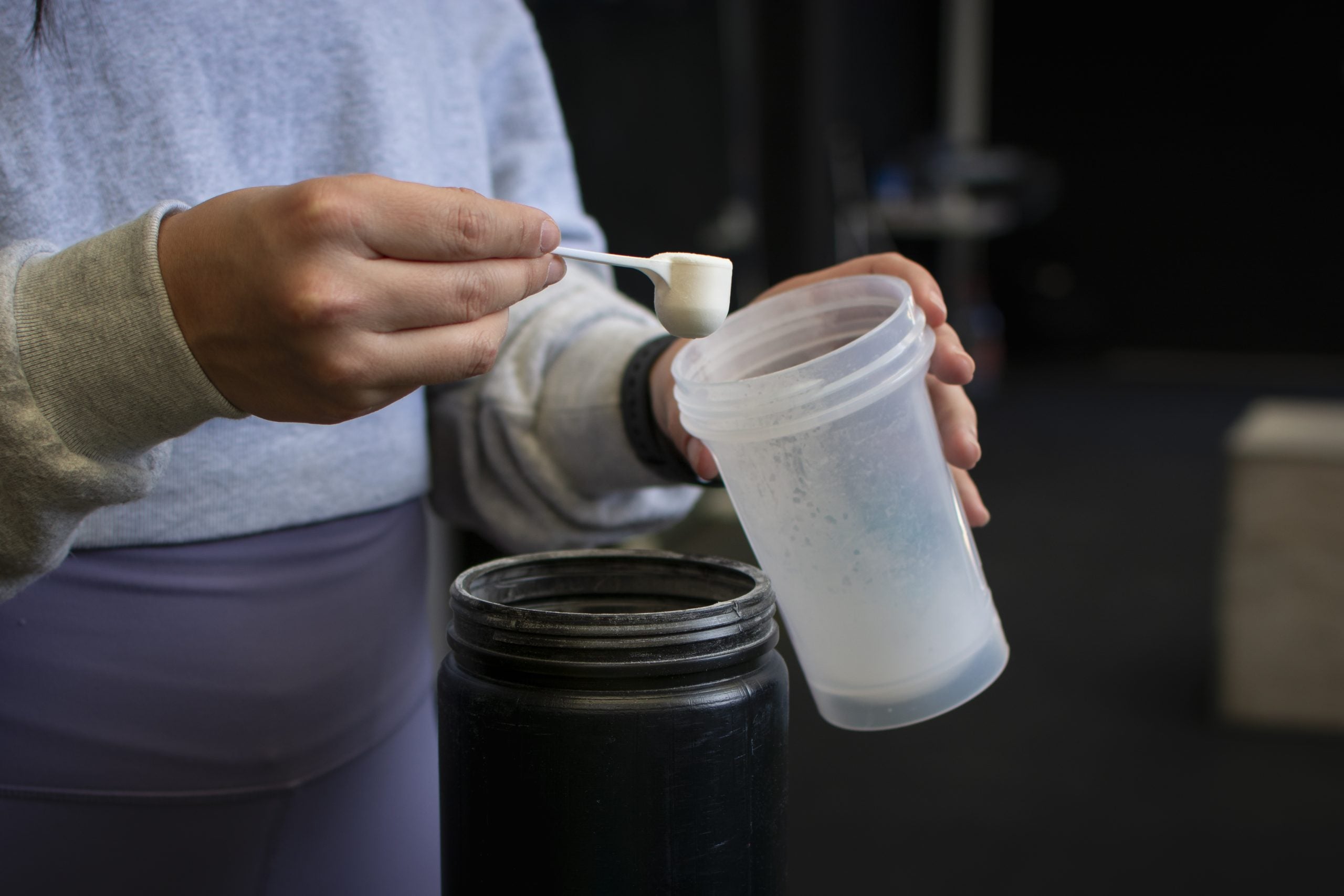
Creatine vs. Other Performance Boosters: Which One is Right for You?
Choosing the right supplements can feel overwhelming. With so many options: creatine, pre-workouts, fat burners, adaptogens, testosterone boosters, and each of them promising a unique set of benefits, how do you know which one truly aligns with your goals? This in-depth guide compares creatine with other popular performance boosters, helping you navigate the advantages, limitations, and best uses for each so you can make informed choices about your supplements.
What is Creatine and How Does It Work?
Creatine is a naturally occurring compound found in muscle cells. It plays a critical role in the production of adenosine triphosphate (ATP), the primary source of energy for high-intensity, short-duration activities like weightlifting or sprinting. When you supplement with creatine, you increase your muscles’ phosphocreatine stores, allowing for more rapid regeneration of ATP during intense exercise and better recovery between sets.
The result? Improved strength, enhanced power output, and noticeable muscle volumization. Learn more about the mechanism, athletic benefits, and science behind creatine supplementation.
Benefits of Creatine
Creatine’s popularity isn’t a marketing gimmick; its effectiveness is one of the most thoroughly researched topics in sports nutrition. Major benefits include:
- Increased muscular strength and endurance
- Enhanced power output and sprint performance
- Faster recovery between reps or sets
- Support for lean muscle mass
- Potential cognitive benefits in high-stress scenarios
If muscle growth is your primary goal, creatine is often considered foundational and features in lists of the best supplements for muscle growth.
How Does Creatine Compare to Pre-Workout Supplements?
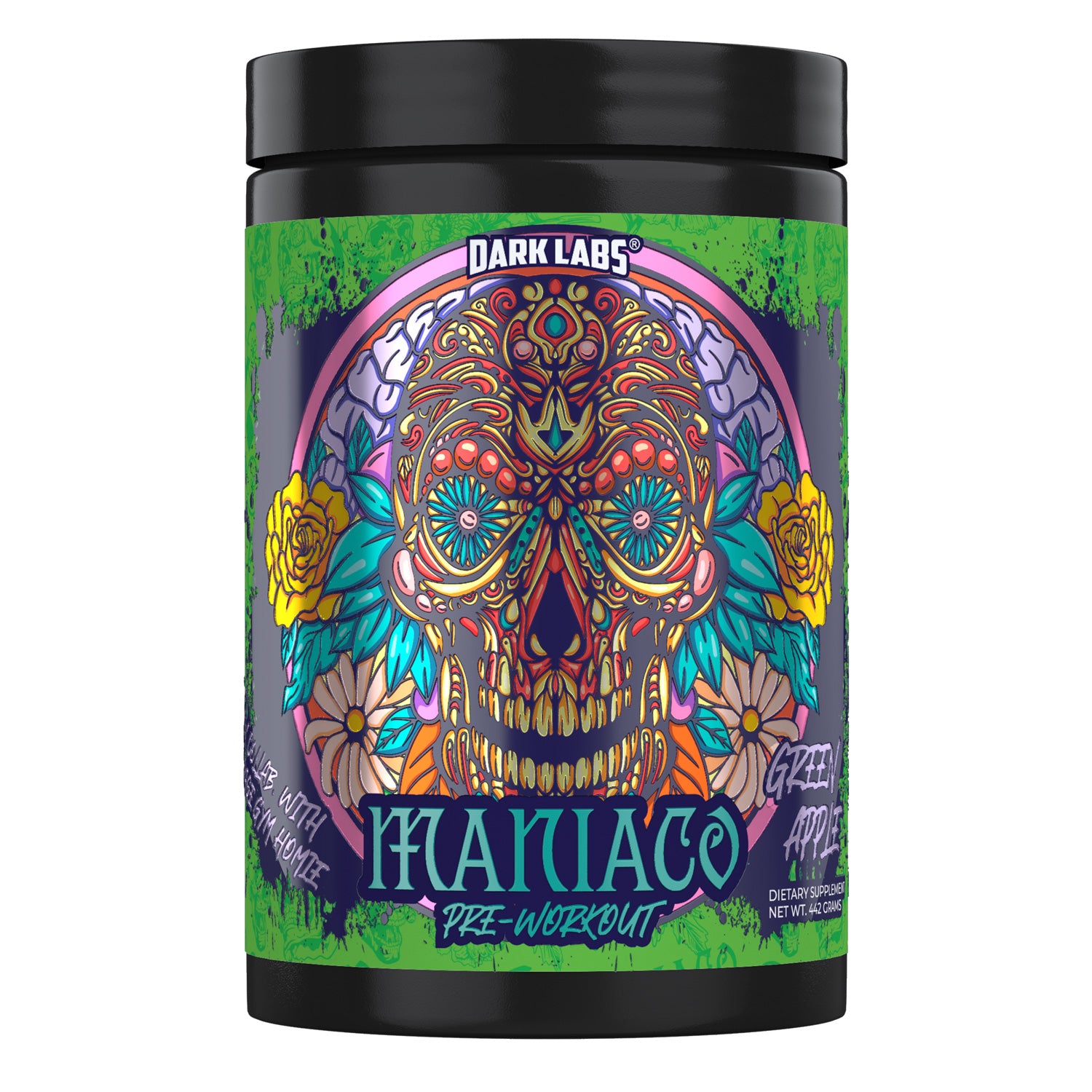
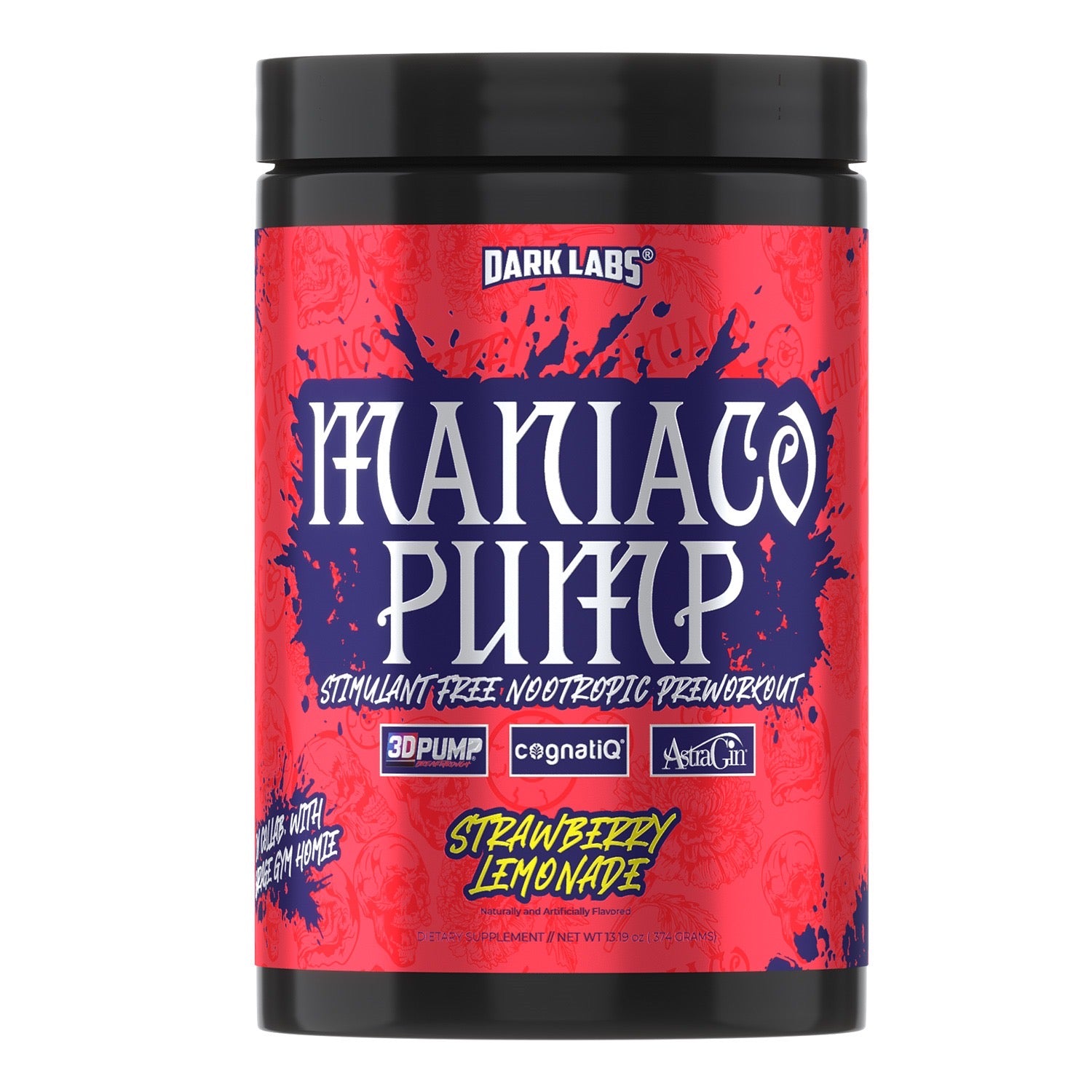
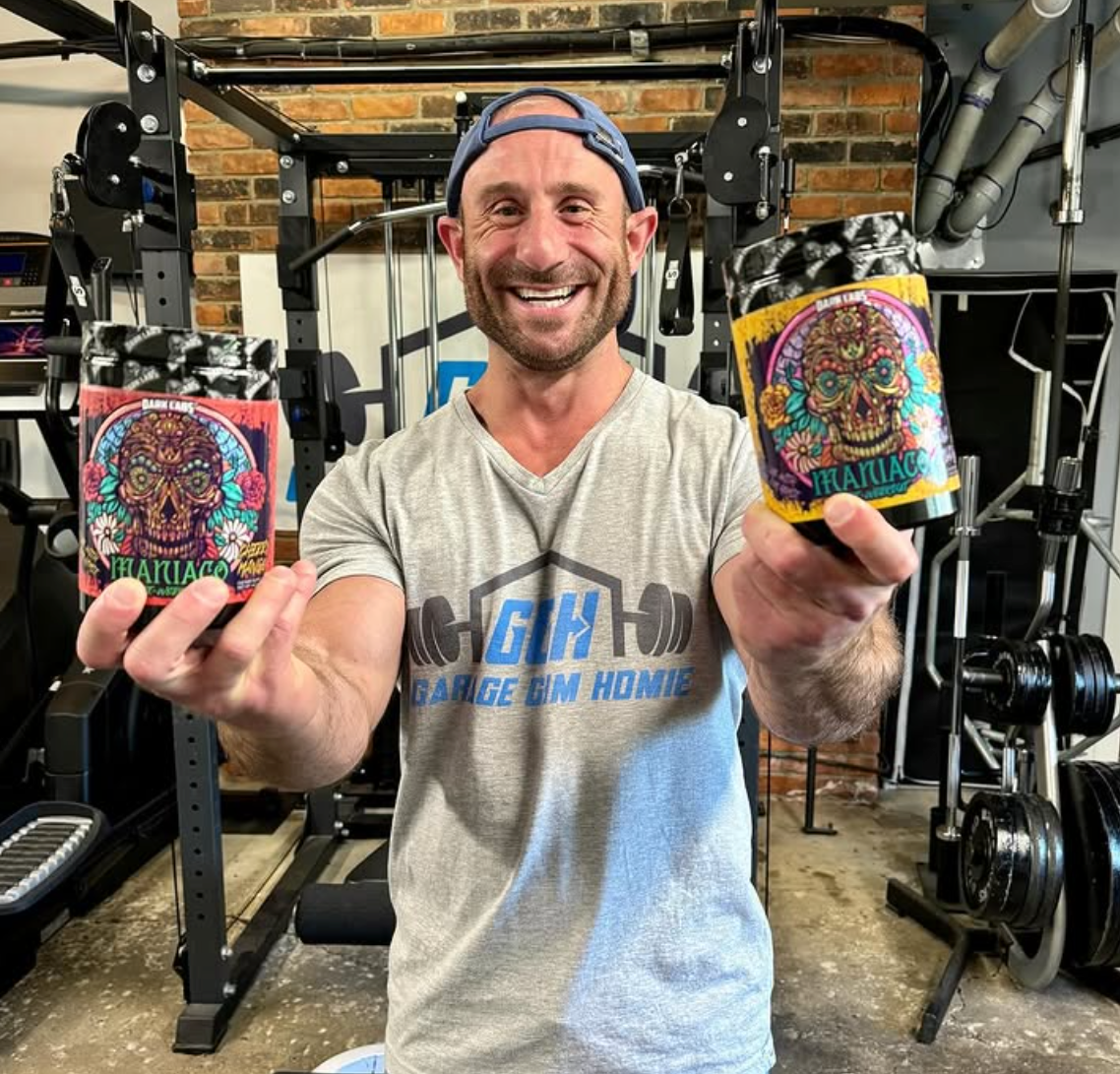
Pre-workout supplements are designed to boost energy, focus, and blood flow before you train. Unlike creatine, which builds up in your system over time, pre-workouts deliver an immediate “kick” through stimulants (usually caffeine) and vasodilators (like citrulline malate or beta-alanine). You’ll often find pre-workouts paired or compared with creatine. Here’s how they differ fundamentally:
- Creatine: Supports ATP production for strength and power; works best with daily use.
- Pre-workouts: Provide short-term increases in energy, focus, and perceived performance; work best when used strategically before challenging workouts.
Combining these two can offer synergistic effects, as pre-workouts bring acute stimulation while creatine builds chronic strength. We suggest reading about the differences between creatine and pre-workout to learn which might suit your regimen (or why combining both could be ideal for you).
Fat Burners, Adaptogens, and Other Performance Enhancers
Creatine and pre-workouts aren’t the only options. Here’s how some other key products fit into the picture:
Fat Burners
Fat burners harness ingredients like caffeine, green tea extract, or capsaicin to enhance metabolism, suppress appetite, or increase energy expenditure. While not directly boosting strength, they may aid in reducing body fat, a common goal in cutting phases or recomposition. To understand what goes into them, read what fat burners are made of.
Adaptogens
Adaptogens such as ashwagandha or rhodiola help your body adapt to stress, improve resilience, and may indirectly aid performance by enhancing recovery and mental focus. Their subtle, systemic benefits are covered in: The Role of Adaptogens in Fitness and Stress Management blog post.
Testosterone Boosters
Testosterone boosters are often chosen by those looking to naturally empower hormonal health, especially as testosterone plays a key role in muscle growth, recovery, and libido. For a closer look, see the benefits of testosterone boosters.
Others
Other ergogenic aids, such as beta-alanine, citrulline malate, and even more advanced compounds like DMAA or DMHA, can be found in high-stimulant pre-workouts. Their potential, mechanism, and safety profiles (difference between DMAA and DMHA) may suit only advanced athletes.
Which Supplement is Right for You?
Choosing the proper performance booster depends on your personal fitness goals, tolerance to stimulants, and training style.
Strength and Muscles
If pure strength and muscle development are your goal, creatine should be your foundation. It’s easy to stack alongside other products, especially if you’re dealing with a progressive overload approach to training. Creatine is versatile, safe for long-term use, and supported by countless studies.
Focus, Energy, and Pump
If you thrive on intensity and are seeking immediate energy, improved focus, or better pumps for a challenging session, try a well-formulated pre-workout supplement. Just be mindful that using pre-workout every day isn’t ideal due to the potential for stimulant adaptation, sleep disruption (see can pre-workout affect your sleep?), or even digestive discomfort. If you find that pre-workout doesn’t seem to work for you, troubleshooting tips can be found here: 5 Reasons Why Your Pre-Workout Supplement Isn’t Working.
Burning Fat
Fat burners might be best reserved for cutting cycles or when dietary progress stalls. They’re not a replacement for a solid nutrition plan, but can offer a metabolism kickstart when used wisely. Before committing, review the evidence on whether fat burners work and how to maximize their benefits in conjunction with diet and exercise.
Hormonal Balance
Adaptogens and testosterone boosters fill more subtle, support-driven roles, addressing stress, hormonal imbalances, or long-term resilience. Adding adaptogens is especially useful during times of high mental or physical stress, or if you’re in a heavy training cycle that requires extra recovery resources.
Overall Health
Suppose you’re interested in overall health, advanced stacking strategies, or a broad spectrum of performance goals. In that case, referencing the best supplements for health and performance guide can expand your supplement knowledge and help you build a custom protocol.
Can You Combine Supplements?
Absolutely, many high-achieving athletes and dedicated gym-goers stack creatine, pre-workout, and sometimes fat burners, adaptogens, and testosterone boosters to maximize their performance and recovery. The trick lies in understanding timing, synergy, and safety. For guidance on how to stack supplements effectively, make sure to tailor your choices to your needs, avoid ingredient overlap, and listen to your body.
Final Thoughts
No single performance booster suits everyone and every goal. Context, lifestyle, and training intensity all play roles in determining what will work best for you. Creatine remains king for raw strength and muscle gains. At the same time, pre-workouts deliver acute focus and energy, fat burners help during dedicated weight loss, and adaptogens and testosterone boosters provide support in the background.
Your journey might start with creatine, or maybe you’ll find that a carefully chosen pre-workout helps you conquer your toughest sessions. Layering in fat burners or adaptogens during new training cycles, or when life outside the gym becomes overwhelming, can also help you maintain sustained progress.
What makes creatine different from pre-workout supplements?
Creatine supports strength and power by replenishing ATP stores, and works best when taken daily over time. Pre-workouts provide an immediate boost in energy, focus, and blood flow through stimulants and vasodilators, making them ideal before intense sessions. Many athletes combine both for chronic strength gains plus acute performance enhancement.
Can creatine help with fat loss like a fat burner?
Not directly. Creatine doesn’t increase calorie burn or suppress appetite. Instead, it helps preserve muscle mass during calorie deficits, which indirectly supports fat loss by maintaining a higher metabolic rate. Fat burners, on the other hand, use ingredients to increase energy expenditure or curb hunger.
Should I use adaptogens or testosterone boosters with creatine?
Yes, in some cases. Adaptogens can reduce stress and improve recovery, complementing creatine’s strength benefits. Testosterone boosters may help if low testosterone is limiting your muscle growth and recovery. These supplements address different aspects of performance and can be part of a strategic stack when used correctly.
Can I combine creatine, pre-workout, and fat burners safely?
Yes, many people stack these supplements, but you should avoid excessive stimulant intake and overlapping ingredients. Creatine can be taken daily, while pre-workouts and fat burners should be timed strategically to avoid sleep disruption and overstimulation. Always adjust dosages based on tolerance and goals.
Read more

Achieving fitness goals requires a careful balance of physical exertion, recovery, nutrition, and mental well-being. One often overlooked but important factor affecting progress is stress. The rel...
Beta-alanine is celebrated for its ability to improve muscular endurance and delay fatigue. It is widely used by athletes, bodybuilders, and fitness enthusiasts alike. Yet, an intriguing and somet...