





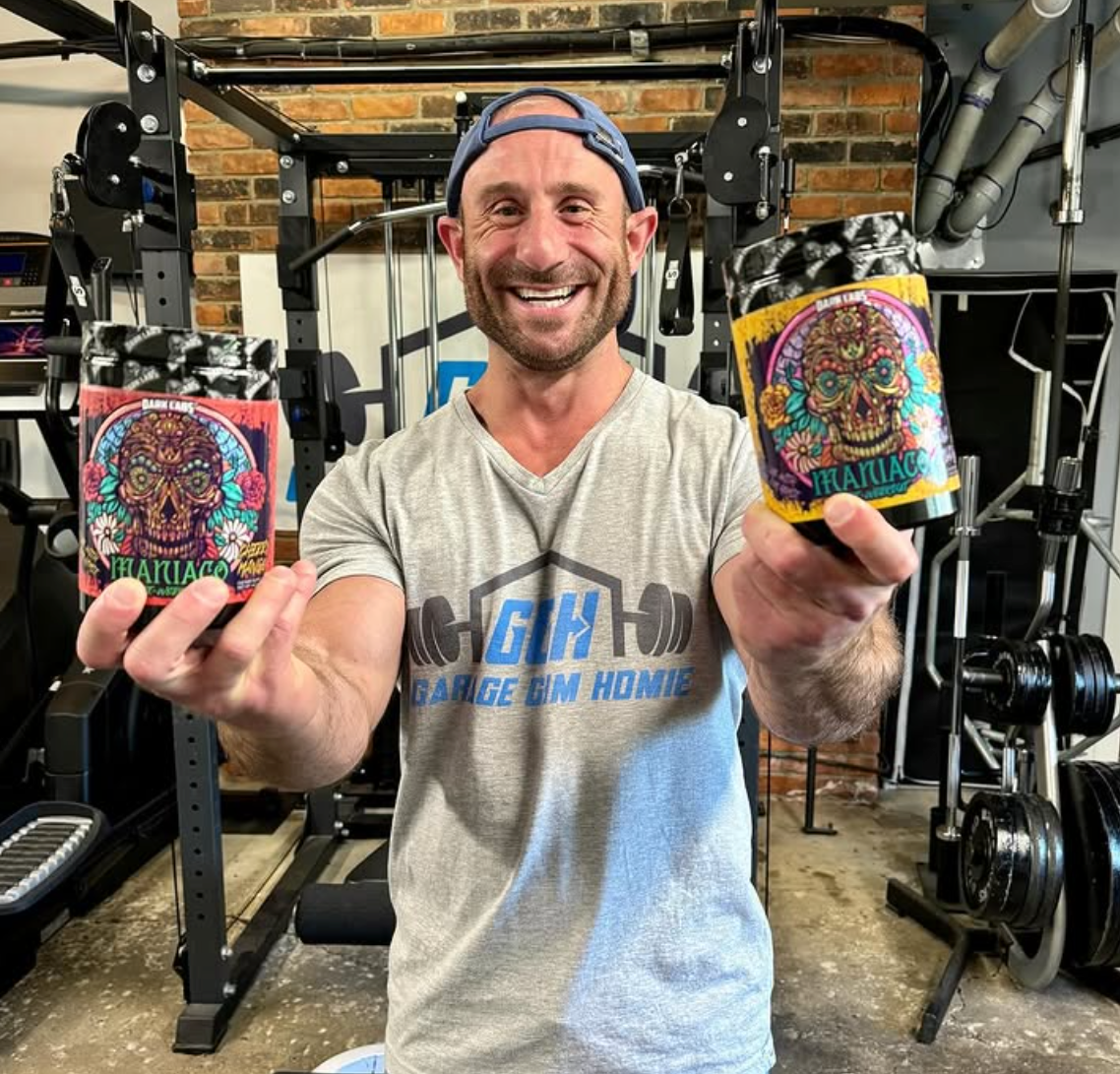

Creatine 101: What Is It and What Does It Do?
What Is Creatine?
Creatine is a compound in our bodies stored mainly in our muscles (though it might also be found in our brains). It takes part in the ATP (adenosine triphosphate) production process, hence providing energy to your cells. Where do we get natural creatine from? The main source of creatine is our diet. We can get the substance from a number of foods, including:- almonds,
- beef,
- broccoli,
- brown rice,
- dairy products,
- fish,
- pork,
- poultry,
- pumpkin seeds,
- quinoa,
- sesame seeds,
- spinach,
- walnuts.

What Does Creatine Do?
Knowing what creatine is, you might be wondering what it does in practice? After all, saying that it participates in energy production and delivery to the cells is pretty vague. Let’s look at the effects of creatine from a more practical perspective – its impact on workouts. How does creatine work to improve your training sessions at the gym? Here are some examples.- Strength and endurance – creatine provides you with more energy during workouts, allowing you to engage in harder, longer training sessions. As such, it’s perfect for both strength and endurance athletes.
- Muscle growth – creatine is also one of the best supplements for muscle growth. It stimulates cell hydration, making the muscles more “full.” This also causes a significant reduction in muscle cramps.
- Muscle recovery – finally, creatine speeds up muscle recovery, the process of healing the micro-tears that occur during a workout.
- Focus and cognition – creatine might increase your focus and help you with cognitive tasks in general.
- Skeletal decline – this substance can also be used to counteract age-related skeletal decline.
- kidney damage,
- liver damage,
- kidney stones,
- bloating,
- digestive concerns.
How Much Creatine Should You Take? Dosage and Intake
Let’s say you’re not in any of the groups that shouldn’t take creatine, you’re thrilled about its benefits, and you want to add it to your supplementation – how do you do it? We explain this in detail in our article on how to take creatine, but here’s all the info you need in a nutshell:- The time of day does not matter.
- The intake should be divided into three phases:
- Loading (1 week) – about 20 grams of creatine per day.
- Maintenance (4-6 weeks) – about 5 grams of creatine per day.
- Rest (2-4 weeks) – no creatine supplementation.

Can You Mix Creatine with Other Supplements?
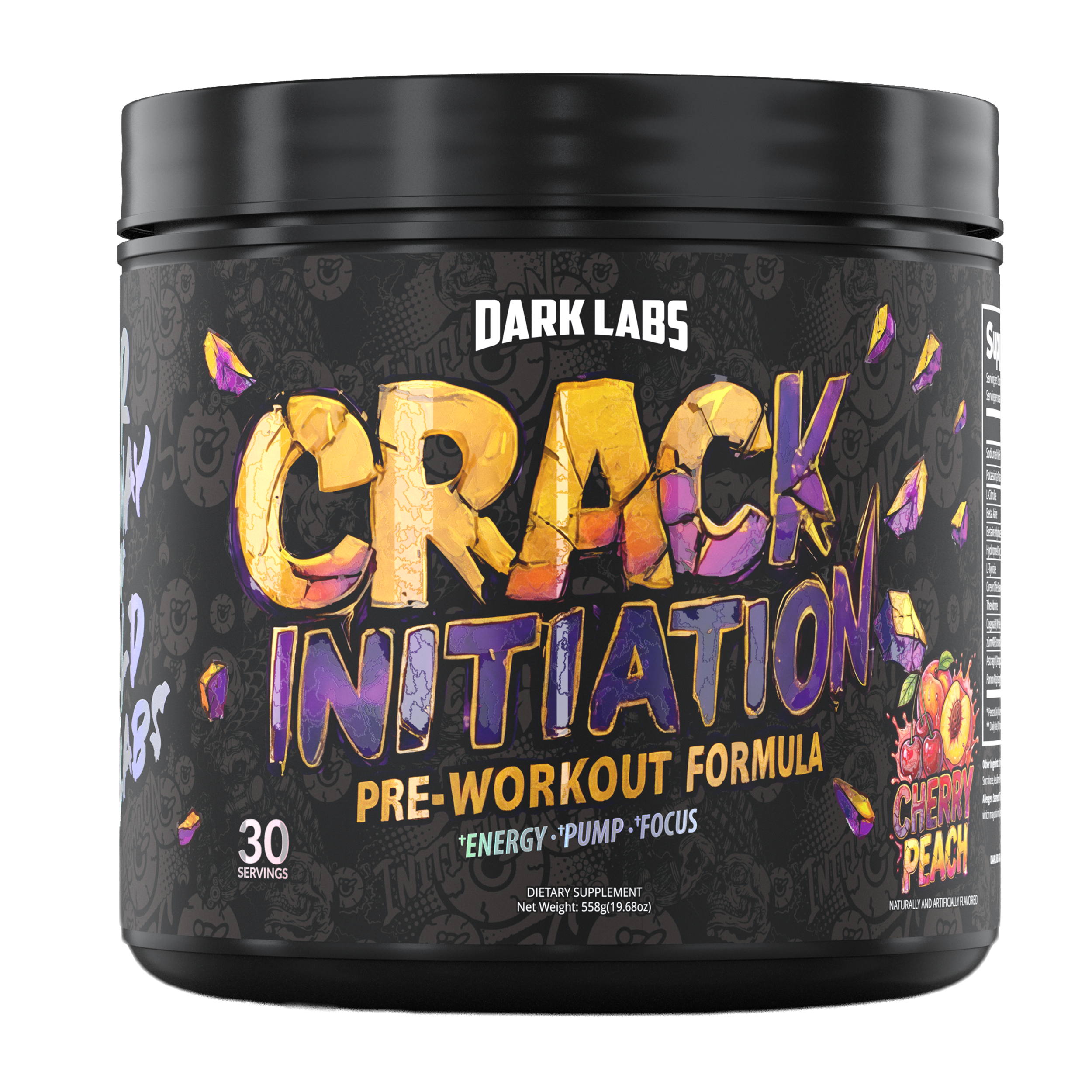
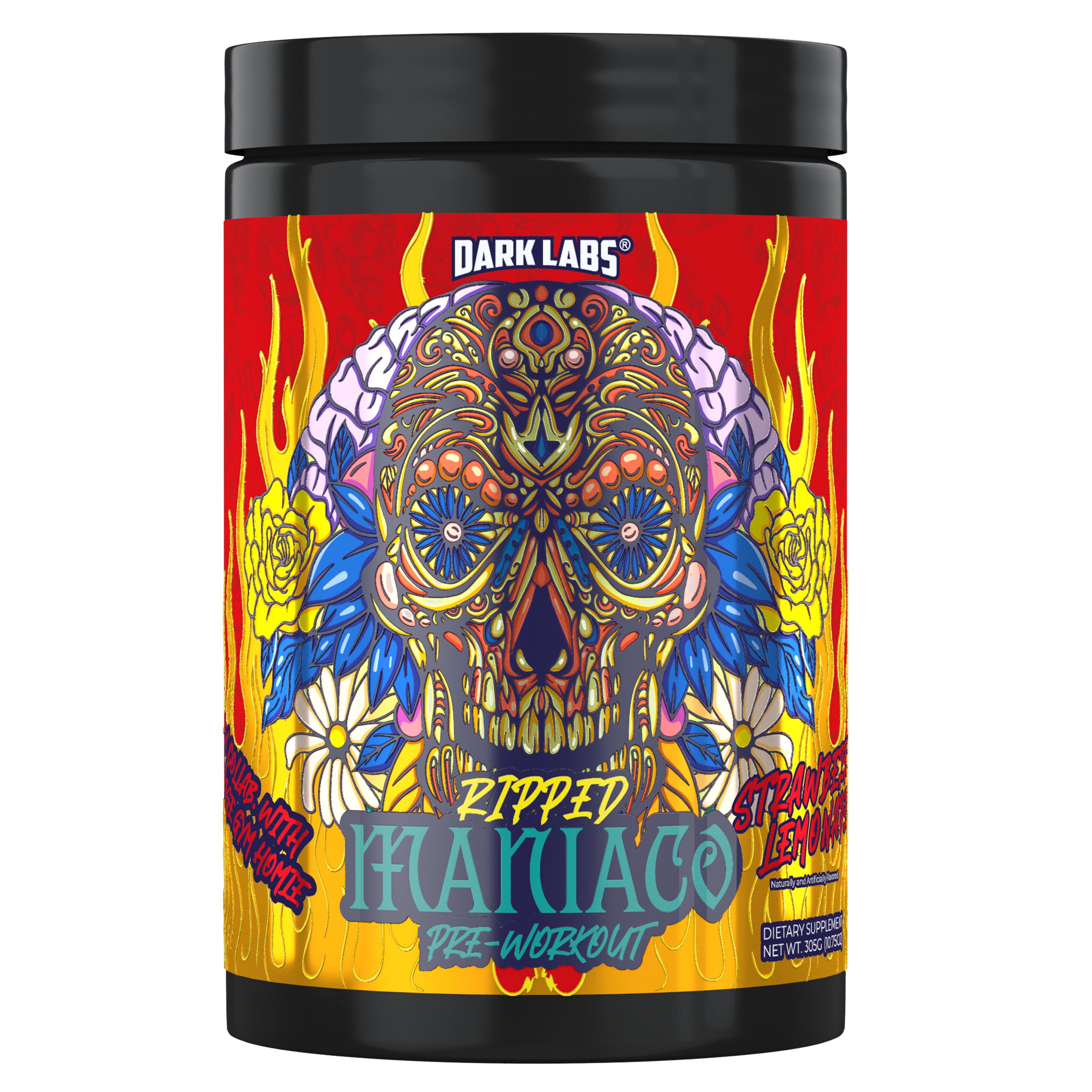
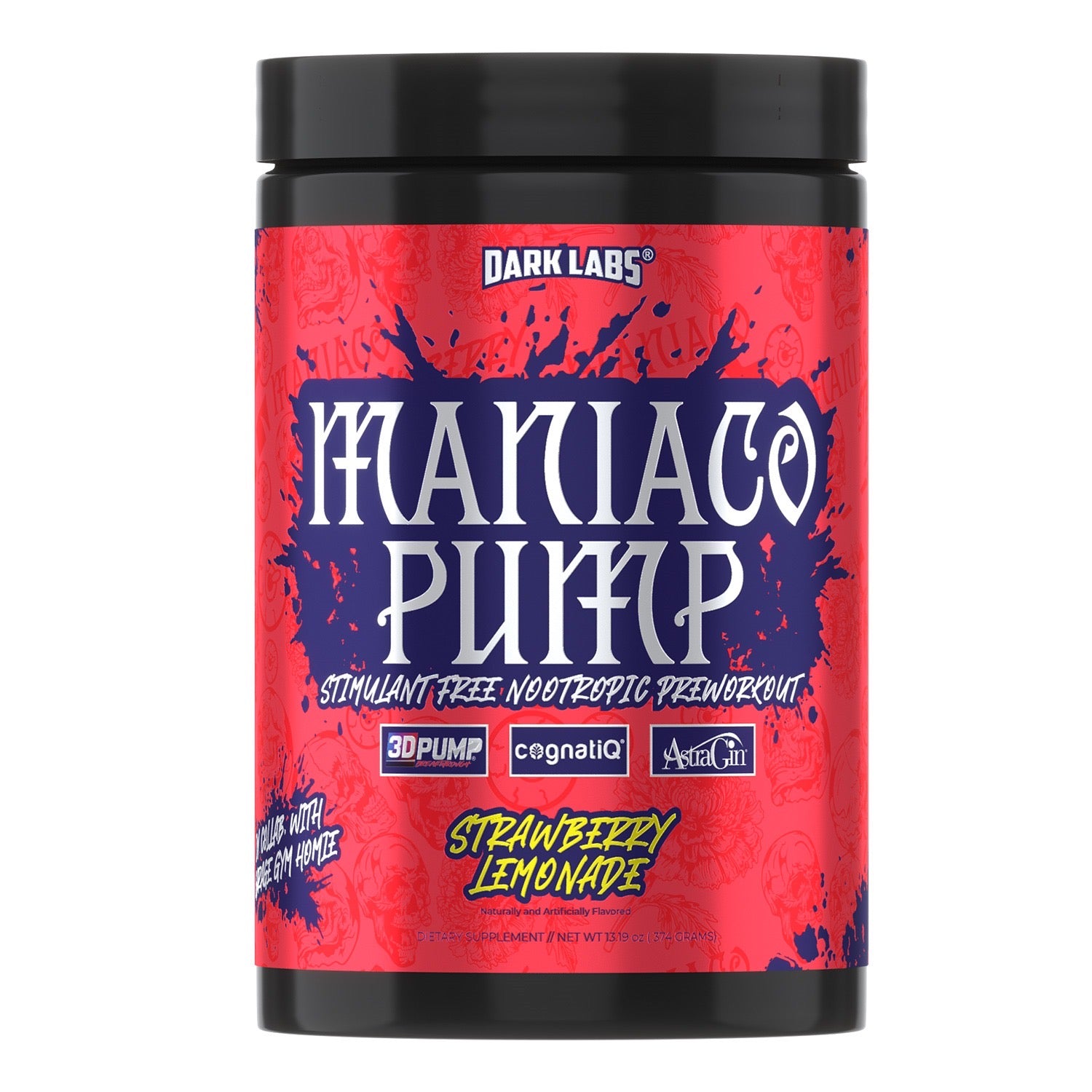
Is it fine to mix creatine with other sports supplements, like pre-workouts or testosterone boosters? Typically, yes! However, it’s not always simple. While your regular supplements shouldn’t have any extra effects when combined with creatine, they… might contain this substance in this formula. In such cases, you have to pay attention to the ingredients list, to ensure that you don’t take too much creatine in. But apart from that, you can freely add creatine to your supplement stack, optimizing your workout supplementation to the fullest.Where to Buy Creatine?
Finally, there’s just one more thing that we need to discuss: where to buy creatine? The answer is pretty simple: at Dark Labs! Shop in our store and discover high-quality creatine, along with tens of other supplements, such as pre-workouts, fat burners, testosterone boosters and general health supplements. You can even get some of our Dark Labs merch, and get through your workouts in style. So, what are you waiting for? See what we’ve got on offer and get all the supplements you need to make your training as efficient as possible!The Takeaway
What is creatine? It’s a substance our body uses to produce ATP, a compound that is turned into energy by our cells. Small amounts of creatine can be produced in our bodies, while we acquire a bit more of it by eating certain foods. But, this is not the maximum that we can use up. To achieve the higher level, you will usually need special creatine supplements. How does creatine work and why do you need it? Due to its impact on muscles, creatine helps with any type of training, whether endurance- or strength-focused. It will also boost your muscle regeneration and accelerate their growth. You can get high-quality creatine at Dark Labs, so don’t wait – check out our offers and order your supplements now! Did you like this article? Then we also recommend reading our other posts about creatine:- Can You Mix Creatine with Pre-workout?
- Creatine vs. Pre-Workout: Which Is Better Based On Your Goals
What is creatine?
Creatine is a naturally occurring compound primarily found in muscle cells, participating in ATP production to provide energy to cells
What does creatine do?
Creatine enhances workout performance by providing more energy, promoting muscle growth, reducing muscle cramps, and speeding up muscle recovery.
What are the natural sources of creatine?
Natural sources of creatine include almonds, beef, broccoli, brown rice, dairy products, fish, pork, poultry, pumpkin seeds, quinoa, sesame seeds, spinach, and walnuts.
Read more

Is spot fat reduction a myth? Most probably, yes. While there is a theory that you can reduce the amount of fat in certain parts of your body, this would require you to meet certain conditions and ...
When should you take creatine? There are two approaches to this matter: according to the first one, you should take creatine before your training, with similar timing to pre-workouts; according to ...