






How often should you take pre-workouts?
Pre-workouts are a popular tool for enhancing your training sessions. However, to unlock their full potential without drawbacks, understanding the right usage frequency and timing is crucial. It’s not just about when you take them before a workout, but also how often you incorporate them into your weekly routine. Similar to coffee or energy drinks, overusing pre-workout supplements can lead to unwanted side effects like overstimulation and insomnia. So, how often should you take pre-workouts? Let's dive in!
What Exactly Are Pre-Workouts?
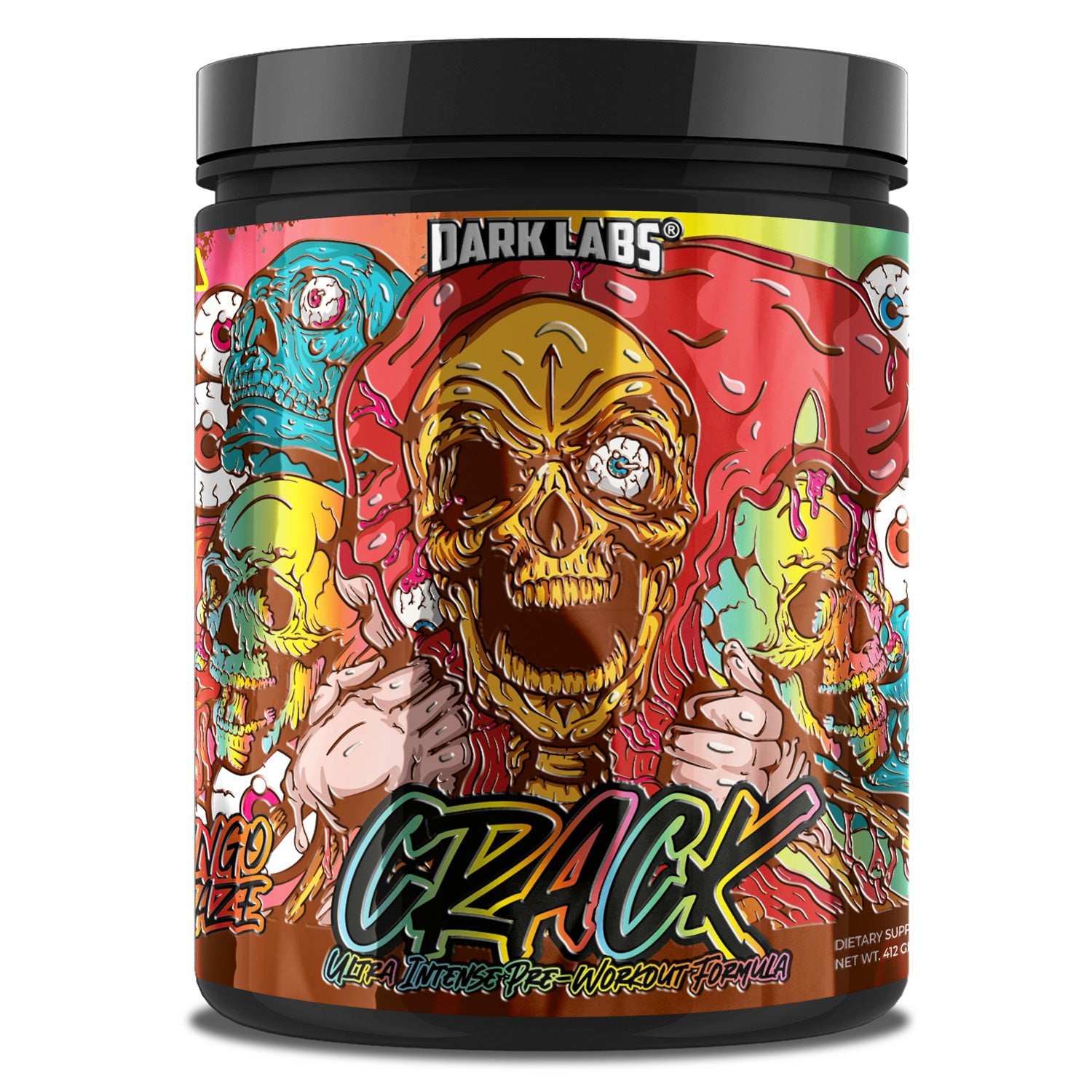
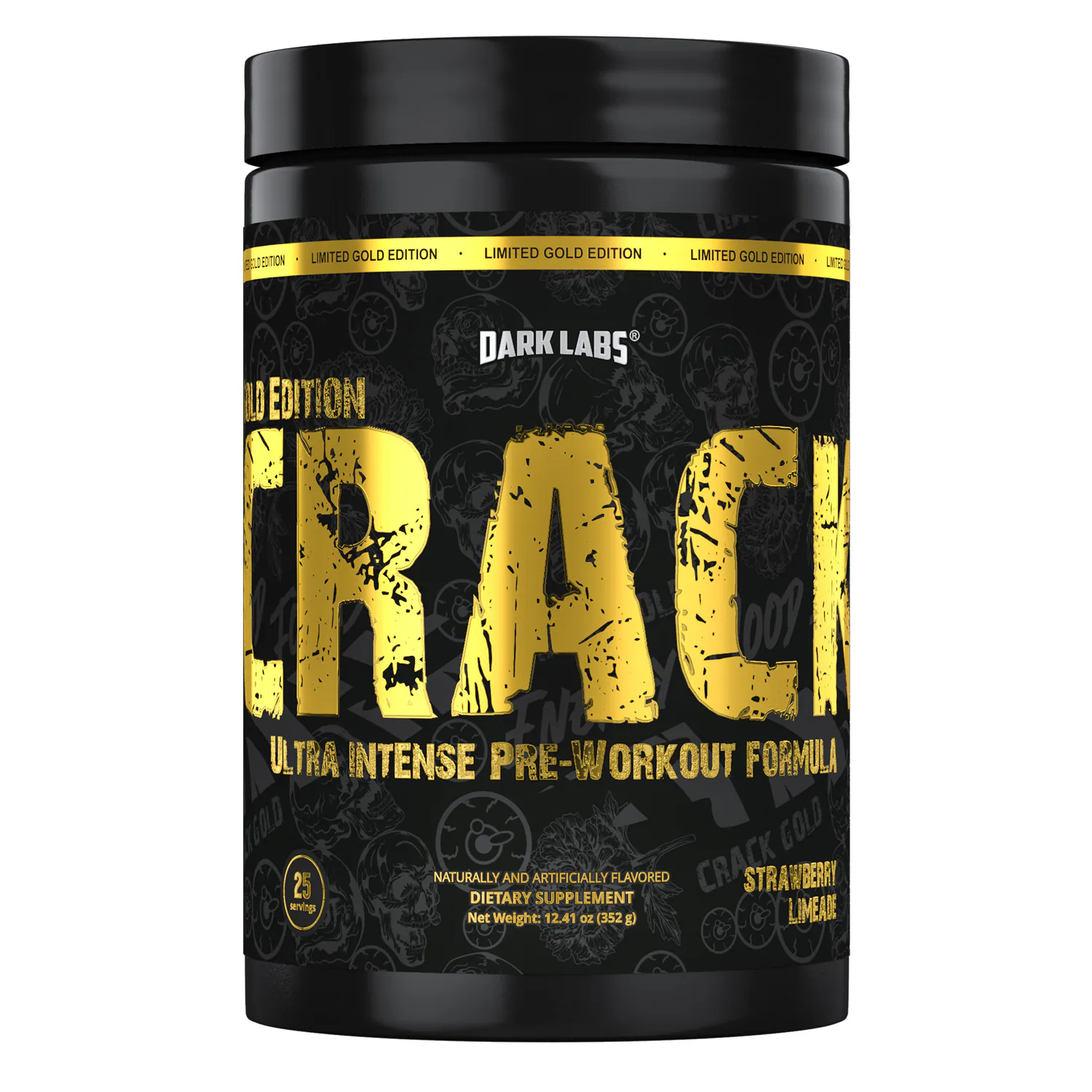
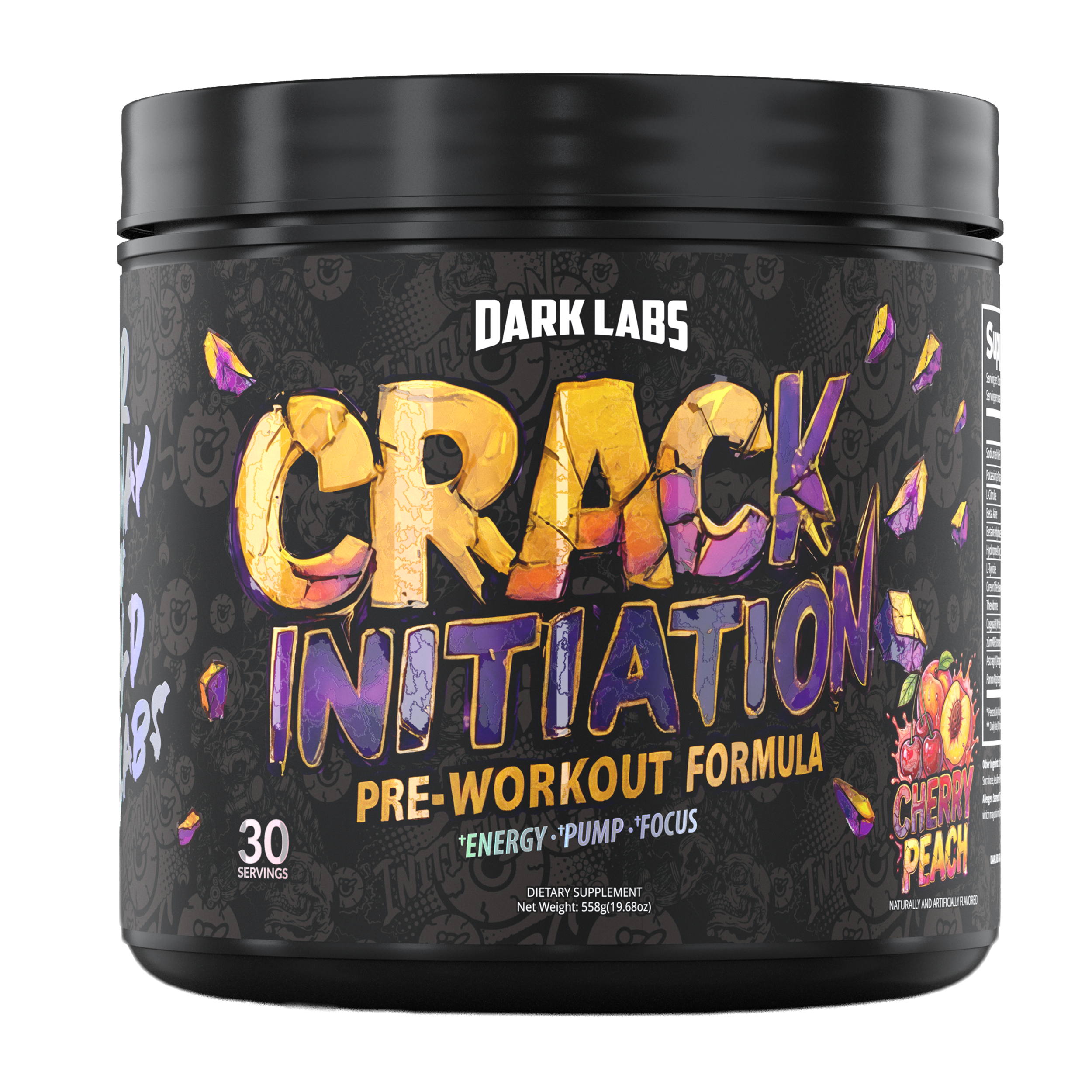
Before we explore the "how often" question, let's ensure we're on the same page about what pre-workouts are. Pre-workouts are multi-ingredient dietary formulas designed to boost your energy levels, sharpen your focus, and reduce the feeling of fatigue during exercise. These supplements can come in various forms, including drinks, capsules, or powders.
For optimal results, they should typically be consumed 30-60 minutes before your training session. This timing allows the active ingredients, such as caffeine, beta-alanine, and citrulline, to be absorbed and start working. Their effects, while potent, are generally short-lived, meaning if your timing is right, you'll experience the benefits primarily during your workout, not lingering uncomfortably afterward.
How Often Should I Take Pre-Workouts?
The ideal frequency for taking pre-workout supplements isn't one-size-fits-all. It depends on several factors, including your training intensity and schedule, your individual tolerance to stimulants, and the specific ingredients in your chosen supplement. Here’s a breakdown of key considerations to help you find your sweet spot:
Limit Usage to 3-4 Times Per Week
This is a commonly recommended guideline to maintain the supplement's effectiveness. Using pre-workouts selectively, for your most intense or demanding workouts, helps prevent your body from building up a tolerance to its active ingredients, especially stimulants like caffeine.
Avoid Daily Consumption (Usually)
While some individuals with high tolerance or those using lower-stimulant formulas might tolerate daily use, for many, it can lead to diminished effects over time. Daily use increases the risk of stimulant tolerance, potentially leading to a dependency where you feel you need it for every workout. It can also increase the likelihood of side effects like jitters, anxiety, digestive issues, or disrupted sleep.
Consider Cycling Your Pre-Workout
To combat tolerance, particularly to caffeine, many users benefit from "cycling" their pre-workout. This means taking a planned break from the supplement (e.g., for 2-4 weeks) after a period of consistent use (e.g., 6-8 weeks). This break allows your body to reset its sensitivity, making the pre-workout more effective when you reintroduce it. During "off" periods, you might consider a stimulant-free pre-workout.
Listen to Your Body's Response
This is paramount. If you're new to pre-workouts, start with a smaller dose than recommended on the label to assess your tolerance. Gradually adjust as needed, but never exceed the product's stated maximum dosage. Pay attention to how you feel during and after your workouts, and note any adverse effects.
Follow Product-Specific Guidelines
Always read and adhere to the instructions and warnings provided on the supplement label. Manufacturers provide these guidelines based on the specific formulation and ingredient concentrations.
Be Mindful of Other Stimulant Intake
If you consume other sources of stimulants like coffee, tea, or energy drinks, factor this into your pre-workout decision. Combining multiple stimulant sources can easily lead to overstimulation, increasing the risk of negative side effects like increased heart rate, anxiety, and insomnia. Aim to keep your total daily caffeine intake from all sources below recommended limits (often cited around 400mg for healthy adults, but individual tolerance varies).
Not Necessary for Every Workout
Pre-workouts are best reserved for high-intensity training, endurance sessions, or days when you genuinely need an extra push. They are generally not needed for lower-intensity activities like yoga, Pilates, or light cardio.
The Link Between Pre-Workout Timing, Training, and Goals
Naturally, your pre-workout intake will align with your training schedule. If you train intensely three times a week, that might be how often you use a pre-workout. However, if your workout intensity varies, save the pre-workout for your most challenging sessions where the enhanced energy, focus, and endurance will be most beneficial.
Why Should You Consider Pre-Workouts?
When used correctly, pre-workouts can significantly improve your training experience. They can help you:
- Push Harder: By boosting energy and delaying fatigue, they enable more intensive exercise.
- Enhance Focus: Increased concentration means less distraction (like checking your phone between sets) and better attention to technique.
- Achieve Specific Goals: Different pre-workout formulas may offer additional benefits. Some contain ingredients that support fat burning, while others might include appetite suppressants or nootropics for enhanced motivation and mental clarity. Research various types to find one that aligns with your fitness objectives.
- Consider Stimulant-Free Options: If you train late in the evening, are sensitive to caffeine, or are cycling off stimulants, stimulant-free pre-workouts are an excellent alternative. These products often focus on ingredients that enhance blood flow (for better "pumps"), endurance, and focus without relying on stimulants, thus avoiding sleep disturbances or jitters.
The Takeaway: Smart Supplementation for Optimal Results
Pre-workout supplements can be powerful allies in your fitness journey, helping you optimize training sessions and achieve your goals more effectively. However, smart usage is key.
- Generally, aim for 3-4 times per week, primarily before your most challenging workouts.
- Take it 30-60 minutes before exercise.
- Avoid daily use to prevent tolerance and minimize potential side effects.
- Consider cycling your stimulant-based pre-workouts.
- Always monitor your body’s response and adjust your intake accordingly.
- Heed product guidelines and be mindful of your total daily stimulant consumption.
- Explore stimulant-free options, especially for late workouts or if you're sensitive to caffeine.
By following these guidelines, you can harness the benefits of pre-workouts to boost your energy, motivation, and performance, all while prioritizing your health and well-being. If you have any underlying health conditions or concerns, it's always wise to consult with a healthcare professional before adding any new supplement to your regimen.
If you like this article, you might also be interested in: Coffee vs Pre-Workout: Which Is More Energizing?What are pre-workouts?
Pre-workouts are dietary supplements taken before training sessions to boost energy levels, increase concentration, and reduce fatigue. They come in various forms such as drinks, capsules, or powders and are typically consumed 30–45 minutes before workouts for optimal effect.
How often should I take pre-workouts?
The frequency of taking pre-workouts depends on factors such as your training frequency, experience level, the specific pre-workout product you're using, and whether you're combining them with other substances. Generally, pre-workouts should only be taken before training sessions, so the dosage will depend on the number of workouts you have each week.
How does pre-workout timing relate to training frequency?
Pre-workouts should only be taken before training sessions. Therefore, the frequency of your pre-workout usage should align with how often you work out. It's important to remember that the effects of pre-workouts are short-lived, so taking them without a planned training session wouldn't serve a purpose.
Read more

Pre-workouts are popular supplements designed to supercharge your training sessions. When used correctly, they can significantly enhance the effectiveness of your workouts, making them a valuable t...

Fat burners can be a great aid to your weight loss routine. They enhance metabolism, increase energy expenditure and boost fat oxidation during exercising. Many fat burners can also be taken on res...