




How Stress Impacts Your Training: Understanding the Connection Between Stress, Cortisol, and Gym Performance
Achieving fitness goals requires a careful balance of physical exertion, recovery, nutrition, and mental well-being. One often overlooked but important factor affecting progress is stress. The relationship between stress and gym performance is complex, involving hormonal fluctuations that can either enhance or delay your results. The most important factor in this dynamic is cortisol, often called the “stress hormone,” which governs how your body reacts to physical and psychological stress. Understanding how cortisol influences training can empower you to manage stress effectively, optimise your workouts, and maximise your gains.
What Happens to Your Body Under Stress?
Stress triggers the activation of the hypothalamic-pituitary-adrenal (HPA) axis, a key hormonal system responsible for releasing cortisol from the adrenal glands. In acute settings, cortisol is beneficial: it mobilises energy stores, sharpens focus, and supports the body’s fight-or-flight reactions. However, when stress becomes chronic, due to factors such as work pressure, personal challenges, insufficient sleep, or overtraining, cortisol levels remain elevated for prolonged periods. This persistent elevation can impair performance, recovery, and body composition over time.
Cortisol’s Impact on Muscle Growth and Recovery
Cortisol is a catabolic hormone that breaks down muscle protein into amino acids to generate glucose for energy during stressful situations. While this process is essential for short-term survival, constant high cortisol levels create a hostile environment for muscle building. Cortisol’s catabolic effects directly counter the anabolic effects of hormones like testosterone and insulin-like growth factor-1 (IGF-1), leading to reduced hypertrophy and, in some cases, muscle loss.
In addition to breaking down muscle tissue, cortisol slows down recovery by disrupting sleep quality and reducing growth hormone secretion. Adequate sleep is crucial for muscle repair and growth, and elevated cortisol can impair this process, causing prolonged fatigue and a higher risk of injury. Recognizing the importance of sleep for your muscle-building goals is fundamental. Poor sleep due to stress can dramatically slow progress in the gym.
Furthermore, cortisol influences your body’s energy regulation. Chronic elevations can increase blood sugar levels and promote fat storage, especially around the abdominal area. This change in body composition can be discouraging, as unwanted fat accumulation counters the lean muscle gains sought through training. Understanding the role of fat burners and how they assist with metabolism may help to offset some of these adverse effects.
Stress and Training Cycle
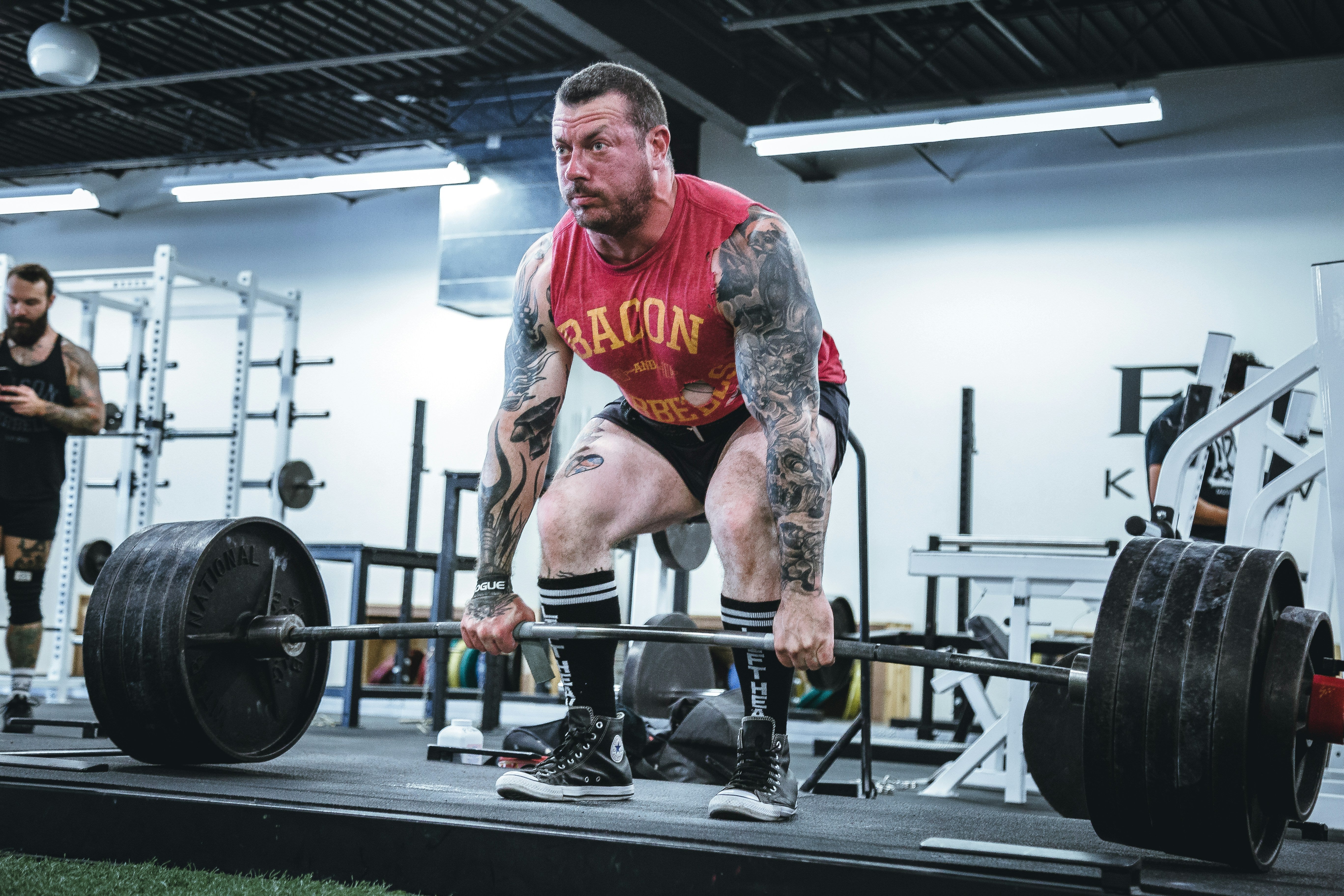
Exercise is a stressor that raises cortisol levels, but this temporary increase is part of standard adaptation mechanisms that ultimately promote improved fitness. The problem arises when life stressors combine with intense training without sufficient recovery, pushing cortisol levels to unhealthy heights. This leads to overtraining syndrome, characterized by chronic fatigue, diminished performance, hormonal imbalance, and increased risk of illness. Learn more about the importance of rest days..
This creates a feedback loop: increased stress reduces motivation, focus, and energy, making it harder to adhere to training sessions. On the other hand, skipping workouts or exercising inefficiently may amplify stress responses and significantly slow progress. Many athletes struggle with this cycle, unaware that they are sabotaging gains due to unmanaged stress and chronic cortisol elevation.
In these scenarios, rest days become critical. The body requires time to recover hormonally and physically. Incorporating proper rest allows cortisol levels to normalize and enables muscle repair and growth. Understanding the importance of rest days can help you break out of training plateaus and improve overall performance.
Strategies to Manage Stress and Optimize Training
Effectively managing stress to optimize gym results involves multiple strategies that support hormonal balance and recovery:
Regulate Sleep Patterns
Since poor sleep raises cortisol, aiming for 7-9 hours of quality rest each night is essential. Avoid stimulants such as caffeine or certain pre-workout ingredients late in the day to prevent interference with sleep quality. Insights into how pre-workouts impact sleep may guide you in making better choices for your supplementation routine.
If you supplement, be aware of how pre-workouts can affect your sleep.
Add Adaptogens to Your Routine
Adaptogenic herbs like ashwagandha and rhodiola rosea have gained popularity for their ability to modulate the stress response. These natural compounds can reduce cortisol production, enhance endurance, improve recovery times, and provide mental clarity. Learning more about how adaptogens support fitness and stress management reveals their powerful role in holistic training programs. Learn more about the role of adaptogens in fitness and stress management.
Balance Training Intensity and Recovery
Avoid consistently pushing high-intensity workouts without adequate rest periods. Alternating between harder and lighter days or including active recovery helps prevent hormonal imbalances and reduces the risk of overtraining. Recognizing rest days as an essential part of a training regimen improves long-term adherence and prevents burnout.
Use Stimulants Judiciously
While stimulants in pre-workout formulas can boost energy and focus temporarily, they often increase cortisol and adrenaline. Excessive or mistimed use can exacerbate stress and impair recovery. Being aware of how pre-workouts affect your nervous system enables better timing and selection to sustain training benefits without adding undue stress.
Optimize Nutrition and Supplementation
Eating a nutrient-dense diet rich in antioxidants, omega-3 fatty acids, and high-quality protein supports hormonal balance and reduces inflammation. Certain supplements have been shown to aid muscle repair, modulate stress, and improve recovery. Considering the best supplements designed for muscle growth can complement your overall strategy to combat cortisol’s adverse effects.
Read more about the best supplements for muscle growth to suit your goals.
Cortisol vs. Testosterone
An essential aspect of managing stress in training is understanding how cortisol affects testosterone levels. High cortisol frequently leads to suppressed testosterone, which impairs muscle growth, strength gains, and workout performance. When cortisol dominates, anabolic hormones take a backseat, halting progress despite consistent training.
For some athletes, supplementing with testosterone boosters offers a means to balance hormones safely, helping reignite muscle-building pathways and support recovery. These supplements are becoming increasingly popular among those seeking to counteract the catabolic effects of stress. Exploring the benefits of testosterone boosters can provide insights into how hormonal support fits within a comprehensive training plan.
Mental and Emotional Factors
Stress not only affects hormones and physical recovery, but it also profoundly influences mental resilience and focus. Chronic stress elevates cortisol in the brain, impairing neurotransmitter balance and increasing feelings of anxiety and fatigue. This lack of mental sharpness translates into poorer gym performance, difficulty adhering to routines, and reduced motivation.
Mindfulness practices such as meditation, deep breathing, and yoga have been shown to lower cortisol levels and improve mental clarity. Incorporating these strategies alongside physical training can optimize both psychological and physical outcomes. Additionally, adaptogens may contribute to mental focus, allowing you to push through mental barriers during workouts.
Long-Term Outlook: Making Stress Management Part of Training
Stress management should be viewed as an integral part of any fitness journey. Sustainable progress requires balancing training intensity with recovery and supporting your body through proper nutrition, supplementation, and lifestyle choices. When stress is controlled, cortisol levels stabilize, allowing your body to build muscle, burn fat, and improve endurance efficiently.Educating yourself on how to balance stress and training, through better sleep habits, adaptogen supplementation, balanced workout programming, and mindful stimulant use, will make all the difference in unlocking your full potential.
How does stress affect gym performance?
Stress triggers the release of cortisol, a hormone that can be both helpful and harmful. Short-term increases boost focus and energy, but chronic high levels break down muscle, slow recovery, and promote fat storage. This makes it harder to build muscle, lose fat, and maintain consistent workout performance.
What are signs that stress is harming my training progress?
Common signs include constant fatigue, slower recovery, frequent injuries, poor sleep, loss of motivation, and plateauing strength or muscle gains. These can indicate that high cortisol levels from chronic stress or overtraining are interfering with your performance and recovery.
How can I reduce cortisol to improve recovery?
Focus on 7–9 hours of quality sleep, include rest days in your training plan, balance high-intensity and lighter workouts, manage caffeine and stimulant use, eat a nutrient-rich diet, and consider adaptogens like ashwagandha or rhodiola. Mindfulness practices such as meditation or deep breathing can also lower cortisol and improve mental clarity.
Is all cortisol bad for muscle growth?
No. Short-term cortisol spikes during exercise are part of the body’s adaptation process and can enhance performance. The problem arises when cortisol stays elevated for long periods due to chronic stress, poor sleep, or overtraining. In that state, it becomes catabolic, breaking down muscle tissue and hindering recovery.
Read more
There are numerous discussions online about the debate between pre-workout supplements and protein powders. You might have been wondering which one is actually better: pre-workout vs protein powde...

Choosing the right supplements can feel overwhelming. With so many options: creatine, pre-workouts, fat burners, adaptogens, testosterone boosters, and each of them promising a unique set of benef...