





How to boost testosterone?
Testosterone is a crucial hormone for everyone – low levels can be detrimental to both men and women. Men, in particular, might also benefit from optimized testosterone, as the hormone can significantly improve workout efficiency and muscle growth. There are times when you might need or want to improve the amount of testosterone in your body. But what's the best way to approach this?
There are many effective strategies to encourage your body's testosterone production. You can explore lifestyle adjustments, dietary changes, targeted exercises, and even supplements. So, how can you effectively and safely increase your testosterone levels? Let's dive in!
What is Testosterone, and When Should You Consider Increasing Its Level?
Before we discuss boosting strategies, let's clarify what testosterone is. It's a primary sex hormone, though vital for all genders, responsible for muscle growth, bone density, libido, mood regulation, and body hair. As such, both a significant surplus and a deficiency of testosterone can lead to negative health effects.
Testosterone is primarily produced in the male testicles and, in smaller amounts, in female ovaries and the adrenal glands of both sexes. Men generally have substantially higher testosterone levels than women. A rapid increase in testosterone production in males occurs during puberty, with levels typically remaining high until early to mid-adulthood, after which a gradual decline is common. Women also produce testosterone, and it plays a key role in their health, though their levels are naturally lower. Maintaining a healthy balance is essential for everyone, as both men and women can suffer from the consequences of levels that are too low or too high.
Several side effects can indicate a testosterone deficiency. If you're experiencing the issues below, you might start thinking about how to boost your testosterone:
- Decreased sex drive (libido)
- Persistent fatigue and less energy
- Unexplained weight gain, particularly increased body fat
- Mood swings, irritability, or symptoms of depression
- Poor concentration and "brain fog"
- Thinner and weaker bones (osteoporosis risk)
- Reduced muscle mass
A testosterone deficiency can stem from various causes. Beyond an unhealthy lifestyle, many chronic diseases can hinder testosterone production. Certain medications might also have an impact. Thus, you might want to consider checking your testosterone levels if you:
- Suffer from conditions like type 2 diabetes or obesity
- Have a history of alcohol misuse
- Are undergoing or have undergone chemotherapy
- Have experienced a testicular injury or have testicular cancer
- Have too much body fat (obesity is strongly linked to low testosterone)
- Suffer from other chronic illnesses or pituitary gland disorders
- Experience chronic high stress or sleep deprivation
On the other hand, artificially boosting testosterone to excessively high levels is also an undesired situation. While optimal testosterone supports workout results and muscle mass, overdoing it, especially with synthetic hormones, might lead to:
- Irritation, aggression, and significant mood swings
- Headaches
- Insomnia
- Acne and oily skin
- Excessive body hair (in some) or male pattern baldness (in genetically predisposed individuals)
- A decrease in sperm quality and testicular shrinkage (with external T use)
- Potential cardiovascular issues
Thus, it is crucial to aim for a healthy, balanced testosterone level. A slight, natural boost might contribute significantly to your health and workout efficiency, but pushing it too far can backfire. If you suspect low testosterone, consulting with a doctor or healthcare professional is the crucial first step for proper assessment and guidance.
How to Increase Testosterone Naturally?
There are many potent natural ways to boost testosterone. It's often possible to significantly increase your hormone production just by introducing a few key lifestyle changes – the way we live has a powerful impact on our endocrine system. So, how can you boost testosterone naturally?
-
Exercise Regularly and Strategically: Workouts, particularly those incorporating resistance training and high-intensity movements, are proven to increase testosterone levels, at least temporarily, and contribute to long-term hormonal health.
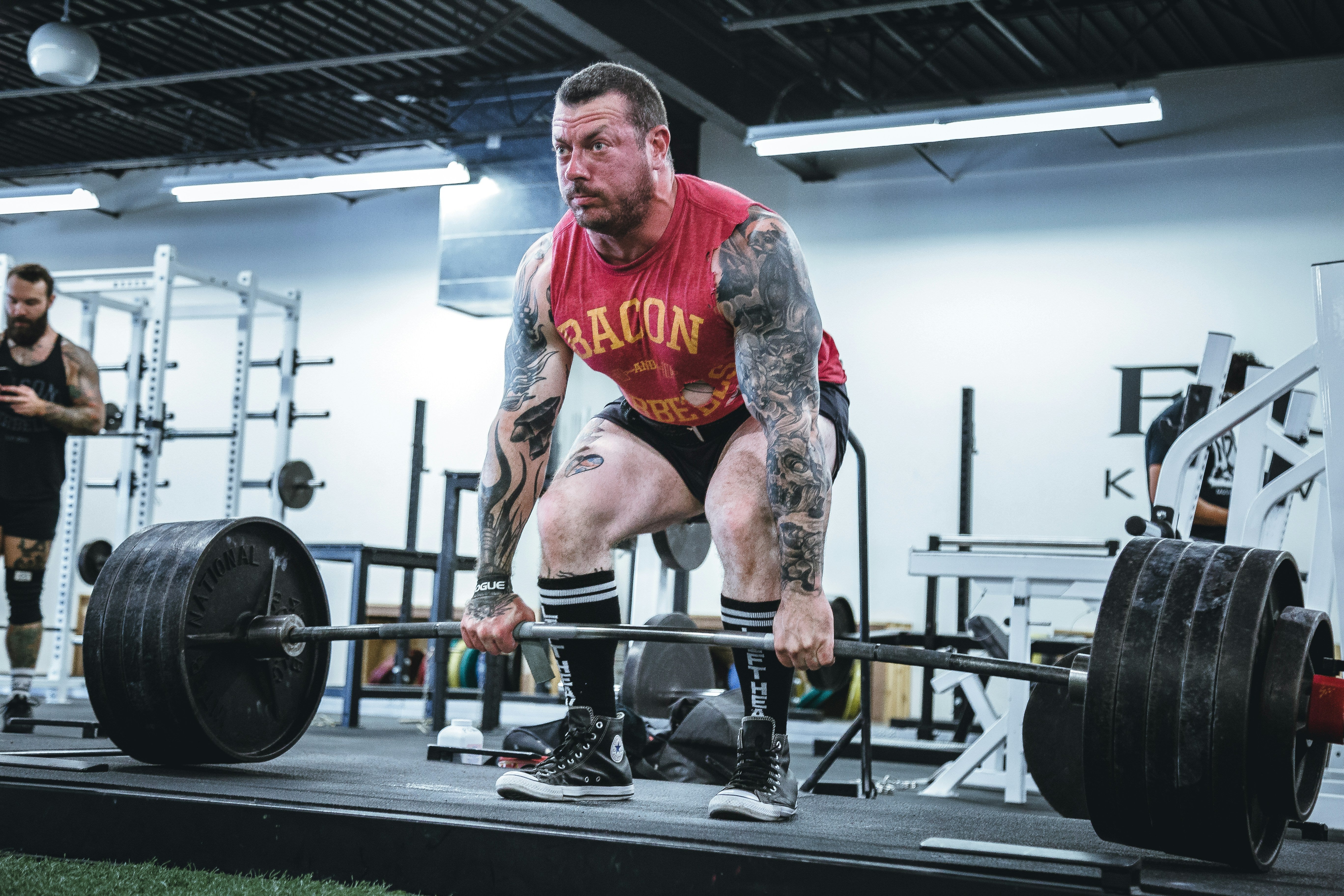
- Resistance Training (Weightlifting): This is particularly effective in stimulating testosterone production. Focus on compound exercises like squats, deadlifts, bench presses, and overhead presses.
- High-Intensity Interval Training (HIIT): Short bursts of intense exercise followed by brief recovery periods can also be beneficial for boosting testosterone and improving overall fitness.
- Regular Physical Activity: Engage in a variety of exercises you enjoy, including cardio, to maintain overall health, manage weight, and potentially improve testosterone levels. Just bear in mind that chronic overtraining without adequate recovery might cause a drop in your testosterone production – listen to your body and don't push yourself to the absolute limit every single day if optimizing hormones is a primary goal.
-
Adopt a Healthy, Hormone-Supportive Diet: What you eat plays a fundamental role in hormone production.
- Eat a Balanced Diet: Focus on whole, unprocessed foods.
- Healthy Fats: Include sources of monounsaturated and saturated fats like olive oil, avocados, nuts (almonds, Brazil nuts), seeds (chia, pumpkin), and fatty fish. Cholesterol is a precursor to testosterone.
- Lean Protein: Ensure adequate protein intake from sources like fish, poultry, lean meats, eggs, and legumes. Protein is essential for building and repairing muscle tissue, which supports healthy testosterone.
-
Sufficient Zinc and Vitamin D: These micronutrients are strongly linked to testosterone levels.
- Zinc: Good sources include oysters, beef, poultry, pumpkin seeds, and lentils.
- Vitamin D: Get it from sunlight exposure, fatty fish (salmon, mackerel), egg yolks, and fortified foods. Many people are deficient, and supplementation might be necessary after testing.
- Magnesium: Magnesium-rich foods like spinach, almonds, cashews, black beans, and avocados may also contribute to higher testosterone levels.
- Avoid Excessive Sugar and Processed Foods: High sugar intake can lead to insulin resistance and increased fat storage, both of which can lower testosterone.
-
Prioritize Lifestyle Factors:
- Get Quality Sleep: Prioritize getting 7-9 hours of high-quality sleep per night. Much of your daily testosterone release occurs during sleep, especially the REM phase. Sleep deprivation can significantly decrease testosterone levels. Keep a healthy sleeping routine.
- Manage Stress: Chronic stress elevates cortisol levels. Persistently high cortisol can negatively impact testosterone production. Practice stress-reducing techniques like meditation, deep breathing exercises, yoga, spending time in nature, or engaging in hobbies.
- Maintain a Healthy Weight: Obesity is strongly linked to lower testosterone levels. Excess body fat, particularly visceral fat, contains more aromatase enzyme, which converts testosterone into estrogen. Losing excess weight can lead to a significant increase in testosterone.
- Limit or Quit Smoking and Excessive Alcohol Consumption: Using tobacco products has been linked to lower testosterone levels. Excessive alcohol intake can also directly lower testosterone and disrupt sleep quality.
-
Minimize Exposure to Estrogen-like Chemicals: Some chemicals found in plastics (like BPA) and personal care products can act as endocrine disruptors, potentially mimicking estrogen in the body and negatively impacting testosterone production. Try to use glass or stainless steel containers for food and water, and be mindful of ingredients in personal care products.
How to Increase Your Testosterone Levels with Supplements?
If you're looking for potentially faster or more targeted support, you might consider testosterone boosters – supplements aiming to support your body's natural testosterone production. These substances may work more directly than lifestyle changes alone for some individuals. Additionally, some testosterone boosters are formulated with specific aims in mind – for instance, supporting muscle growth or energy levels.
Popular supplements often include:
- Vitamin D: If you are deficient (which a blood test can confirm), supplementation can help restore healthy levels.
- Zinc: Similar to Vitamin D, supplementing can help if you have a dietary deficiency.
- Ashwagandha: This adaptogenic herb has been shown in some studies to reduce cortisol and may help boost testosterone levels, particularly in stressed individuals.
- D-Aspartic Acid: Some research suggests it may temporarily increase testosterone in sedentary men or those with low levels, but more research is needed, and effects may not be sustained.
- Fenugreek: Another herb that some studies suggest may support healthy testosterone levels.
A similar situation occurs with pre-workout supplements. While their primary aim is to increase training efficiency, some might contain ingredients like creatine or specific amino acids that indirectly support the hormonal environment conducive to testosterone production.
Important Note on Supplements: It's absolutely crucial to consult with a healthcare professional before taking any supplements, especially those marketed as testosterone boosters. They can:
- Assess if you genuinely have low testosterone and if supplements are appropriate.
- Help determine the underlying cause of any deficiency.
- Recommend reputable products and appropriate dosages.
- Check for potential interactions with medications or existing health conditions. Self-prescribing can be ineffective or even harmful.
Be Aware of Medication Effects
Some medications can affect testosterone levels. If you are on long-term medication and concerned about your testosterone, discuss this with your doctor. Never alter prescribed medication dosages without medical advice.
The Takeaway
Keeping your testosterone at an optimal level is important – it lets you live a healthy, energetic life. A proper amount of testosterone will support a good mood, a healthy libido, bone strength, and the ability to build and maintain muscle. In some cases, such as suffering from chronic diseases, managing high stress, or due to natural aging, it's possible to experience lower testosterone.
You can naturally increase your testosterone levels by eating a nutrient-dense diet, engaging in regular and appropriate exercise, prioritizing sleep, managing stress, and avoiding habits like smoking and excessive alcohol. For more targeted support, certain supplements might be considered, but always under the guidance of a healthcare professional.
Remember, the goal is balance. Your testosterone level should not become too high, as this can also lead to undesirable side effects like headaches, mood swings, or even insomnia.
You might also like: The benefits of testosterone boosters for men’s health and fitness.
What is testosterone and when should you increase its level?
Testosterone is a hormone produced in human bodies that is responsible for muscle growth, libido, and body hair. Both men and women can benefit from maintaining optimal testosterone levels. Deficiency or excess of testosterone can have negative effects, so it's important to understand when to increase its level based on symptoms and medical conditions.
What are the common symptoms of testosterone deficiency?
The common symptoms of testosterone deficiency include decreased sex drive, low energy levels, weight gain, bad moods and depressions, poor concentration, and thinner and weaker bones. If you experience these symptoms and suspect testosterone deficiency, it is advisable to check your testosterone levels and consider boosting it.
How to increase testosterone levels naturally?
There are natural ways to increase testosterone levels. Regular exercise, including heart-rate increasing exercises and resistance training, has been shown to boost testosterone. Adopting a healthy lifestyle by improving sleep quality, maintaining a nutritious diet, managing stress levels, and maintaining an optimal body weight can also contribute to natural testosterone production. Making these lifestyle changes gradually can help increase testosterone levels over time.
Read more

Table of contents: Testosterone boosters – what are they? What are the benefits of taking testosterone boosters? Can I mix testosterone boosters with other supplements? Mixing testosteron...

Pre-workouts are popular supplements designed to supercharge your training sessions. When used correctly, they can significantly enhance the effectiveness of your workouts, making them a valuable t...