

How To Lose Weight Without Losing Muscles?
Many people want to embark on a slimming journey, yet they are afraid of one major drawback – losing their hard-earned muscle mass. After all, it’s not just about getting smaller; it's about reshaping your body composition to be leaner and stronger. Thus, in this article, we will answer one of the most burning questions: how to lose weight without losing muscles. Do you feel that you need this knowledge? Then don’t stop here and keep reading!
Master Your Nutrition: The Cornerstone of Success
What and how much you eat is the single most important factor in preserving muscle while losing fat. You can't out-train a bad diet.
Create a Smart, Moderate Calorie Deficit
To lose fat, you must consume fewer calories than your body burns. However, a drastic cut is a recipe for muscle loss. Your body, starved for energy, will start breaking down muscle tissue for fuel.
- The Goal: Aim for a gradual, sustainable weight loss of 1-2 pounds (about 0.5-1 kg) per week.
- The Method: Create a moderate calorie deficit of 500-750 calories below your daily maintenance level. This encourages your body to use fat stores for energy while providing enough fuel to preserve muscle. Avoid crash diets at all costs.
Prioritize Protein Intake
Protein is your best friend during a fat-loss phase. It's the building block of muscle, and getting enough is non-negotiable for muscle preservation.
- How Much? The science-backed recommendation is to consume 0.7-1.0 grams of protein per pound of your body weight (or 1.6-2.2 grams per kilogram).
-
Why It Works:
- Muscle Repair: Provides the amino acids needed to repair and maintain muscle tissue.
- Satiety: Protein keeps you feeling fuller for longer, making it easier to stick to your calorie deficit.
- Thermic Effect: Your body burns more calories digesting protein compared to fats and carbs.
-
Excellent Lean Protein Sources:
- Chicken and Turkey Breast
- Lean Beef and Pork
- Fish and Seafood (Salmon, Tuna, Cod)
- Eggs and Egg Whites
- Greek Yogurt and Cottage Cheese
- Legumes (Lentils, Beans, Chickpeas)
- Tofu and Tempeh
Carbs Are Your Fuel, Not Your Enemy
Low-carb diets can be effective for weight loss, but eliminating carbs can hurt your performance in the gym and lead to muscle loss. Carbohydrates are the primary energy source for high-intensity exercise.
-
What to Eat: Focus on complex carbohydrates that provide sustained energy.
- Sweet Potatoes
- Brown Rice & Quinoa
- Oats and other Whole Grains
- Whole Wheat Pasta
- Fruits and Vegetables
- Nutrient Timing: Consume a portion of your daily carbs after your workout. This helps replenish the glycogen (stored energy) in your muscles, aiding recovery and signaling muscle preservation.
Train Smart: The Exercise Equation
Your training regimen sends a powerful signal to your body. You need to tell it to burn fat for fuel and keep the muscle.
Emphasize Strength Training
While cardio is great for burning calories, strength training is what tells your body to hold on to muscle. Lifting weights creates a stimulus that says, "This muscle is essential, don't get rid of it!"
- Frequency: Aim for 2-4 strength training sessions per week.
-
Focus on Compound Exercises: These multi-joint movements are highly efficient, working several muscle groups at once and burning more calories. Prioritize exercises like:
- Squats
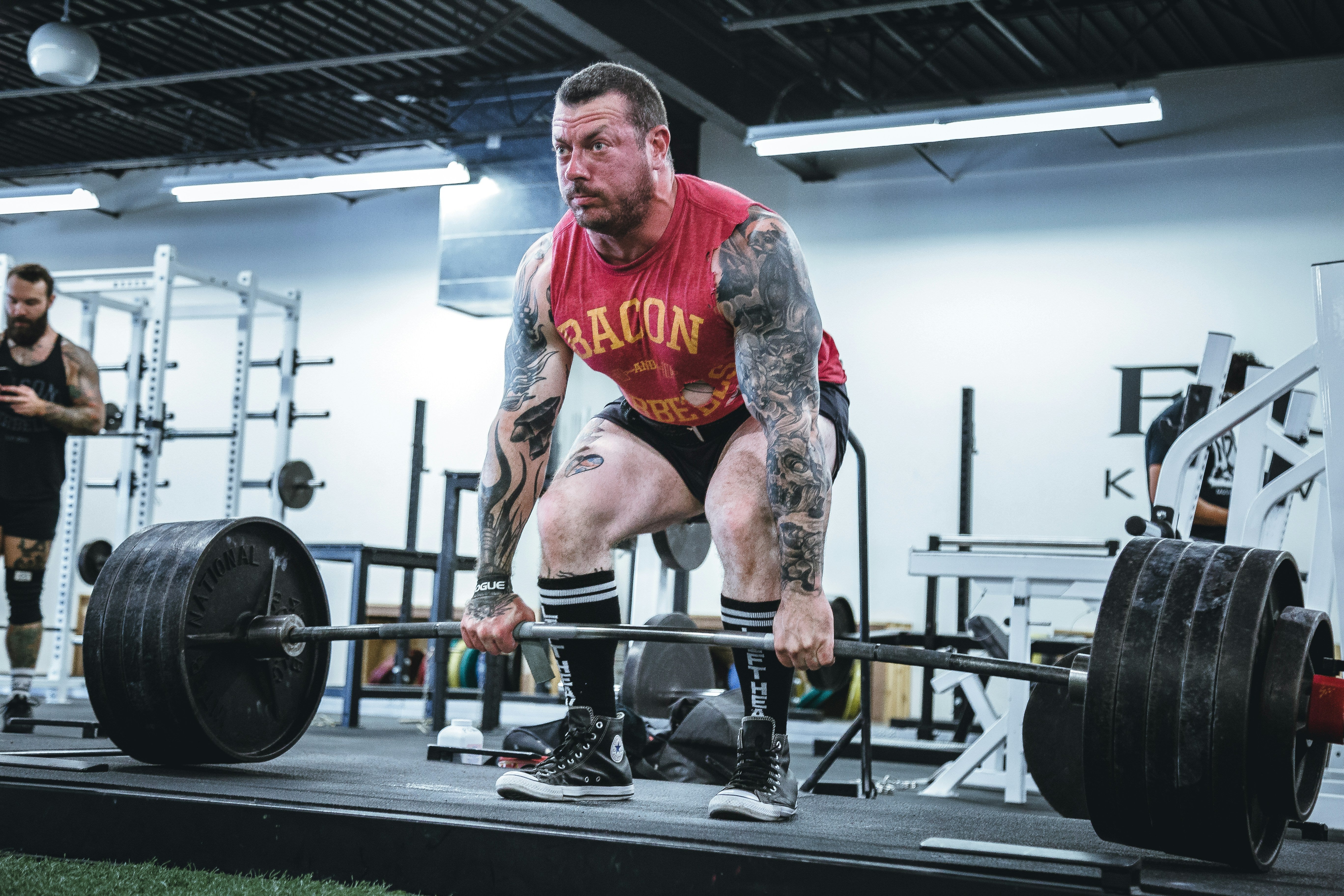
- Deadlifts
- Bench Presses
- Overhead Presses
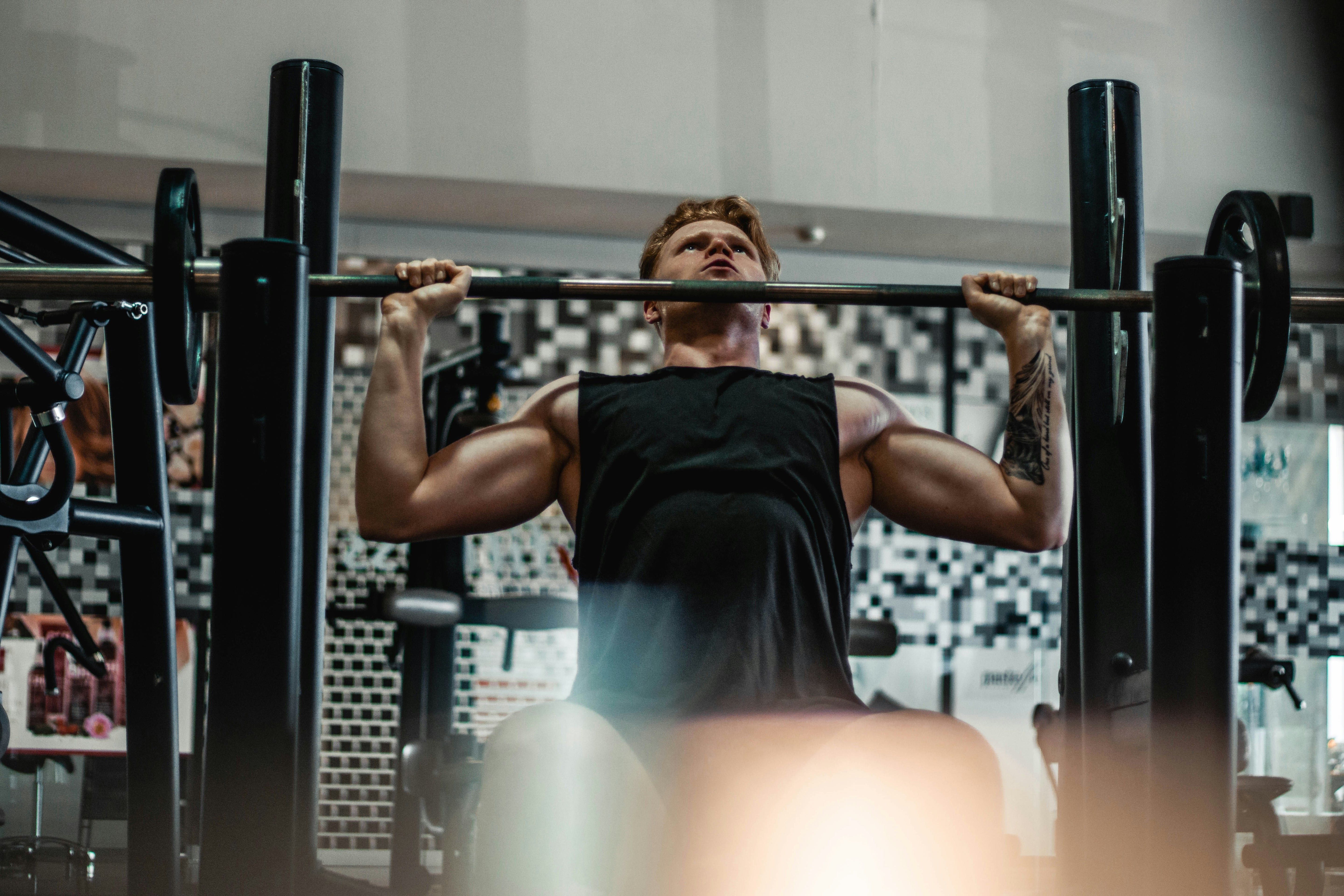
- Rows and Pull-Ups
- Progressive Overload: Strive to gradually increase the weight you lift, the reps you perform, or the quality of your form over time. This continuous challenge is key to maintaining and even building muscle.
Use Cardio as a Tool
Think of cardio as a tool to help you achieve your calorie deficit, not as the primary driver of your fat loss.
- Combine with Strength: The golden rule is to pair cardio with a solid strength training program.
- HIIT (High-Intensity Interval Training): Sessions like sprinting or intense cycling intervals are incredibly time-efficient for burning calories and can boost your metabolism for hours afterward.
- Smart Scheduling: When possible, perform your cardio after your strength training session or on separate days. This ensures you have maximum energy for lifting, which is your top priority for muscle preservation. A 20-30 minute session after lifting is a great starting point.
Maximize Recovery & Lifestyle Habits
Your progress happens when you recover, not when you train. Don't neglect these crucial elements.
Get Enough Quality Sleep
Sleep is when your body repairs muscle and regulates fat-burning hormones.
- The Problem with Poor Sleep: Lack of sleep (less than 7 hours) disrupts hormones like cortisol, ghrelin, and leptin. This can increase your appetite, encourage fat storage, and increase the risk of muscle breakdown.
- The Solution: Aim for 7-9 hours of quality sleep per night. It is as critical as your diet and training.
Stay Hydrated
Water is essential for metabolism, performance, and overall health. Even mild dehydration can negatively impact your strength and energy levels.
- The Goal: Drink at least 2 liters (about 67 ounces) of water daily, and more if you are training intensely or in a hot environment.
Incorporate Rest Days
Your muscles don't grow in the gym; they grow when they rest. Overtraining is a real threat to your progress.
- Listen to Your Body: Don't be afraid to take rest days. They are essential for preventing injury and allowing your nervous system and muscles to recover fully. Aim for at least 1-2 rest days per week, or more depending on your training intensity.
Consider Smart Supplementation
While diet and training are paramount, a few select supplements can provide a helpful edge. Remember, they supplement your efforts, they don't replace them.
- Whey or Plant-Based Protein Powder: A convenient and efficient way to ensure you meet your daily protein targets, especially post-workout.
- Creatine Monohydrate: One of the most researched supplements, creatine is proven to help maintain strength and muscle mass during a calorie deficit, allowing you to train harder.
- Fat Burners: These can offer a slight boost by increasing metabolism and enhancing fat oxidation. However, they are not a magic pill and should only be considered once your diet and training are completely dialed in.
Don't Be Afraid to Ask for Help
If planning your diet and workouts feels overwhelming, consider seeking professional guidance. A personal trainer or a registered dietitian can create a personalized plan to help you start your journey safely and effectively. You can always take the reins once you feel confident enough to continue on your own.
How to Lose Weight Without Losing Muscle - The Takeaway
How do you lose weight without losing muscle? By creating a smart plan and executing it with consistency. The pillars are a moderate calorie deficit, a high-protein diet, a focus on strength training, and a commitment to recovery.
Remember that seeing results takes time. Dropping fat while preserving muscle is a marathon, not a sprint. It requires concentration, dedication, and determination. Good luck!
Did you desire to lose weight? You should read our article: Do Fat Burners Actually Work?
How can I lose body fat without losing muscle?
To lose body fat without losing muscle, follow these steps:
- Maintain a healthy diet with a calorie deficit, focusing on healthy fats, proteins, and carbohydrates.
- Stay hydrated and drink at least 1-2 liters of water per day.
- Include both strength training and cardio exercises in your workout routine.
- Use fat burners as supplements to enhance fat metabolism.
- Get enough sleep to support fat burning and muscle preservation.
- Consider seeking the guidance of a personal trainer for expert advice and planning.
How should I plan my workouts to prevent muscle loss while losing fat?
Combine strength training exercises like weightlifting, bodyweight exercises, or resistance band exercises with cardio workouts like walking, running, or cycling. Warm-up, engage in strength training, and then follow up with 20-30 minutes of cardio during each gym session.
Should I consider using supplements to aid in fat loss?
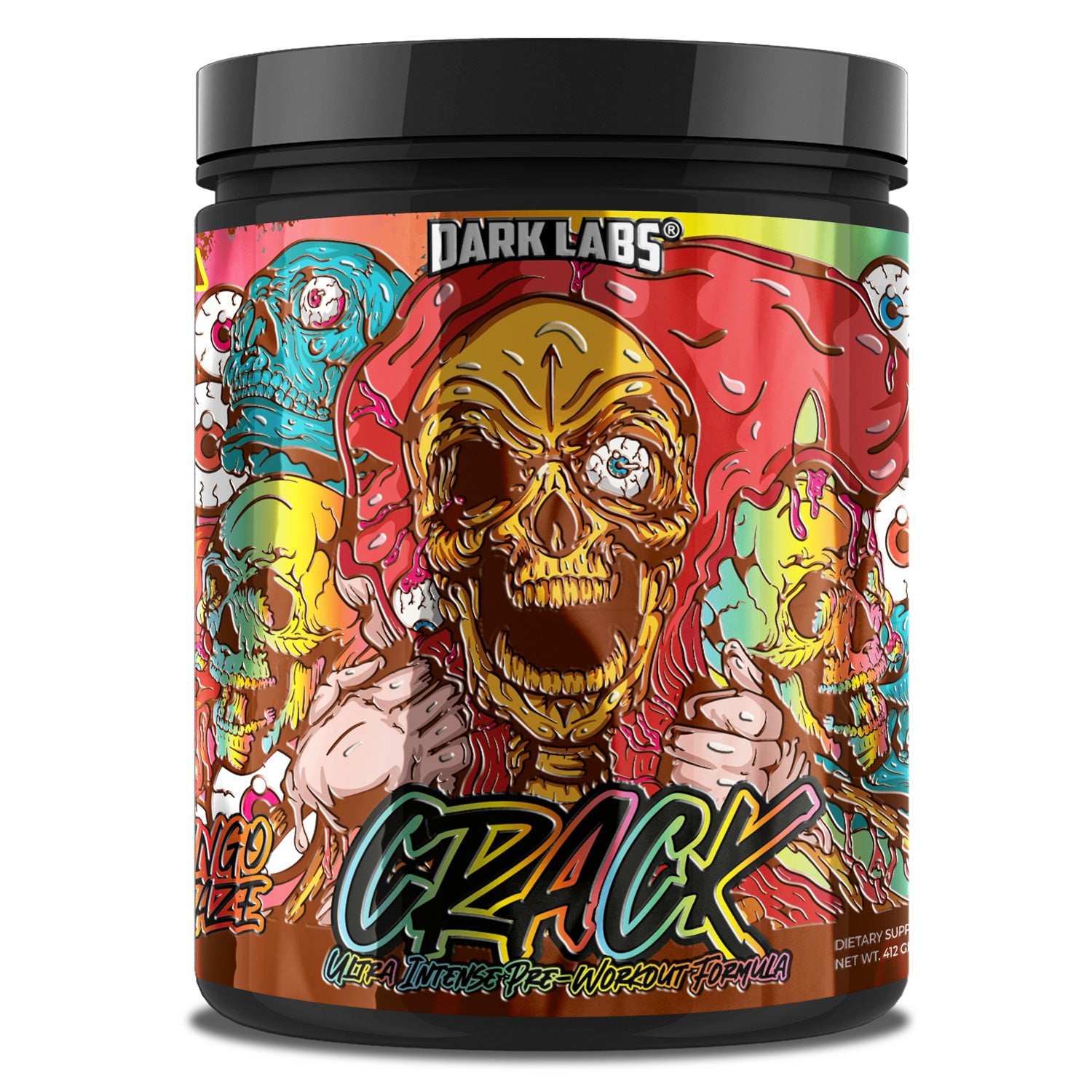
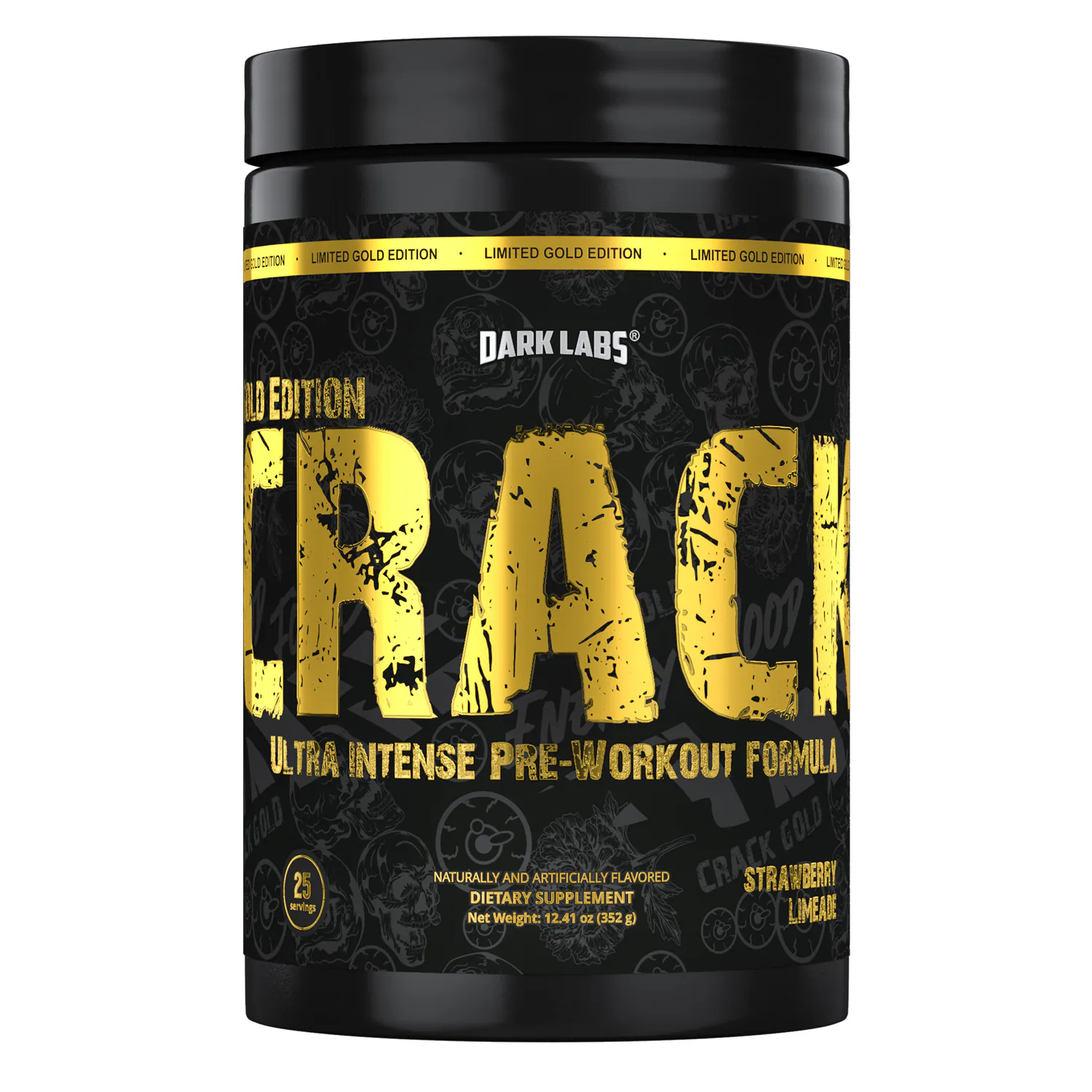
Yes, fat burners can be beneficial for enhancing fat metabolism during weight loss while preserving muscle mass. Consider using them as part of your training routine, and you may also try pre-workouts if needed for an additional energy boost during strength training.
Sources:
https://www.healthline.com/nutrition/best-macronutrient-ratio
https://whitecoattrainer.com/blog/how-to-lose-fat-without-losing-muscle
https://www.fitfatherproject.com/how-to-lose-fat-without-losing-muscle/
Read more
The summer has arrived and with it thousands of people wanting to be in ideal shape for their vacation. Many of them try whatever it takes to burn as much fat as possible in the shortest period of ...

Pre-workouts are supplements used to enhance our training sessions. They can significantly boost the results and increase the intensity of a workout, while alleviating the feeling of fatigue. Yet,...