




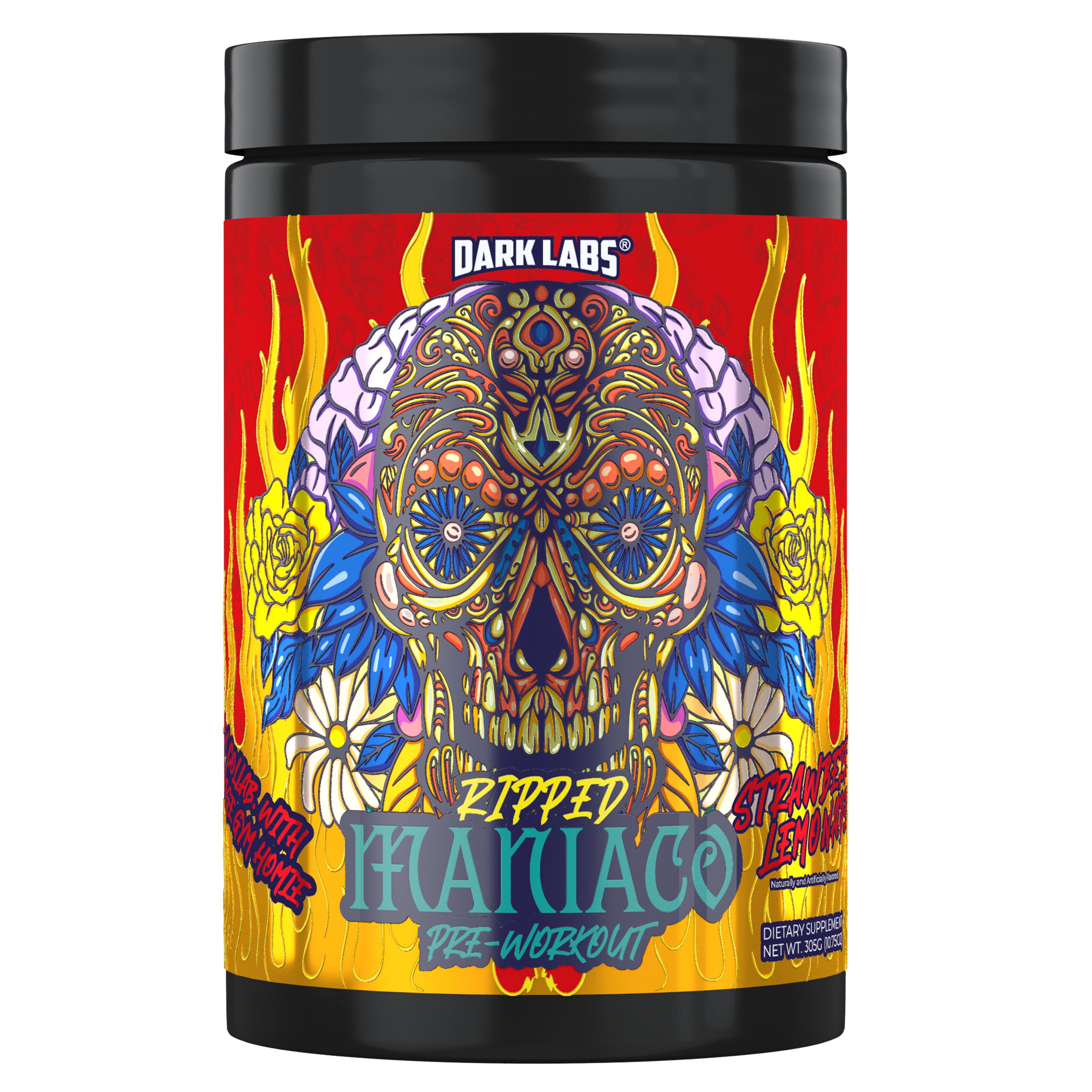



BCAA vs. Pre-Workout Differences & Which Is Better to Take
When you're committed to your training, you want to squeeze every ounce of potential from your efforts. Supplements often become a key part of the arsenal, providing that extra boost. But this leads to critical questions: which supplement is right for me? Can I take them together? After tackling the issue of mixing pre-workouts with fat burners, we’re diving deep into a classic fitness debate: pre-workout vs. BCAA. Which one is better? Can you combine them? And what does the science say? Let's find out.
Pre-Workout vs. BCAA: A Modern Breakdown
To decide if you should be using a pre-workout, BCAAs, or both, we first need to understand their distinct roles—and how those roles are evolving.
What Is a Pre-Workout?
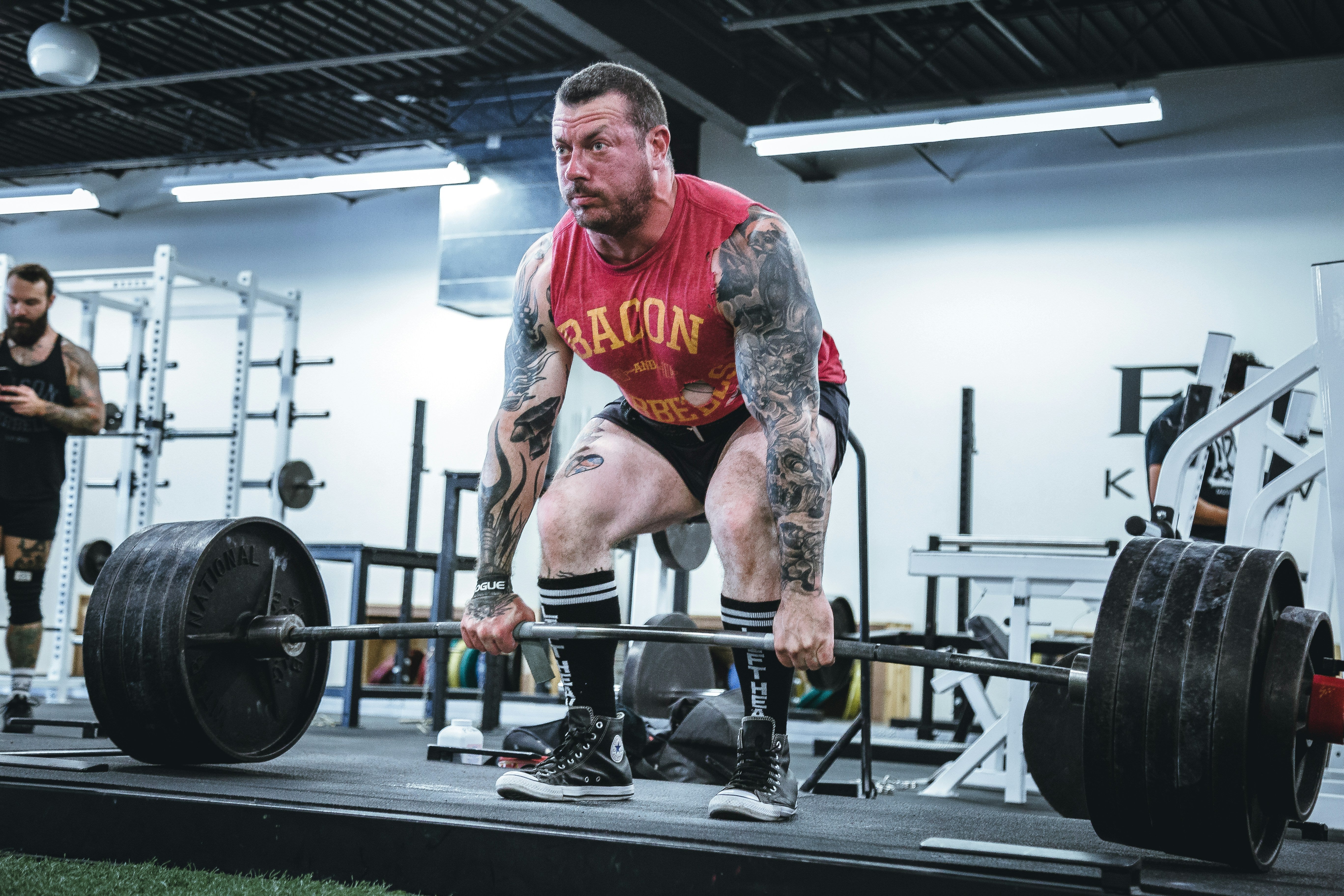
A pre-workout is a multi-ingredient supplement formula taken before training. Its primary job is to enhance your immediate workout performance. Think of it as the ultimate hype man for your gym session.
- Purpose: To boost energy, sharpen mental focus, increase strength and power output, and improve muscular endurance, allowing you to train harder and more effectively.
-
Key Ingredients: Modern pre-workouts are more than just caffeine. They often include:
- Stimulants: Caffeine for that signature energy and focus.
- Endurance Boosters: Beta-Alanine to help buffer lactic acid and reduce fatigue.
- Pump Enhancers: L-Citrulline or Citrulline Malate to increase blood flow to the muscles.
- Strength Aids: Creatine for improved power output.
- Amino Acids: And yes, many now include BCAAs or even a full spectrum of Essential Amino Acids (EAAs).
- Primary Benefit: It helps you perform at your peak during your workout, reducing the feeling of fatigue and potentially lowering the risk of injury through better focus and form.
What Are BCAAs (And the Rise of EAAs)?
BCAAs, or Branched-Chain Amino Acids, are a specific group of three essential amino acids: leucine, isoleucine, and valine. They are considered the primary drivers of muscle protein synthesis.
- Purpose: To support muscle recovery, reduce exercise-induced muscle soreness, and signal the body to build and repair muscle tissue.
- Key Ingredients: Leucine, isoleucine, and valine.
- The Modern View: Enter EAAs: The conversation in the fitness world is expanding from BCAAs to EAAs (Essential Amino Acids). While BCAAs are crucial, your body needs all nine essential amino acids to build new muscle protein effectively. Think of it this way: if BCAAs are the construction foremen, EAAs are the entire construction crew. Many experts now argue that a full EAA profile is superior for recovery and growth.
- Primary Benefit: They aid in muscle protein synthesis and reduce muscle damage, which is especially beneficial after your workout or for endurance athletes trying to prevent muscle breakdown during long sessions.
Pre-Workout vs. BCAA: Which One Is Better for You?
So, let's settle the score. The "better" supplement depends entirely on your training style and primary objective.
For High-Intensity Training: Pre-Workout Reigns Supreme
If your workouts are about power, strength, and explosive energy, a pre-workout is your best bet.
-
Choose a pre-workout for:
- Weightlifting & Bodybuilding
- CrossFit
- HIIT (High-Intensity Interval Training)
- Sprinting & Plyometrics
A pre-workout provides the immediate neurological and physiological boost needed to lift heavier, push out more reps, and maintain intensity through a demanding session.
For Endurance and Recovery: BCAA/EAA Has the Edge
If your focus is on longer-duration exercise or maximizing recovery, branched-chain amino acids are more specialized.
-
Choose BCAA/EAA for:
- Long-distance running or cycling
- Swimming
- Hiking or Rowing
- Fasted Training: When training in a fasted state, sipping on BCAAs can help prevent your body from breaking down muscle tissue for energy.
BCAAs can serve as an intra-workout fuel source during these long bouts, helping to reduce muscle breakdown and fatigue.
The Combination Question: Can You Mix Pre-Workout and BCAAs?
Yes, you can absolutely take a pre-workout and BCAAs together. However, before you start double-scooping, there's a crucial step.
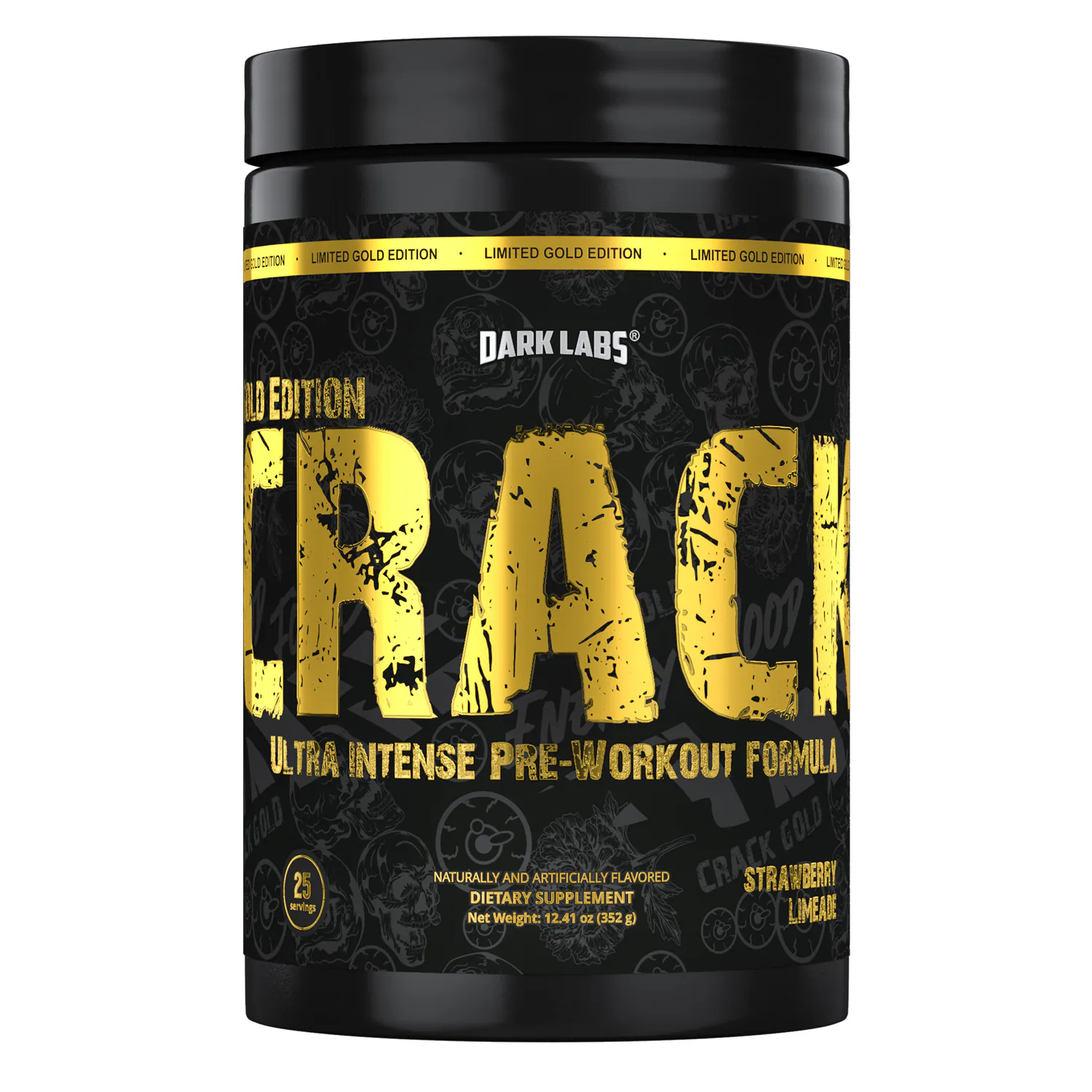
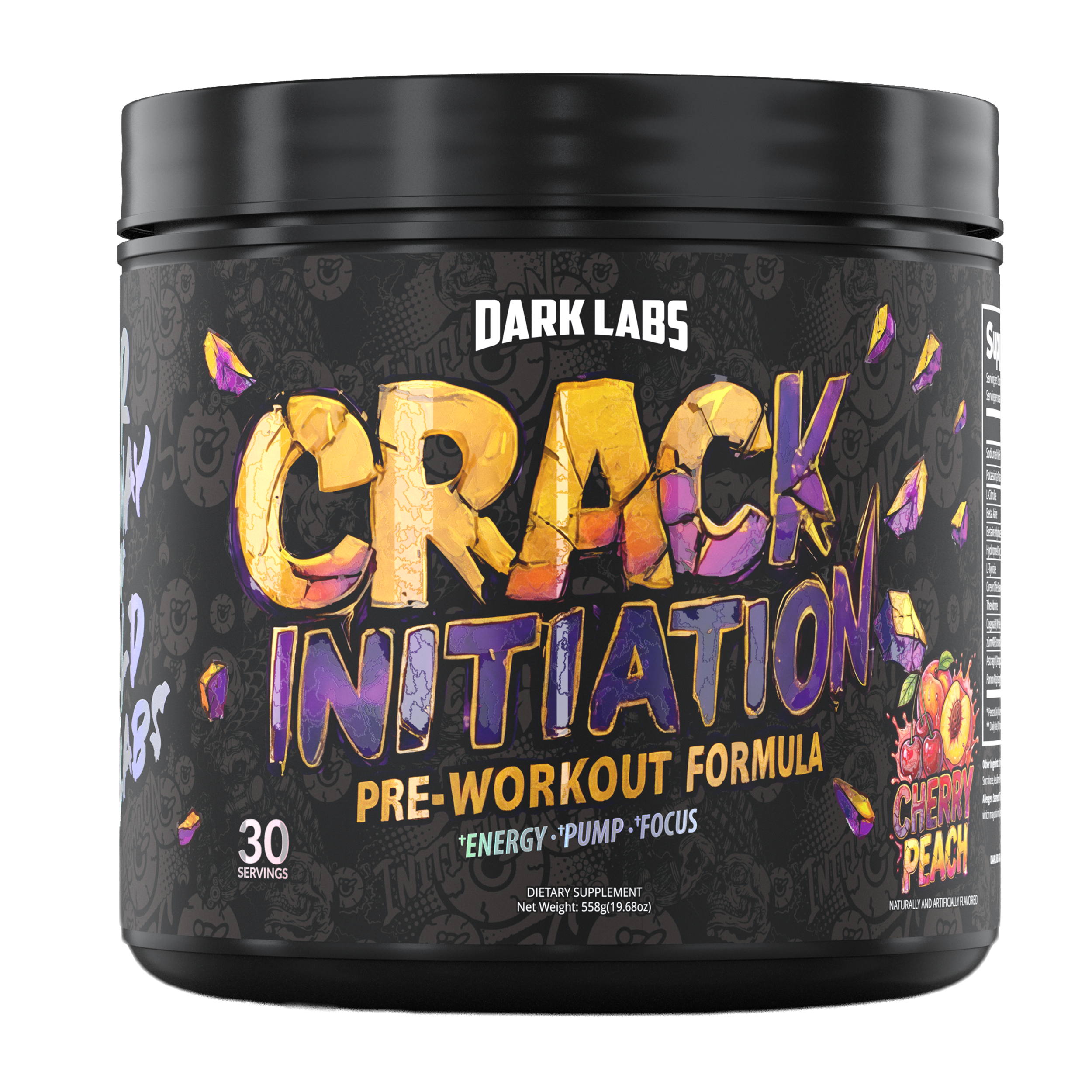
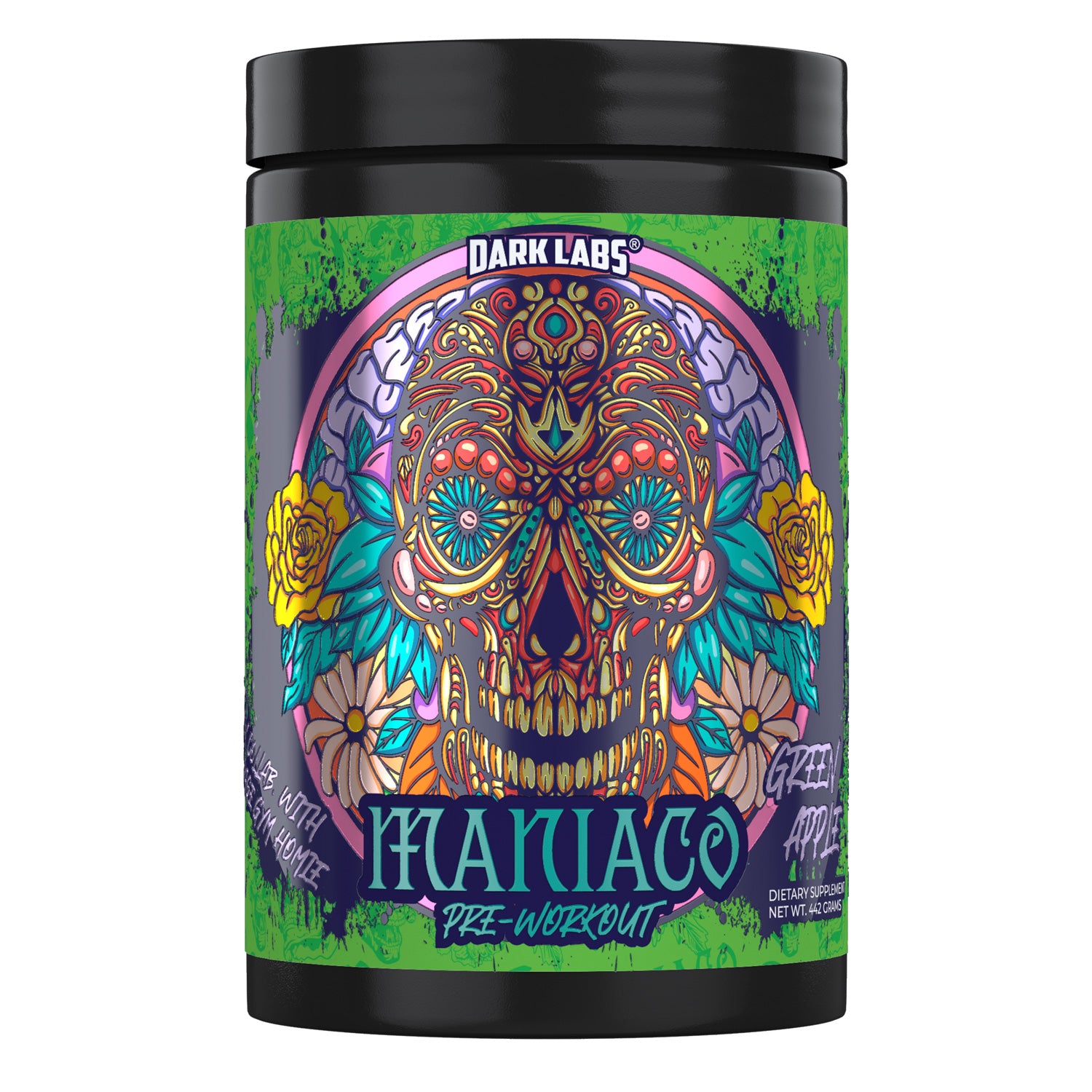
Check the label on your pre-workout. High-quality pre-workouts, like those from DarkLabs, often contain a clinical dose of BCAAs or a full EAA profile already. If your pre-workout provides 5-10 grams of amino acids per serving, adding a separate BCAA supplement is likely redundant and a waste of money.
If you do decide to combine them, remember the timing difference:
- Pre-Workout: Take 20-30 minutes before your training session.
- BCAA/EAA: Can be taken before, during, or even after your workout to support recovery. Many athletes prefer sipping on them during their session. They are also effective when taken on non-training days to continuously support muscle repair, which is quite different from typical pre-workout timing.
BCAA vs. Pre-Workout: Potential Side Effects
As with any supplement, it's important to be aware of potential side effects.
-
Pre-Workout Side Effects:
- Jitteriness or anxiety (from stimulants like caffeine)
- Trouble sleeping (if taken too close to bedtime)
- Headache or diarrhea
- A tingling sensation from Beta-Alanine (this is harmless and known as paresthesia)
-
BCAA Side Effects:
- Generally well-tolerated, but excessive consumption can lead to:
- Nausea or stomach upset
- An imbalance of amino acids if taken in very high doses without a balanced diet
The Final Verdict: Do You Really Need Both?
For the vast majority of gym-goers, the answer is likely no.
In most cases, a single, high-quality pre-workout that includes a full spectrum of EAAs will cover all your bases. It will provide the energy and focus for the workout itself, plus the essential building blocks for the recovery that follows. Combine this with a diet rich in complete protein sources (whey, meat, eggs, soy), and you are giving your body everything it needs.
So, when might you consider taking both?
- If you are an elite endurance athlete undergoing hours of training where muscle breakdown is a major concern.
- If you consistently perform fasted cardio or training and want to ensure you're protecting your muscle mass.
- If your pre-workout of choice is purely for energy and contains no amino acids.
Ultimately, the debate is shifting. Instead of asking "pre-workout vs. BCAA?", the modern, informed question is: "What's already in my pre-workout, and am I getting enough complete protein in my diet?" Answer that, and you'll know exactly how to fuel your body for optimal results.
Did you like this article? You may also read: Can We Take Fat Burners With Pre–Workouts?
References:
Weber, M. G., Dias, S. S., de Angelis, T. R., Fernandes, E. V., Bernardes, A. G., Milanez, V. F., Jussiani, E. I., & de Paula Ramos, S. (2021). The use of BCAA to decrease delayed-onset muscle soreness after a single bout of exercise: a systematic review and meta-analysis. Amino acids, 53(11), 1663–1678.
https://doi.org/10.1007/s00726-021-03089-2
What's the difference between BCAA and Pre-Workout?
BCAA stands for branched-chain amino acids, including valine, leucine, and isoleucine, which fuel your muscles and promote muscle protein synthesis. Pre-workout, on the other hand, is a supplement designed to enhance performance and reduce fatigue during workouts. Interestingly, some pre-workouts contain BCAA.
Can I mix BCAA with Pre-Workout?
Yes, you can mix BCAA with Pre-Workout. Most pre-workouts contain BCAA, but it's essential to check the label for the exact dosage to avoid overconsumption.
How much BCAA should I take with Pre-Workout?
BCAA dosage can vary, with recommendations ranging from 10g/day to 1g/10kg body weight/day. It's safest to start with the lower end of these values to prevent overuse.
When should I take BCAA and Pre-Workout?
Both BCAA and Pre-Workout should be taken before your workout sessions. However, BCAA can also be used on non-training days for maximum effectiveness.
Where can I naturally find BCAA in foods?
You can find branched-chain amino acids in foods like corn, whey, milk, soy, beef, chicken, fish, eggs, baked beans, whole wheat, brown rice, and almonds.
Which is better - BCAA or Pre-Workout?
The choice between BCAA and Pre-Workout depends on your goals. BCAA stimulates muscle growth and reduces muscle soreness, making it ideal for less intensive exercises like running or swimming. Pre-Workout provides an energy boost for intense workouts like HIIT or weightlifting. Many pre-workouts already contain BCAA, so they can cover both needs.
Are there specific exercises where BCAA or Pre-Workout is more effective?
Yes, BCAA is more efficient for low-intensity, long exercises like running or cycling, while Pre-Workout is better suited for high-intensity activities like sprinting or weightlifting.
What are the side effects of BCAA and Pre-Workout?
BCAA side effects may include nausea, diarrhea, stomach upset, or headaches. Pre-Workout side effects can include diarrhea, headaches, and jitteriness, especially if taken in the evening.
Do I need to take both BCAA and Pre-Workout?
In most cases, a high-quality Pre-Workout with added BCAA should suffice. However, if you engage in both strength training and intensive cardio, taking both supplements can optimize your routine.
What's the key takeaway when comparing BCAA and Pre-Workout?
In summary, BCAA stimulates muscle growth and recovery, while Pre-Workout enhances focus and energy for intense workouts. They can be taken together, but the choice depends on your exercise type and goals.
Read more

When you're striving for a fitter body, you naturally explore various options, and fat burners can be one of them. They aim to boost your metabolism, increase your energy levels, and aid in fat los...

Table of content: How Do You Know If Your Pre-Workout Is Working? Why Doesn’t Pre-Workout Work for You? Caffeine Resistance Underdosage Expired Supplement Bad Timing Unhealthy Lifestyle The Ta...