
Three types of Caffeine - which one is the best
Caffeine. It's been a staple fuel for centuries, and any dedicated gym goer knows it's practically synonymous with pre-workout supplements. Why? Because it flat-out works. By stimulating the central nervous system, caffeine is scientifically proven to crank up your energy levels, boost physical performance, sharpen focus, increase strength and power output, and push back mental fatigue. It's the edge many athletes rely on to crush their workouts.
What's the "Best" Caffeine Source for Training?
With benefits like that, it's easy to see why caffeine dominates the pre-workout scene. But when you search for the "best" caffeine, you'll find it's not a one-size-fits-all answer. It really depends on your individual response, preferences, and specific training goals.
Many swear by a simple black coffee before hitting the gym – it delivers a clean caffeine hit without unwanted calories or potential digestive upset some experience with milky drinks. Espresso shots offer a more concentrated dose in less volume. These are great natural starting points.
However, for more precise dosing and potentially enhanced effects, the world of supplements offers specialized forms of caffeine. This is where things get interesting for maximizing performance.
Beyond the Bean: Specialized Caffeine Forms in Supplements
While coffee is king for many, supplements often utilize specific caffeine isolates, sometimes combining them for synergistic effects. Here are the key players you'll find:
Caffeine Anhydrous
- Also Known As: Pure caffeine, 1,3,7-trimethylxanthine, guaranine.
- Typical Supplement Dosage Range: 150mg – 400mg+ (Athletes might use higher doses, but always start lower to assess tolerance).
- What You Need to Know: This is the most common form found in supplements. "Anhydrous" means "without water," so it's essentially dehydrated, concentrated caffeine powder. It provides the reliable energy and focus boost caffeine is known for.
Caffeine Citrate
- Typical Supplement Dosage Range: 50mg – 150mg.
- What You Need to Know: This isn't just pure caffeine; it's caffeine chemically bound with citric acid and sodium citrate. This combination makes it dissolve more easily and, crucially, act faster than Caffeine Anhydrous. You'll often find it in harder-hitting pre-workouts designed for a rapid energy surge, hitting peak levels in your blood in under 30 minutes. The downside? It's less stable and more costly to produce.
Dicaffeine Malate (e.g., Infinergy™)
- Typical Supplement Dosage Range: 50mg – 150mg.
- What You Need to Know: This form binds caffeine with malic acid. The big advantage here is smoothness. The malic acid is thought to buffer the digestive distress some people get from other caffeine forms. Perhaps more importantly, it may help smooth out the energy curve and lessen the dreaded "post-caffeine crash" often associated with high-stimulant formulas, providing a more sustained effect.
Timing and Dosage: The Keys to Effectiveness
Regardless of the source, timing and dosage are critical:
- General Guideline: Research suggests an effective dose for performance enhancement is typically 3-6 milligrams of caffeine per kilogram of body weight. For a 70kg (154lb) person, that's roughly 210-420mg.
- Timing: Aim to consume your caffeine 30-60 minutes before your workout. This allows blood levels to peak right when you start training. Caffeine Citrate might kick in slightly faster.
- Start Low: Always begin with a lower dose to assess your individual tolerance, especially when trying a new supplement. You can gradually increase it if needed and well-tolerated. Pre-workout supplements clearly list the caffeine amount per serving, making precise dosing easier than guessing with coffee.
The Power of the Stack: Synergy in Action
While each caffeine form has its merits, combining them is where advanced formulations shine. Stacking Caffeine Anhydrous (for the base effect), Caffeine Citrate (for the rapid onset), and Dicaffeine Malate (for sustained energy and smoother feel) creates a powerful synergy. This multi-phasic approach aims to deliver immediate energy, sustained performance, and enhanced focus without the harsh crash, providing optimal results. Adding nootropics can further amplify the cognitive benefits.
Important Considerations Before You Caffeinate
- Sensitivity: People metabolize caffeine differently. What works wonders for one person might cause jitters and anxiety in another. Know your body.
- Side Effects: Too much caffeine can lead to negative effects like anxiety, restlessness, insomnia, increased heart rate, and digestive issues. More is not always better.
- Hydration: Caffeine is a mild diuretic. Ensure you're drinking plenty of water, especially when training hard. Consider electrolytes too.
- Listen to Your Body: Don't rely on caffeine to push through excessive fatigue or pain. Rest and recovery are crucial.
- Competition: If you're a competing athlete, double-check that any supplements you use are tested and approved by relevant bodies (e.g., Informed-Sport) to avoid banned substances.
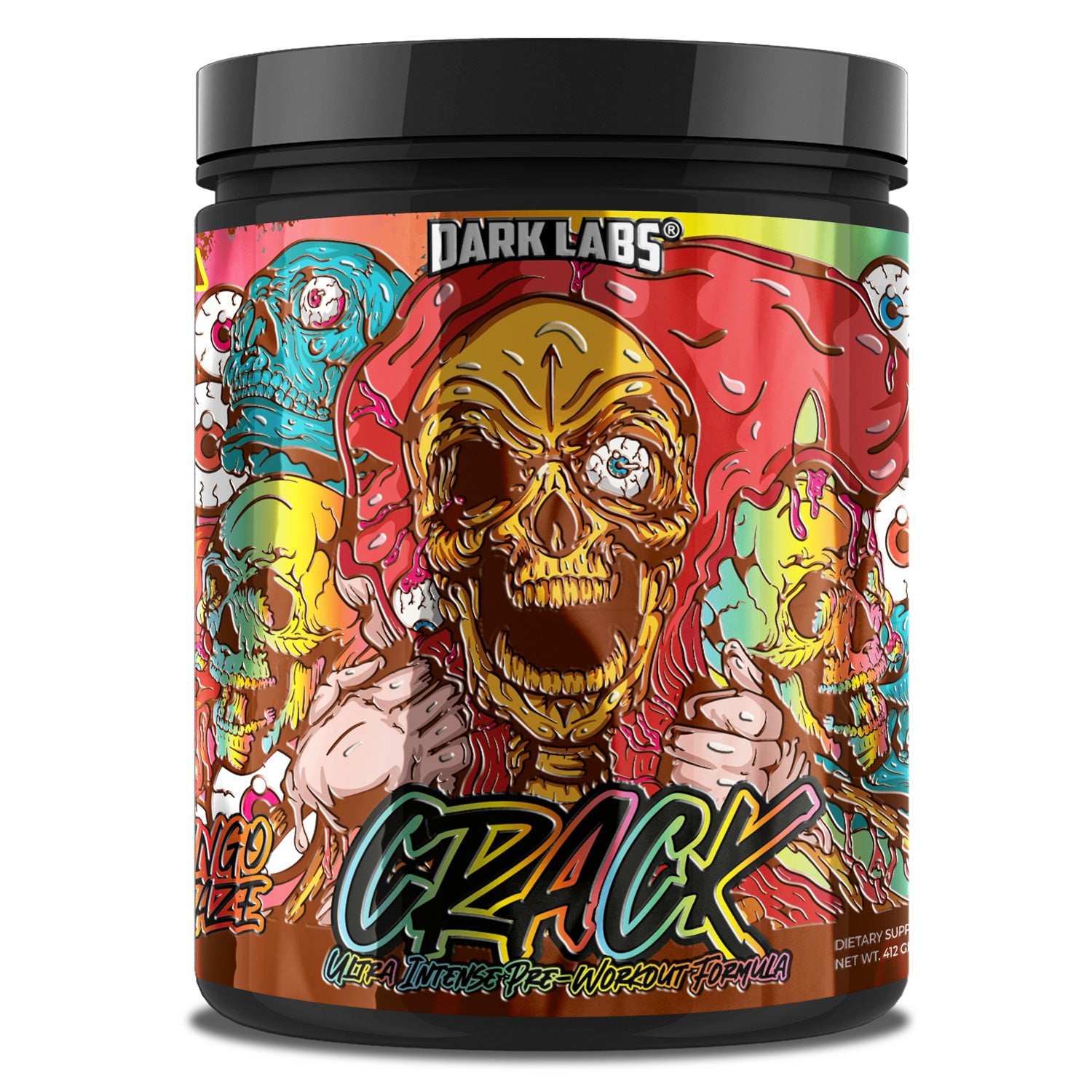
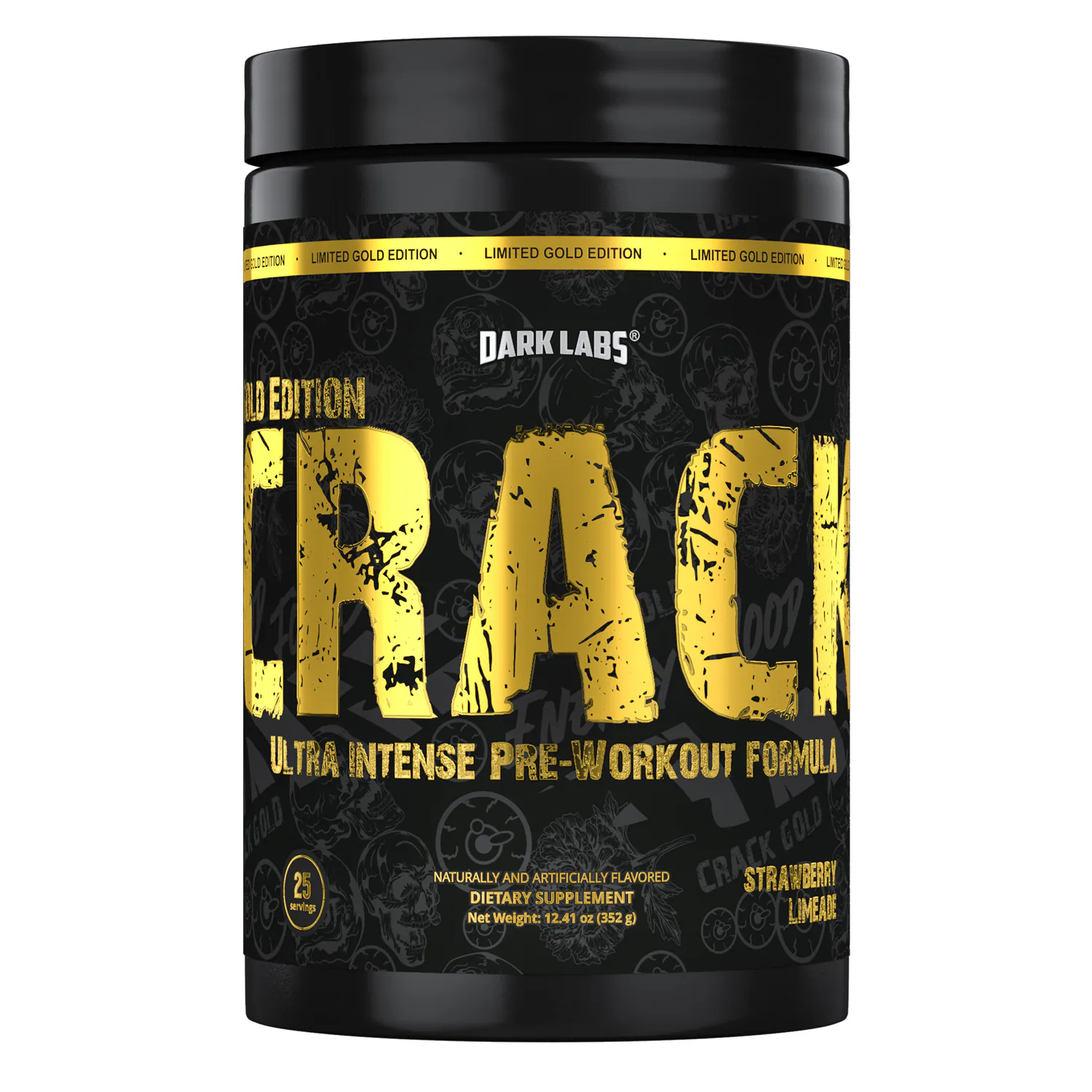
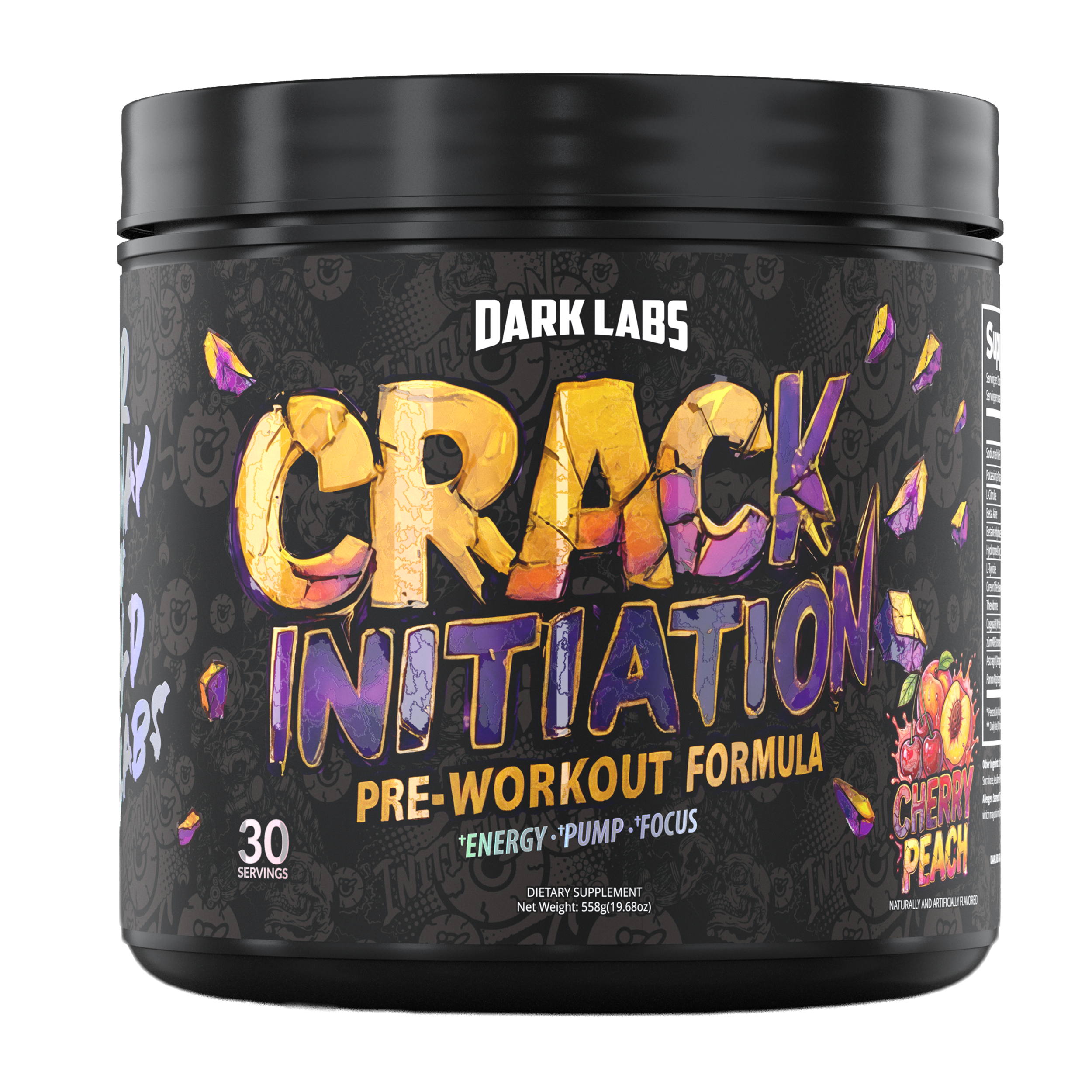
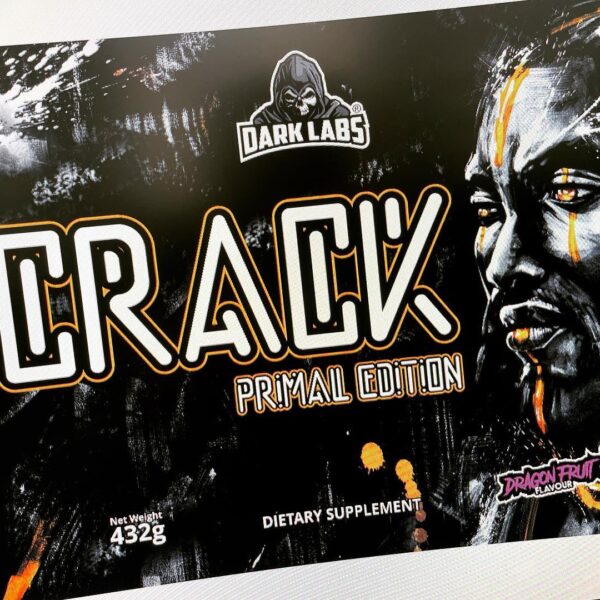
Crack Reloaded - a powerful pre-workout with 3 types of caffeine
Although these forms are powerful, they do workout best once stacked together. Since they all slightly differ, the syngery of caffeine anhydrous, dicaffeine malate and caffeine citrate is a powerful one - providing optimal results for improved performance, energy, focus and more. Nootropics can enhance the effects and experience even more so!
Introducing our newest pre workout powerhouse - Crack Reloaded. Which contains these various forms of caffeine at powerful and effective doses:
Caffeine Anhydrous 350mg*
Caffeine Citrate 150mg*
Dicaffeine Malate 100mg*
*Per full serving (2 scoops)
Along with powerful nootropics and other potent stimulants, Crack Reloaded is simply masterful.
Best Caffeine for Training - The Takeaway
The "best" caffeine for training is the one that aligns with your needs and tolerance. Whether it's a well-timed black coffee or a sophisticated pre-workout supplement utilizing stacked caffeine forms like Caffeine Anhydrous, Caffeine Citrate, and Dicaffeine Malate, understanding your options helps you make the smartest choice to fuel your performance. Advanced formulas, like our powerhouse Crack Reloaded (containing 350mg Anhydrous, 150mg Citrate, and 100mg Malate per full serving), are designed to leverage this synergy for maximum impact. Choose wisely, dose correctly, and get ready to unlock your potential.
What are the different types of caffeine used in pre workouts?
The different types of caffeine used in pre workouts include caffeine anhydrous, caffeine citrate, and dicaffeine malate. Each type has its own characteristics and benefits.
Why are different forms of caffeine stacked together in pre workouts?
The synergy of caffeine anhydrous, dicaffeine malate, and caffeine citrate in pre workouts leads to optimal results in terms of improved performance, energy, and focus. Stacking different forms of caffeine enhances their effects and provides a powerful boost for workouts.
Read more
zAgmatine sulfate is a decarboxylated metabolite of the amino acid L-arginine. Agmatine is found in foods such as shellfish, meat and fermented foods such as coffee, wine and beer. What is Agm...
Pre-workout and creatine are staples in the fitness community, renowned for their ability to enhance athletic performance and accelerate muscle building. Pre-workouts offer a dynamic blend of ingr...