







Why Muscle Density Matters & How To Build It
What Is Muscle Density?
Muscle density refers to the amount of muscle tissue per cm3 and is often juxtaposed with the amount of fat tissue. Higher muscle density comes with greater strength, enhanced performance, and endurance. Thus, athletes aim to increase it based on their goals. Interestingly enough, muscle density increases with age until prime adulthood [1], probably decreasing as we get old. It’s also dependent on several other factors:- Genetics—Depending on your genes, you might have a higher (or lower) muscle density or find it easier (or harder) to build.
- Diet—Hydration and protein intake help build better muscle density.
- Exercise—Regular exercise also leads to higher muscle density.

Muscle Density vs. Muscle Mass
Muscle density is often mistaken for muscle mass. However, they are two different things. Muscle mass is the size of your muscle. Naturally, the bigger it is, the more muscles you have, which affects your strength and endurance. However, it’s not muscle strength per se. Muscle density, on the other hand, is equal to the strength of your muscles. The higher it is, the stronger they are, while they remain the same size. It’s especially important for those who don’t want to get big but want to get strong. Naturally, even if you’re fully committed to building muscle mass, taking supplements for muscle growth, and training to achieve that aim, increasing muscle density is still good, as it will strengthen you.The Benefits of Building Muscle Density
Knowing what muscle density is, let’s focus more on the perks of building it. What will you get out of increasing your muscle density, and why is it worth it to train with this particular purpose in mind? Take a look below!Enhanced Athletic Performance
The main benefit of high muscle density is that your muscles get stronger, which means that…you perform better. It works for both endurance and strength sports, enabling you to undergo harsher training and develop faster. When combined with supplements for sports performance, this will boost your workouts significantly. That’s why improving muscle density should be your priority.Bone Health
Muscle density is also crucial for your bone health. After all, muscles support your bones, so the stronger they are, the more your bone tissue can grow. On the other hand, if your muscle density is low, you might experience a decrease in bone density and suffer from more fragile bones.Better Balance
This is especially important for older people. Stronger bones make it easier to keep balance, reducing the risk of falls. At the same time, it’s also important to achieve proper technique throughout workouts. So, it’s helpful both in everyday situations and when you hit the gym.How to Build Muscle Density?
So, let’s get to the most important part of this article. How to increase muscle density? Here are 5 tips!Increase the Weights Slightly and Gradually (Progressive Overload)
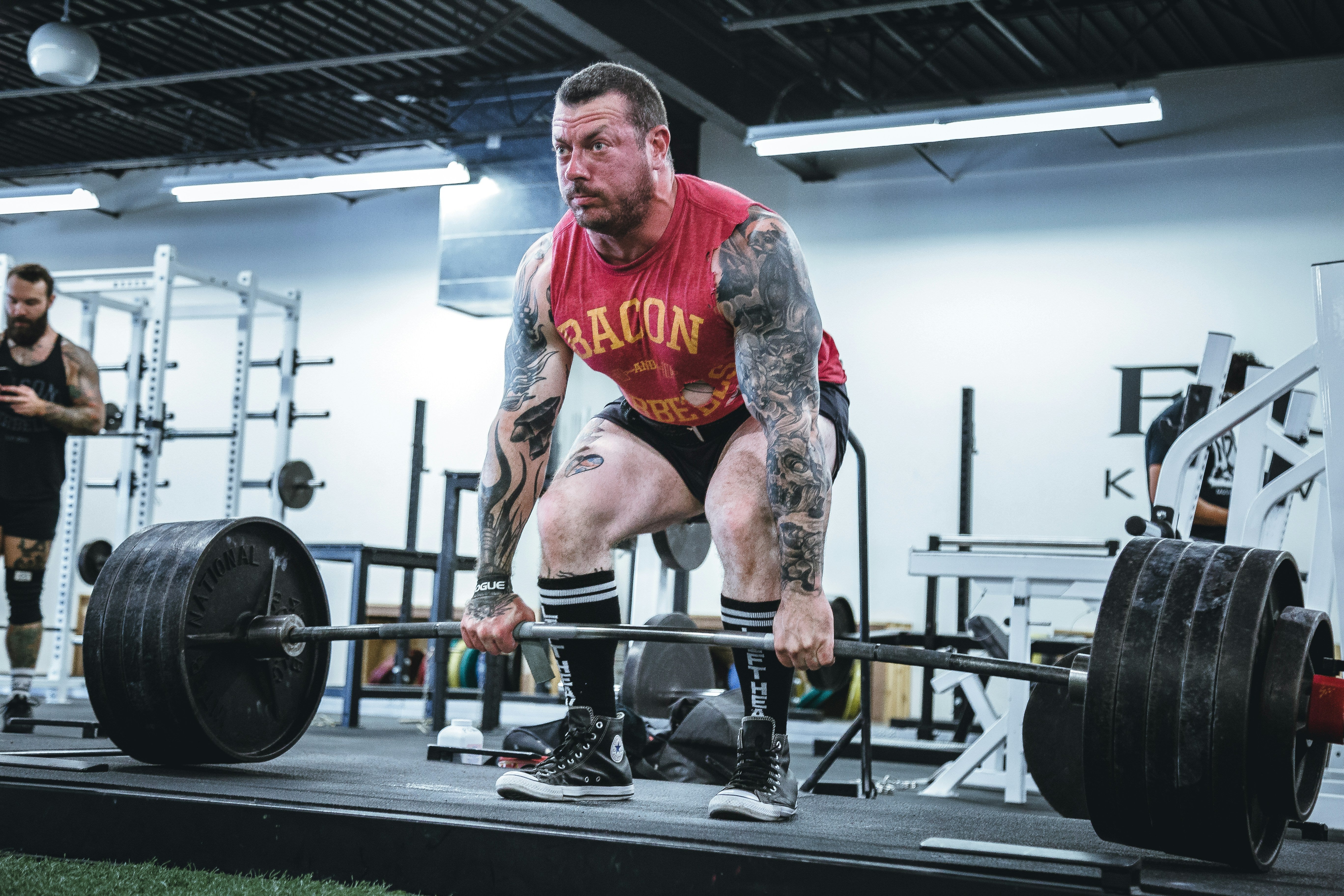
The first way to build better muscle density is pretty simple. All you need to do is increase the weight you lift from training to training. You don’t have to take up an extra 10 lbs every time—even tiny but gradual increases will do the trick. Naturally, there’s a limit to it, and you shouldn’t overdo the weight training. Nevertheless, if you train with weights that are too light, you won’t improve your muscle density.Keep a Muscle-Dense Diet
As we mentioned before, diet is crucial for building muscle density. To improve your muscle density, you should opt for foods, pre-workouts, and other supplements that contain a lot of proteins. But, that’s not all. You should also provide your body with carbohydrates and good fats before your workout. This is important because they’ll give you the short-term power to train harder—you’ll be able to lift heavier weights and generally have a better training session.Don’t Overtrain
You want to be faster, stronger, and more hardcore—we get it. We also know you’re dedicated and you’re going to train a lot. However, don’t overdo it. If you hit the gym too often and you don’t give your body time to recover, you won’t build muscle density. On the contrary, your muscles won’t have the time to rest and fix the micro-fractures caused by your workouts, so you won’t be making any progress. So, train regularly, but remember about rest—it’s as important as physical activity!Track Your Progress
How to build your muscle density if you don’t know whether you’re making mistakes or not? It’s impossible. That’s why you should monitor your progress and react if there’s none. Perhaps you’re not eating enough, or you’re overtraining? You’ll know that if you track your efforts.Use Supplements, but Remember About the Diet
Supplements are a great help when it comes to increasing your muscle density. However, they won’t work as effectively if you don’t combine them with a healthy diet. So, don’t rely purely on your pre-workouts and testosterone boosters—count your macros and eat protein-rich foods.
The Takeaway
Building muscle density means increasing your muscle strength, so it’s important no matter what sport you do. Plus, it has several health benefits! That’s why we recommend adding muscle-density-building good practices to your routine, especially since they are often helpful in other types of exercise as well! And if you’re looking for a boost to your workouts, see our article on the best supplements to improve muscle strength & endurance! Sources:- Leonard, Kaitlyn & Worden, Nikole & Boettcher, Marissa & Dickinson, Edwin & Omstead, Kailey & Burrows, Anne & Hartstone-Rose, Adam. (2021). Anatomical and ontogenetic influences on muscle density. Scientific Reports. 11. 2114. 10.1038/s41598-021-81489-w.
What is muscle density?
Muscle density refers to the amount of muscle tissue per cm³, often compared with the amount of fat tissue. Higher muscle density means stronger muscles, leading to improved performance, endurance, and overall physique.
How does muscle density differ from muscle mass?
Muscle density is about the strength of your muscles without changing their size, while muscle mass refers to the overall size of your muscles. Higher muscle density makes muscles stronger, whereas increased muscle mass makes them bigger.
How can I build muscle density?
To build muscle density, you should: 1. Gradually increase the weights you lift (progressive overload). 2. Maintain a muscle-dense diet rich in proteins, carbohydrates, and good fats. 3. Avoid overtraining and ensure adequate rest for muscle recovery 4. Track your progress to identify and correct any mistakes in your training or diet. 5. Use supplements to enhance muscle density, but always combine them with a balanced diet.
Read more

What are the best supplements for health and athletic performance? It all depends on their ingredients list. You want to look for betaine, caffeine, creatine, protein, beet juice, vitamin D, magnes...
Human growth hormones play a crucial role in bodybuilding. They are responsible for both muscle strength and growth. That’s why if you’re serious about your workouts, you need to know everything ab...