



Can Prohormones Build More Muscle Than Weight Training?
The use of prohormones to increase muscle mass has long been a controversial topic among the bodybuilding community. Given that they’re technically not steroids, some people give them a pass and think the use of prohormones to increase muscle mass is perfectly fine, risk-free, and an optimal way to build muscle, maybe even more than simply weight training. Still, just because they’ve been accepted by one part of the bodybuilding community doesn’t mean that prohormones are the best way to increase muscle mass, nor are they recommended, given the adverse health effects they also come with. For an in-depth guide into using prohormones for building muscle, read our article below.
What Are Prohormones?
Prohormones are performance-enhancing drugs that chemically resemble anabolic hormones like testosterone, albeit in their inactive precursor stage. This means that, after making its way into the body, the precursor form of the hormone gets converted into the target hormone in question as part of natural hormonal chemistry inside the body.
Some popular prohormones include:
- DHEA – a naturally occurring hormone present in the body. Depending on their needs, our organisms can convert DHEA to either estrogen or testosterone.
- 1-Androsterone (1-Andro) – a precursor to 1-androstenedione, which is an anabolic steroid.
- 4-Androsterone (4-Andro) – conversely, 4-andro is a precursor to 4-androstenedione, also an anabolic steroid.
Are Prohormones the Same as Steroids?
No, prohormones and steroids are different. Though related in function and end-effect, they represent two different sides of the same coin.
- As explained above, prohormones are precursors to anabolic hormones, meaning the body must convert them into the active form (such as testosterone) to achieve any anabolic effects. As a result of this need for conversion, their efficacy is typically lower compared to anabolic steroids because their effectiveness depends on the body’s ability to convert them, and this conversion rate can vary between individuals.
- Anabolic steroids, on the other hand, are the active form of these hormones. They are fully synthetic substances that mimic the bodybuilding effects of anabolic hormones. They do not require conversion by the body and can result in quicker and more potent anabolic effects.

Can You Use Prohormones to Increase Muscle Mass?
The short answer is yes, prohormones can potentially increase muscle mass. However, the effectiveness of prohormones in building muscle has been a subject of heated debate among fitness professionals and researchers for decades now.
In essence, prohormones work by increasing the body’s production of anabolic hormones, primarily testosterone. Using such testosterone boosters can lead to several effects beneficial to muscle growth:
- Increased muscle protein synthesis: Muscle breakdown occurs during training. Testosterone plays a part in regulating how fast muscle recovery occurs and how much growth can be achieved as part of that recovery.
- Enhanced nitrogen retention: Higher testosterone levels can improve nitrogen balance in the body, which is essential for maintaining an anabolic state.
- Improved recovery: Prohormones may help reduce recovery time between workouts, allowing for more frequent and intense training sessions.
- Increased strength: You may have heard the phrase “a bigger muscle is a stronger muscle.” Indeed, factoring in all of the above leads to a bigger strength potential since, assuming boosted recovery, the more you work out, the faster you can increase muscle size and, conversely, your strength.
However, certain limitations to the effectiveness of prohormones exist. The conversion process from the inactive to the active version of the hormone is not always efficient, and the results can vary significantly between individuals due to genetic predisposition and hormonal variance.
And, as with any supplement that interrupts the natural hormonal balance, using prohormones comes with a series of potential risks and side effects. We'll discuss these in the next section.
What Are the Side Effects of Prohormones?
Before hopping on a cycle of prohormones, users should be aware of the potential side effects:
- Hormonal imbalance: Prohormones can disrupt the body's natural hormone production, leading to issues like gynecomastia (male breast tissue development) and testicular atrophy.
- Increased levels of LDL: Some prohormones can increase the levels of “bad” cholesterol, potentially leading to an increased risk of heart disease and a host of other problems.
- Systemic disruption: The use of prohormones has been linked to damage and/or disruption within many organs, including the liver, stomach, and kidneys.
- Increased anxiety: Hormonal fluctuations can cause irritability, aggression, and depression in some users.
Additionally, prohormones fall into the grey area of supplementation. In some countries, their possession and use may be outright illegal, while in others, their chemical likeness to the much more strictly regulated anabolic steroids complicates the situation severely. While not a direct side-effect that causes trouble in one’s bodily function or overall well-being, it’s important to consider the legal risks associated with these substances before deciding on using them.

Prohormones vs. Natural Weight Training
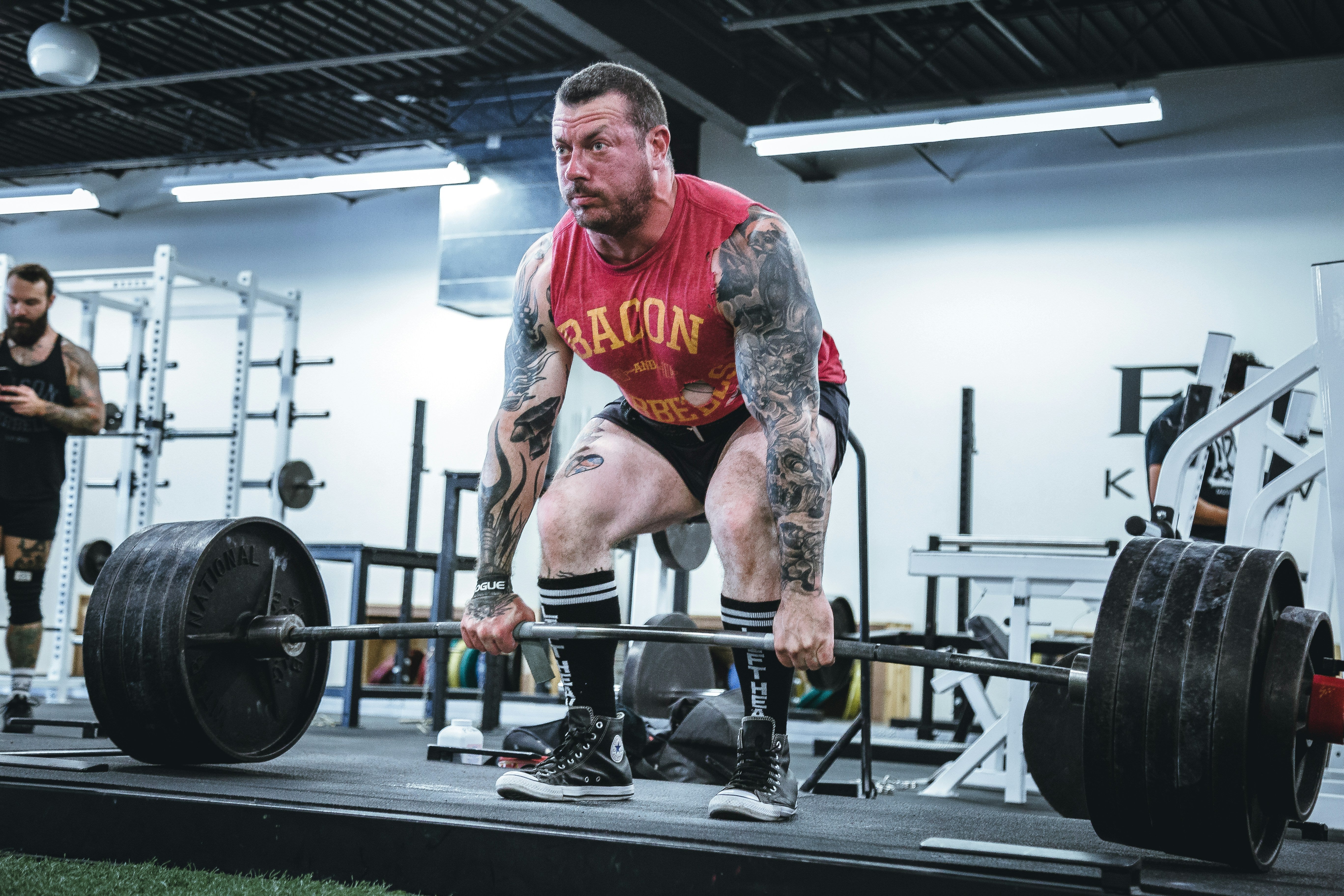
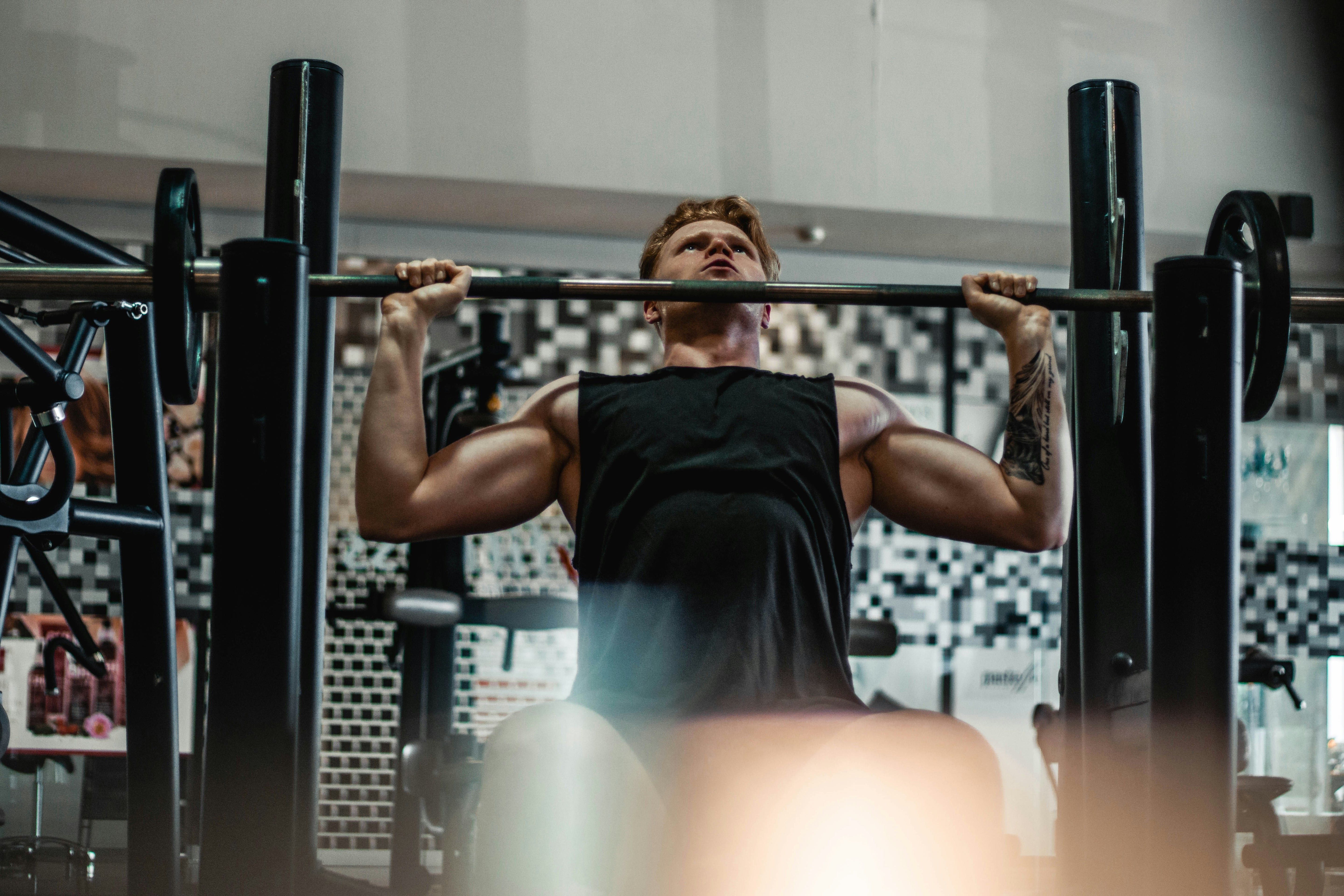
Undoubtedly, the muscle-building potential of prohormones is much larger than that of simple weight training. Of course, natural testosterone boosters do exist, but the obtainable results will always be limited by an individual’s genetic ceiling.
Prohormones (and anabolic steroids, for that matter) allow users to either reach that ceiling much faster or, in some cases, rise above it. An infamous scientific study in 1996 found that individuals who took steroids but did not work out were able to achieve a larger increase in total muscle mass compared to a group that stayed off the gear but kept resistance training for the whole duration of the study.
The muscle-building potential of prohormones is there, though it brings with it a number of questions:
- Long-term sustainability: Natural weight training, when paired with proper diet, nutrition, and rest, can lead to steady, sustainable muscle growth over time. Prohormones, on the other hand, often provide rapid but temporary gains that can be lost once usage is discontinued.
- Health risks: Lugging around heavy weight during intense weight training sessions will always involve some risk of injury. However, these risks are manageable, especially by employing proper technique, and have nothing to do with the body’s internal hormonal balance, which the use of prohormones can disrupt, leading to numerous problems.
- Ethical considerations: In the age of social media, fitness enthusiasts tend to rabidly judge physiques and accuse others of “not being natty” (natural) with the slightest suspicion. For many, this raises ethical concerns about fairness and authenticity in the fitness world.
The Takeaway
The potential for Prohormones to increase muscle mass is undeniable. However, their use comes with significant risks and side effects that, for most people, will outweigh the potential benefits for most individuals. On top of that comes the question of legality, as in many areas around the world, purchasing prohormones is a dubious practice in and of itself.
You may also read: Creatine Supplementation for Muscle Growth
What are prohormones?
Prohormones are performance-enhancing drugs that serve as precursors to anabolic hormones like testosterone. They are chemically similar to these hormones but inactive until converted within the body’s natural hormonal chemistry.
Are prohormones the same as steroids?
No, prohormones and steroids are not the same. Prohormones are precursors that need to be converted by the body into active hormones, while anabolic steroids are active forms that mimic the effects of hormones directly without needing conversion.
Can prohormones be used to increase muscle mass effectively?
Yes, prohormones can potentially increase muscle mass by enhancing the body’s production of anabolic hormones, which improve muscle protein synthesis, nitrogen retention, and recovery. However, their effectiveness varies widely among individuals.
What are the potential side effects of using prohormones?
The side effects of prohormones can include hormonal imbalance, increased levels of LDL (bad cholesterol), organ damage or disruption, and increased anxiety or mood swings. There are also legal risks as the status of prohormones can vary by country.
Read more

What’s the relationship between cardio and pre-workout supplements? Do you need to take a pre-workout before running? The answers to these questions depend on a few factors, but generally speaking ...
Need some beginner bodybuilding tips? You’ve come to the right place! Whether you have multiple attempts behind you or are looking into bodybuilding for the first time in your life, you’ll find our...