





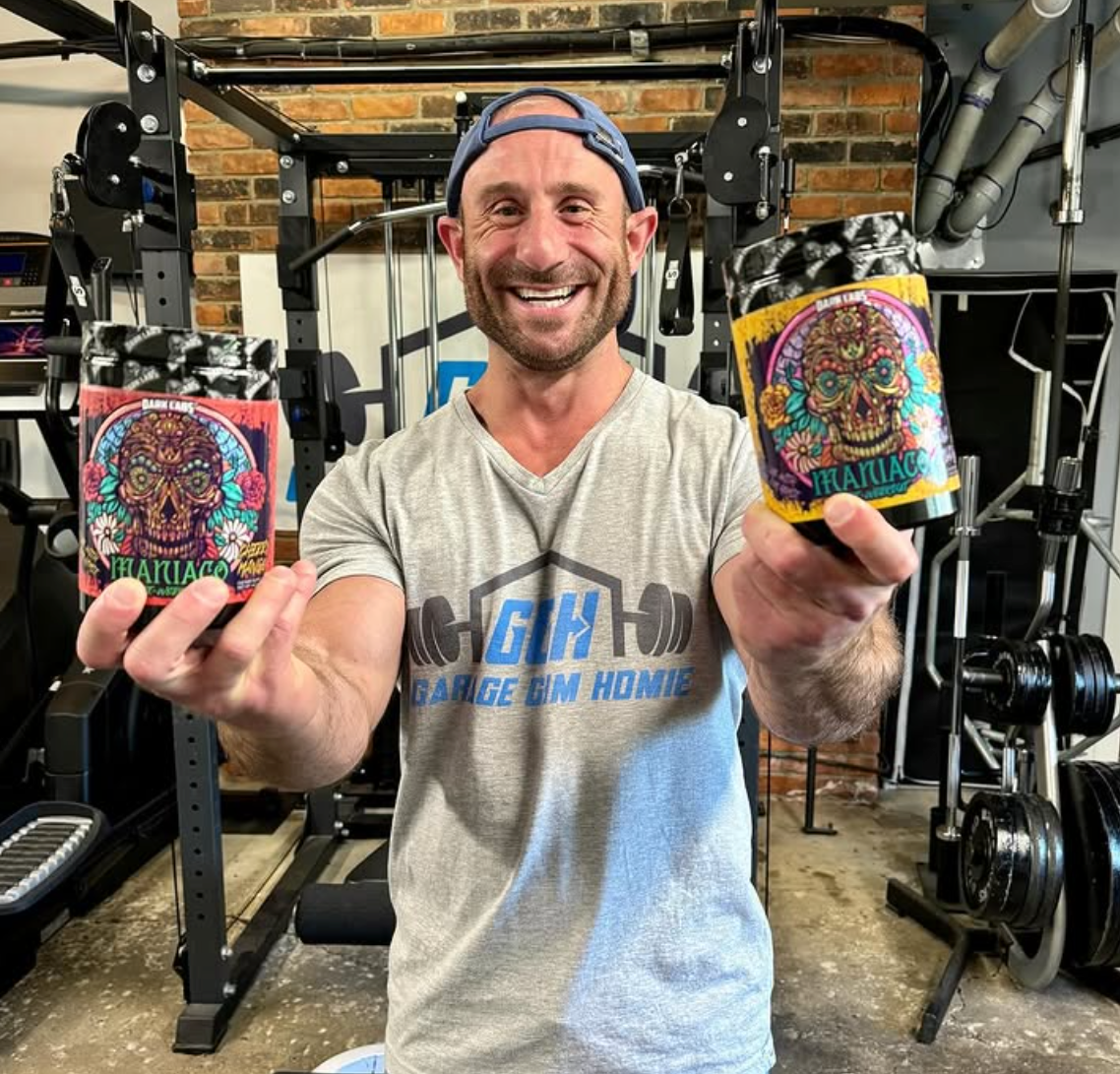

Should You Take A Pre-Workout Before Cardio?
What’s the relationship between cardio and pre-workout supplements? Do you need to take a pre-workout before running? The answers to these questions depend on a few factors, but generally speaking no, there’s no need to do this. Pre-workout supplements boost energy levels, focus, and power production during physical activity. While generally safe, increasing cardiovascular throughput through such means puts extra strain on your heart and blood vessels. As this also naturally occurs during cardio, compounding this effect could generate excessive cardiovascular stress and increase your heart rate too much, causing problems. For more information on cardio and pre-workout supplementation, read our take below.
How Do Pre-Workout Supplements Work?
Pre-workout supplements, or simply pre-workouts, aim to boost energy levels during strenuous activity to help you achieve better results and performance while decreasing fatigue and the risk of injury. Most often, they come in powdered form, and you prepare them by mixing a small dose in water or another drink of choice that you drink 30 minutes to an hour before training.

Different Kinds of Energy-Boosting Substances in Pre-Workouts Explained
As with any dietary supplement, there are many kinds of pre-workouts available on the market. They vary in chemical composition, origin, and the degree to which they help release more energy into your bloodstream to activate more muscle fibers and increase overall performance.
To expand upon your body’s natural capabilities to perform well during training, most pre-workout supplements target more than one function, i.e., they don’t just target energy production by itself. Some also involve lowering fatigue, increasing resistance to lactic acid buildup, or the efficiency with which energy is transferred to or absorbed into cells.
Want to know what pre-workout is made of? Here are some popular substances often found in pre-workout mixes:
Caffeine
Found naturally in coffee beans, this organic chemical has been a staple in the human diet for centuries. As a central nervous system stimulant, it’s often included as a focus and energy-boosting substance in many compound pre-workout blends.
Creatine
Although most people understand creatine as a supplement for muscle growth, the delivery mechanism functioning in the background actually works to boost the generation of ATP through one of the three energy systems in our bodies. Therefore, this particular amino acid isn’t recognized just for its ability to increase muscle mass but also to generate energy during intense exercise.
Beta-Alanine
This amino acid helps reduce fatigue buildup in muscles which happens due to lactic acid buildup. In practice, increasing your beta-alanine intake can have incredible benefits, including increased muscle endurance during training, helping you work out for longer.
Taurine
Similarly to beta-alanine, taurine also works to increase muscle endurance. It also aids in other physiological processes, including handling calcium ions which are essential in triggering muscle contraction. Both taurine and beta-alanine are often found in energy drinks, for example.
Green Tea Extract
Regularly consuming green tea has been associated with numerous health benefits, such as a lower risk of heart disease or diabetes. The highly concentrated form of green tea most often comes in pill or powdered form, contains high levels of EGCG (epigallocatechin gallate). This compound falls into the antioxidant group and can can significantly lower oxidative stress and fatigue levels during intense workouts.
Nitric Oxide Precursors
Substances like L-arginine or citrulline malate can improve blood flow by dilating blood vessels. This is called vasodilation and it allows for better oxygen transfer into the muscle, which can aid in performance.

Is Taking a Pre-Workout Before Cardio a Good Idea?
After reading the above-mentioned effects that pre-workout substances achieve, you might come to the conclusion that taking them before a cardio session makes complete sense. And, for the most part, you’d be right. However, there are critical aspects to consider here in a broader context.
First, in most individuals, these chemicals result in an increased heart rate. This process also occurs naturally during cardiovascular exercise, and compounding this effect could lead to problems, especially if these substances are taken regularly, in high doses, and in the form of complex pre-workout supplements that combine the effects of many ingredients all at once. If you’ve got heart worries, consult your doctor first before chugging down a potent, stimulant-packed pre-workout.
Second, understand that pre-workouts were primarily designed to aid in energy production during short-term bursts of very intense activity. This means that taking a pre-workout before running a 10K, for example, may not be necessary, since that’s more of an endurance-based activity.
Third, a lot of it will come down to personal variability. Some people may be more receptive to the effects of these substances, while others may have a natural (or acquired) tolerance. If you’re just starting out, though, it’s generally recommended that you don’t immediately hop on the most intense pre-workout you can get your hands on, and start slow. If you reach a plateau during your cardio sessions and feel like you need an extra boost in energy, consider the following:
- Proper hydration – Insufficient hydration levels can drastically affect your performance.
- Replenishing electrolyte levels – It’s recommended to replenish your level of electrolytes prior to working out, as they regulate muscle contraction and flexion, making them critical for proper motor function.
- Proper nutrition – Cardio requires high energy levels, and your body primarily relies on carbohydrate stores to generate it. If those aren’t high enough, your performance decreases.
- Start slow – If you check all these boxes, a pre-workout before cardio might be a good option. Consider testing the waters with a cup of coffee, EGCG, or a mild pre-workout mix before jumping all-in on the heavy stuff, and adjust as you go.
The Takeaway
There’s no need to take a pre-workout supplement before a cardio session, especially not before a session of low-intensity steady-state cardio like jogging, walking, or cycling. Such activities rely more on endurance and less on intense bursts of energy that pre-workouts were designed for.
However, if you’re thinking about taking a pre-workout before a high-intensity interval training session (HIIT) to push your limits, a balanced mix to aid in focus, energy, and recovery can elevate your performance to higher levels. That being said, always be mindful of your body’s response and avoid over-relying on supplements. Even with the best pre-workout, you can develop a tolerance for it over time and require bigger and bigger doses to achieve the same effect, which is where your risk of negative side-effect also begins to increase.
You may also read: The Role of Adaptogens in Fitness and Stress Management
Should you take a pre-workout supplement before cardio?
Generally, there is no need to take a pre-workout supplement before engaging in low to moderate intensity cardio activities like jogging or cycling, as these activities require endurance rather than short bursts of high energy.
Is it safe to take pre-workout supplements before intense cardio like HIIT?
It can be beneficial to use pre-workout supplements before high-intensity interval training (HIIT) to enhance performance. However, it is important to consider your heart health and consult with a healthcare provider if you have any concerns about increased heart rate or cardiovascular stress.
What are some alternatives to taking pre-workout supplements for improving cardio performance?
Alternatives include ensuring proper hydration, replenishing electrolytes, consuming adequate carbohydrates for energy, and starting with milder stimulants like coffee if you are new to pre-workouts. These measures can help maintain high performance levels without the potential risks associated with pre-workout supplements.
Read more

What is the best creatine supplement for muscle growth? As far as the scientific consensus goes, creatine monohydrate is the most likely to yield the best results when ingested consistently for pro...

The use of prohormones to increase muscle mass has long been a controversial topic among the bodybuilding community. Given that they’re technically not steroids, some people give them a pass and th...