



Coffee vs Pre-Workout: Which Is More Energizing?
Do you need a boost of energy before hitting the gym? If you’re looking for an effective pick-me-up, there are a few products that can help you. While millions of people rely on caffeine in coffee to provide them with the necessary energy and focus, there are also other solutions like pre-workout supplements that turn out to be equally or even more effective for specific fitness goals. So, is coffee better than pre-workout? Or is it the other way around? Keep reading to discover the answer to this and other questions!
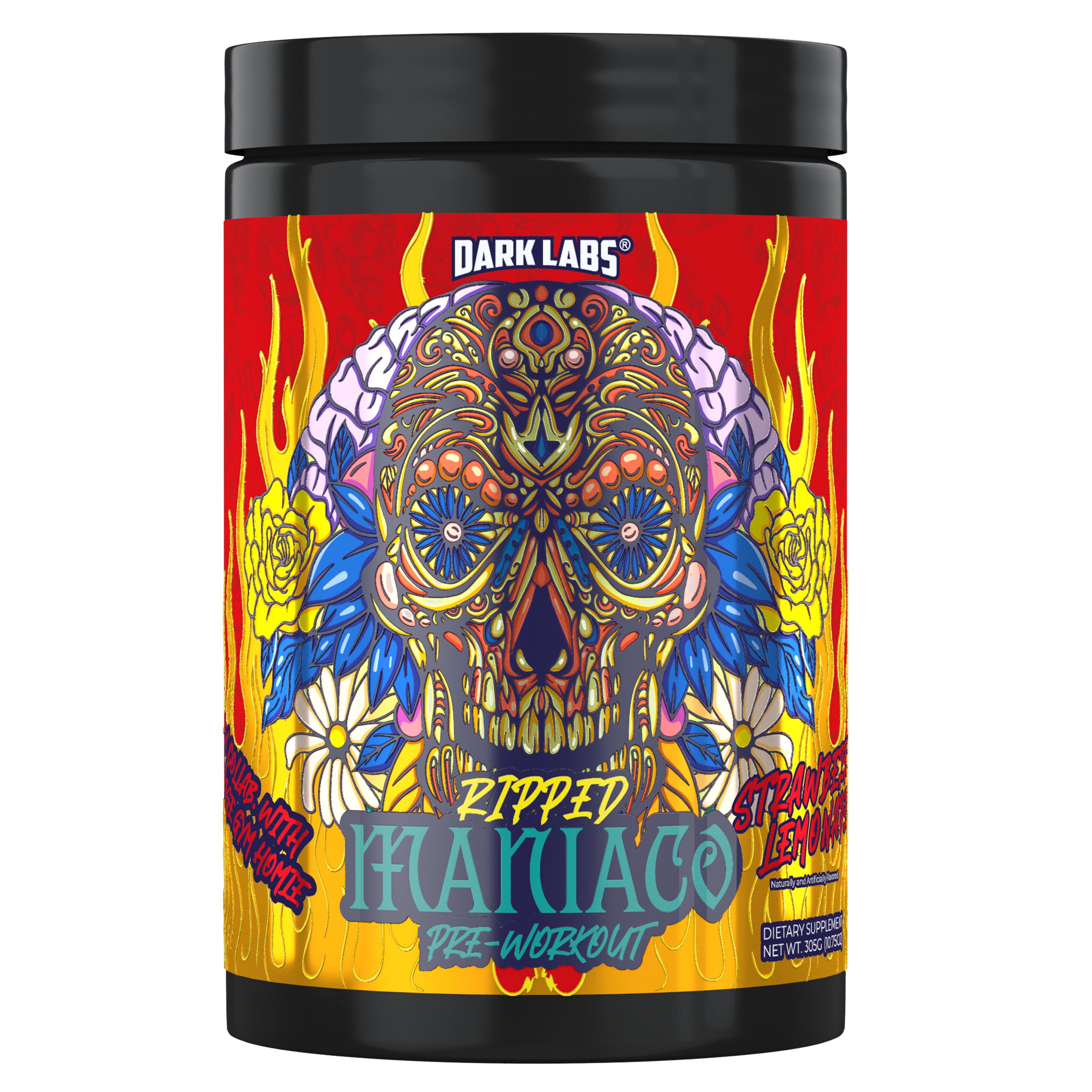
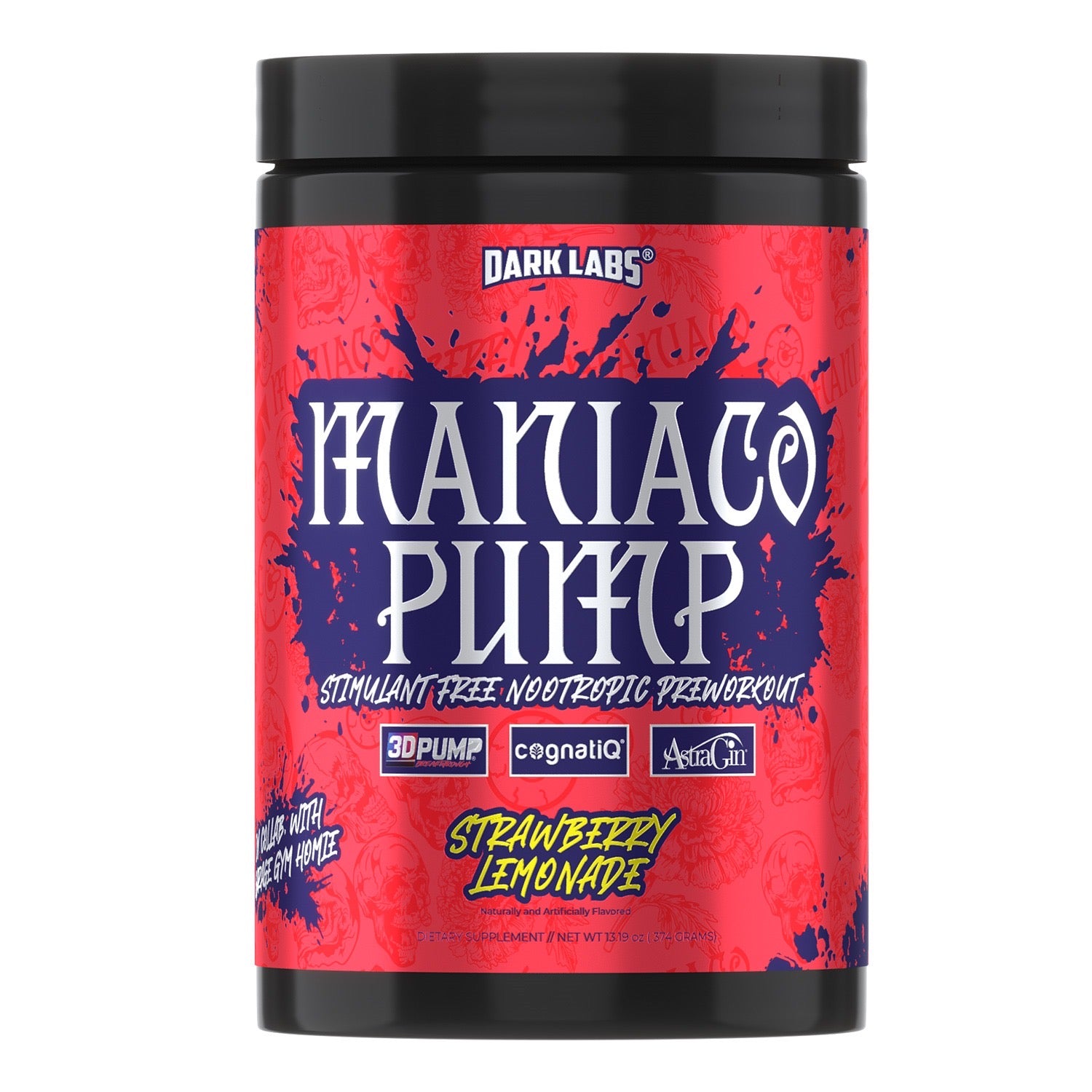
What is a pre-workout?
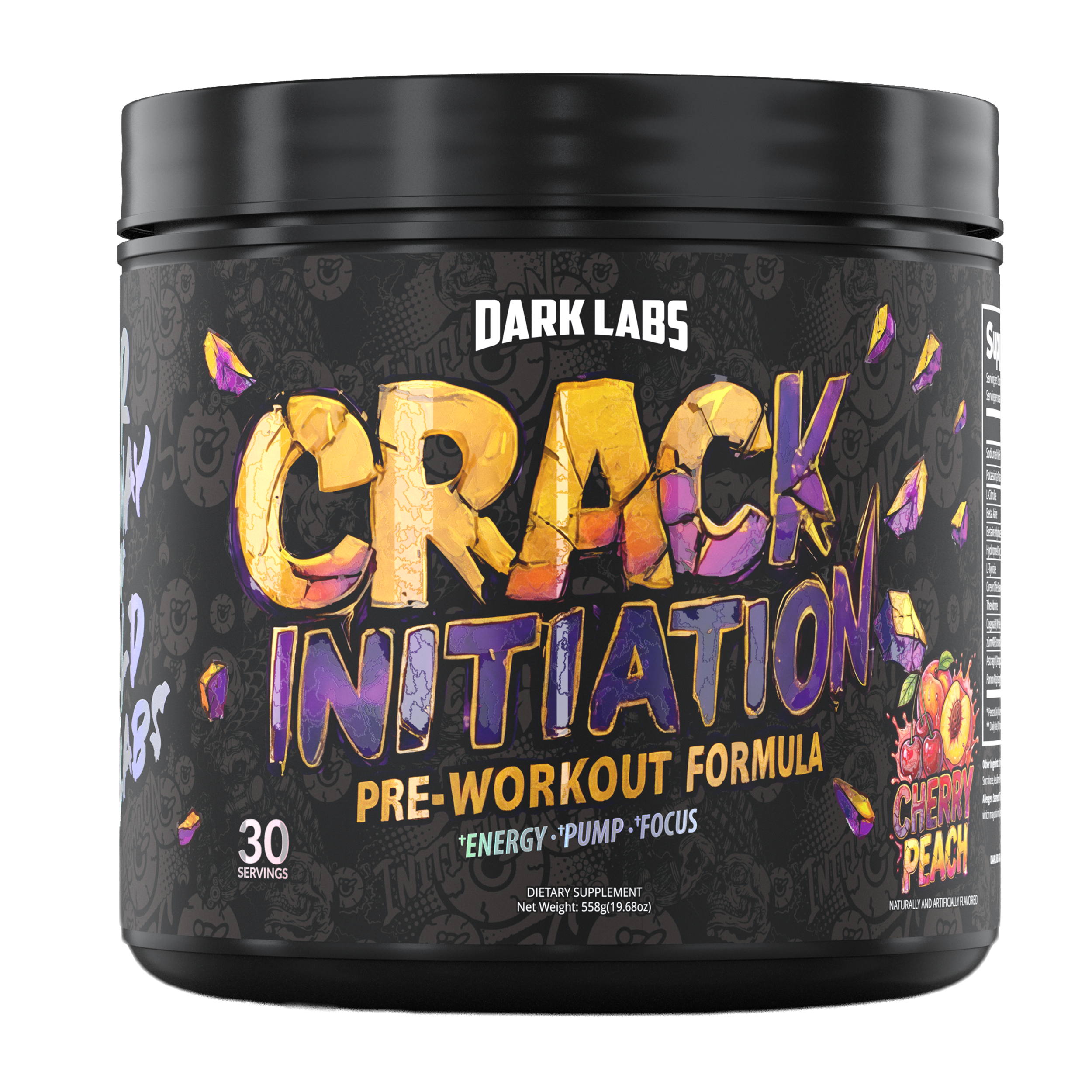
A pre-workout is a dietary supplement intended to be taken before going to the gym or any other physical activity. It's formulated to help improve your workout, increase energy levels, enhance mental focus, reduce fatigue, and sometimes even aid muscle growth or endurance.
Pre-workout supplements contain a strategic combination of ingredients designed to work synergistically. Common components include:
- Stimulants: Primarily caffeine (often in a concentrated form like caffeine anhydrous) for energy and alertness.
- Amino Acids: Such as Beta-Alanine (to buffer lactic acid and delay fatigue), Citrulline (to improve blood flow for better "pumps"), and sometimes BCAAs (Branched-Chain Amino Acids).
- Performance Enhancers: Like Creatine (for strength and power output).
- Nootropics: Ingredients aimed at improving mental focus and clarity (e.g., Tyrosine, DMAE, L-Theanine).
- Vitamins and Minerals: Often B vitamins for energy metabolism.
It’s worth mentioning that pre-workout supplements come in various forms, such as powders (most common), capsules, and ready-to-drink beverages. Thanks to this variety, everyone can potentially find a product tailored to their needs. They’re usually taken about 20-30 minutes before a workout and, as you can guess, their effectiveness can vary significantly from person to person based on the formula and individual physiology.
Many people looking for an effective way to boost their energy levels wonder if it’s worth buying pre-workouts and if they’re genuinely more effective than simply relying on coffee. So, is coffee better than pre-workout?
How much caffeine is in pre-workout vs. coffee?
Caffeine is the world's most commonly used psychoactive substance, found naturally in coffee beans and added to most pre-workout supplements. Its amount varies depending on the coffee brew method, bean type, brand, and specific pre-workout product.
However, generally speaking, pre-workout supplements contain significantly more caffeine than a standard cup of coffee.
- A typical 8oz (approx. 240ml) cup of brewed coffee contains around 95-150 mg of caffeine.
- A single serving of pre-workout can contain anywhere from 150mg to 400mg of caffeine, sometimes even more.
It's also important to note the type of caffeine. Pre-workouts often use caffeine anhydrous, a dehydrated, potent form, whereas coffee contains naturally occurring caffeine alongside other compounds.
Pre-workout vs. Coffee: Which One is Better?
Now, let’s get to the real question: is coffee better than pre-workout, or vice versa? The answer isn't black and white; it depends entirely on your specific needs, goals, workout intensity, budget, and individual tolerance. Let's break down the comparison:
| Feature | Pre-Workout | Coffee |
|---|---|---|
| Energy Boost | Provides a quicker, more intense surge of energy. Often formulated for sustained release or to avoid crashes. | Provides a more gradual energy boost that might feel smoother but less intense. Can lead to a crash later. |
| Endurance | Often contains ingredients like Beta-Alanine to directly combat muscle fatigue and improve endurance capacity. | Lacks specific endurance-boosting ingredients beyond caffeine's general effect on perceived exertion. |
| Muscle Pumps | Frequently includes vasodilators (like Citrulline) to increase blood flow, enhancing nutrient delivery and "pumps." | Does not contain specific pump-enhancing ingredients. |
| Strength/Power | May contain Creatine, proven to enhance strength and power output during short bursts of intense activity. | Does not contain Creatine. Caffeine may offer a small indirect benefit to strength. |
| Mental Focus | Contains caffeine and often additional nootropics (Tyrosine, L-Theanine etc.) designed for laser focus. | Provides focus primarily through caffeine. |
| Ingredients | Multi-ingredient formula, often synthetic components, potential fillers/sweeteners. More complex. | Primarily a single natural ingredient (caffeine + water + natural compounds). Fewer additives (if black). |
| Potential Benefits | More targeted for specific performance outcomes (endurance, strength, focus, pumps). | Natural energy source, rich in antioxidants, general alertness. |
| Side Effects | Higher risk due to multiple ingredients & high caffeine. Can include jitters, anxiety, insomnia, digestive upset, tingling (paresthesia from Beta-Alanine), headaches. | Lower risk, mainly caffeine-related (jitters, anxiety, sleep issues, digestive upset). Less likely tingling. |
| Cost | Generally more expensive per serving ($1-$2+). | Typically cheaper per serving, especially if brewed at home. |
| Convenience | Requires mixing powder with water. | Easily brewed or purchased ready-to-drink. |
| Digestive Issues | Both can cause issues (nausea, bloating, diarrhea) depending on ingredients and individual sensitivity. | Acidity can cause issues for some; less complex formula might be easier for others. |
| Natural Factor | Less "natural" due to processing and multiple additives. | Considered a "natural" source of caffeine. |
| Tolerance | Tolerance can build to caffeine and potentially other ingredients. | Tolerance primarily builds to caffeine. |
In Summary:
- Choose Pre-Workout if: You're serious about maximizing performance during intense workouts, need specific benefits like enhanced endurance or pumps, are looking for a strong energy kick, and are okay with a more complex ingredient profile and potentially higher cost/side effect risk.
- Choose Coffee if: You prefer a natural, simpler energy boost, are engaging in light-to-moderate exercise, prioritize affordability, are sensitive to common pre-workout ingredients, or simply need a general pick-me-up.
Understanding Potential Side Effects
One significant factor is the potential for side effects:
- Both: High caffeine content in either can lead to jitters, anxiety, increased heart rate, insomnia (especially if taken too late), and digestive upset (nausea, diarrhea).
-
Pre-Workout Specific:
- Paresthesia: A harmless but sometimes uncomfortable tingling/itching sensation, usually from Beta-Alanine.
- Headaches: Can be caused by high caffeine or vasodilation ingredients. Dehydration can also contribute.
- Digestive Distress: More potential triggers due to the mix of ingredients.
- Skin Flushing: High doses of Niacin (Vitamin B3) can cause temporary redness/itchiness.
It's crucial to start with a lower dose to assess tolerance, stay well-hydrated, and avoid taking caffeinated products too close to bedtime (allow at least 4-6 hours).
How to Choose the Best Pre-Workout?
If you decide pre-workout is the right path for you, navigating the options can be tricky. Here’s what to pay attention to:
- Look at the Ingredients: Prioritize products with clinically proven ingredients relevant to your goals (e.g., caffeine for energy, beta-alanine for endurance, creatine for strength, citrulline for pumps). Check for transparency – does the label clearly state the dosage of each key ingredient?
- Check Dosages: Ensure ingredients are present in effective amounts. Too little might be ineffective, too much increases side effect risk. Research recommended dosages or consult a professional.
- Assess Caffeine Content: Choose based on your tolerance. Many brands offer low-stimulant or stimulant-free options if you're sensitive or train late. Remember the 400mg daily upper limit recommendation for most adults from all sources.
- Manufacturer Quality & Testing: Look for brands that manufacture in certified facilities (like cGMP) and ideally use third-party testing for purity and potency. This ensures the product is safe and contains what it claims.
- Consider Your Budget: Prices vary widely. Compare cost per serving, but don't sacrifice quality for price. Look for good value based on the ingredients provided.
- Flavor and Mixability: Choose a flavor you enjoy and a powder that mixes easily to make it a pleasant part of your routine.
- Align with Fitness Goals: Select a formula that supports your specific objectives. Endurance athletes might prioritize beta-alanine, while strength athletes might look for creatine.
What About Natural Alternatives?
If you're hesitant about supplements or coffee, several natural foods can provide an energy boost before exercise:
- Bananas: Offer easily digestible carbs and potassium for energy and muscle function.
- Oatmeal: Provides slow-releasing complex carbohydrates for sustained energy.
- Fruits: Berries, apples, or oranges offer natural sugars for quick energy.
- Green Tea: Contains some caffeine and L-theanine for focused energy with potentially fewer jitters than coffee.
- Beetroot Juice: Known to improve blood flow and endurance due to nitrates.
These are generally consumed 30-90 minutes before activity, depending on the food.
The Takeaway: Pre-Workout vs Coffee
So, is coffee better than a pre-workout? As we've seen, there's no single "better" option – it depends entirely on context.
- For casual exercisers or those seeking a natural, affordable energy lift, coffee is often sufficient and carries fewer potential side effects.
- For dedicated athletes or those performing high-intensity training seeking maximum performance enhancement (more energy, focus, endurance, strength), a well-formulated pre-workout supplement tailored to their goals is likely more effective due to its specific blend of performance-enhancing ingredients.
Consider your individual fitness goals, workout intensity, budget, sensitivity to caffeine and other ingredients, and preference for natural vs. formulated products. If you're looking for a quick and potent boost specifically designed to enhance various aspects of your workout, a pre-workout can be a valuable tool. Coffee provides a simpler, more gradual lift.
Crucially, listen to your body. Start with lower doses if trying pre-workout, monitor for side effects, and if unsure, consult with a healthcare professional or registered dietitian for personalized advice before adding any new supplement to your routine.
Is coffee better than pre-workout?
The answer depends on your specific needs and goals. If you're looking for a quick energy boost, pre-workouts are recommended as they provide an immediate surge of energy and focus. Coffee, on the other hand, offers a more gradual energy boost that lasts longer. It's suitable for longer days but may not be enough for achieving fitness goals.
How much caffeine is in pre-workout compared to coffee?
Pre-workout supplements generally contain more caffeine than a cup of coffee. While a typical cup of coffee contains around 95 mg of caffeine, a single serving of pre-workout can contain anywhere from 150 mg to 400 mg of caffeine, depending on the brand and product type.
Read more
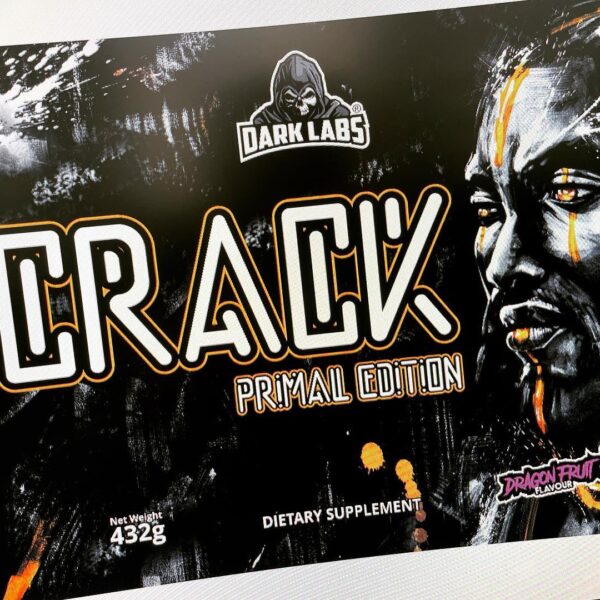
Pre-workout and creatine are staples in the fitness community, renowned for their ability to enhance athletic performance and accelerate muscle building. Pre-workouts offer a dynamic blend of ingr...

Using pre-workouts can significantly increase the results of your training. It is, thus, no wonder that many people decide to add pre-workouts to their diet. However, many gym-goers don’t use them ...