




Pre-workout supplement timing: when to take pre-workouts for best results?
Using pre-workouts can significantly increase the results of your training. It is, thus, no wonder that many people decide to add pre-workouts to their diet. However, many gym-goers don’t use them properly, mostly because they don’t know when to take pre-workouts for maximum benefit. So what is the best time to take pre-workouts?
While the ideal timing can vary slightly based on individual factors like weight, metabolism, sensitivity to ingredients, and recent food intake, the general recommendation is consistent. Read more to learn the optimal window for taking pre-workouts and how to fine-tune it for your body!
What are pre-workouts and how can they enhance your training?
Pre-workouts are supplements – a mix of several different ingredients designed to boost your workout performance. Common components include caffeine, amino acids (like Beta-Alanine or Citrulline), vitamins, and other stimulants.
Taking them aims to give you more energy for your training, increase focus, and decrease the feeling of fatigue. As a result, your workouts can become much more efficient – pre-workouts may allow you to train longer, push harder, or lift heavier weights. Whether you’re trying to lose weight or build muscle, these supplements can help you achieve more in one session.
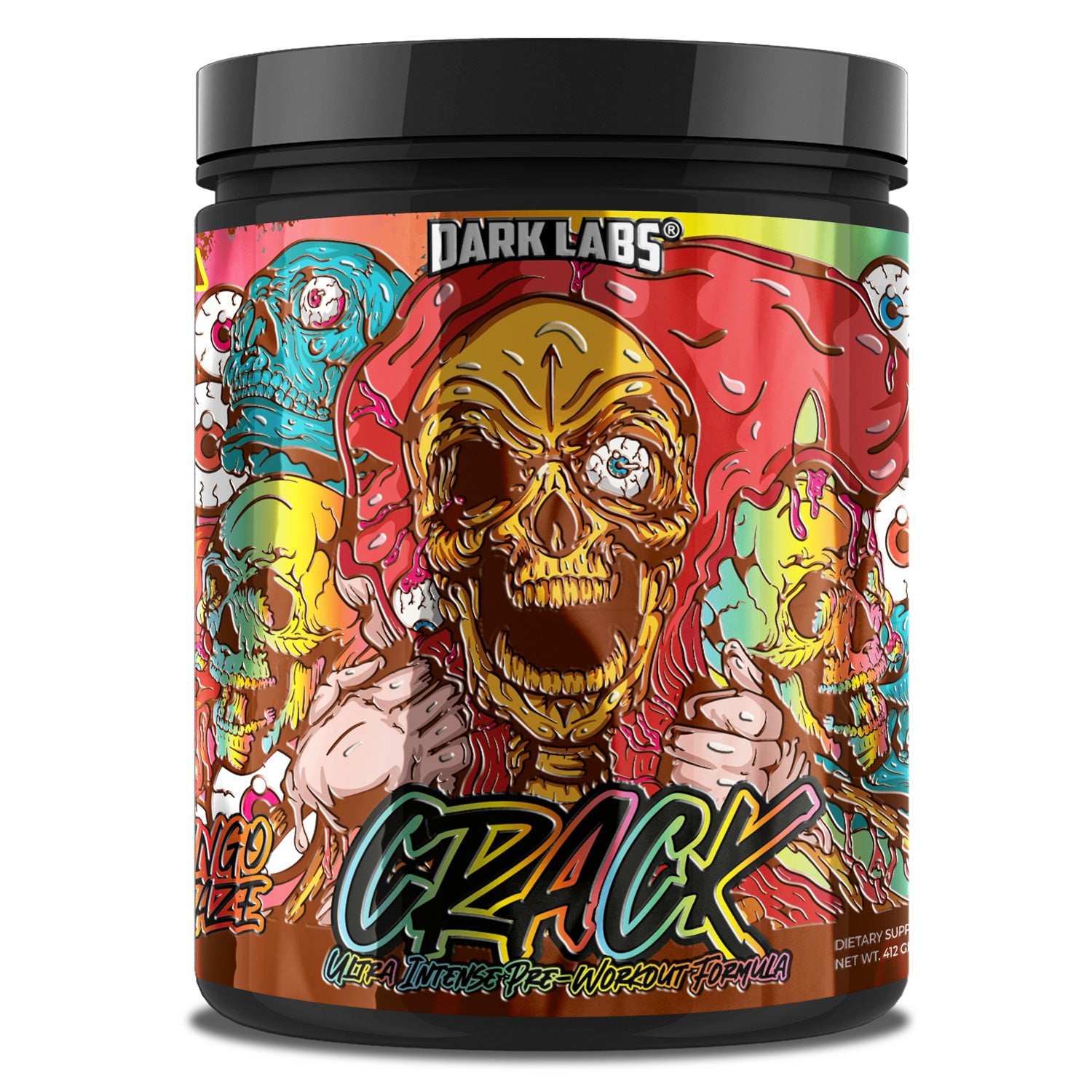
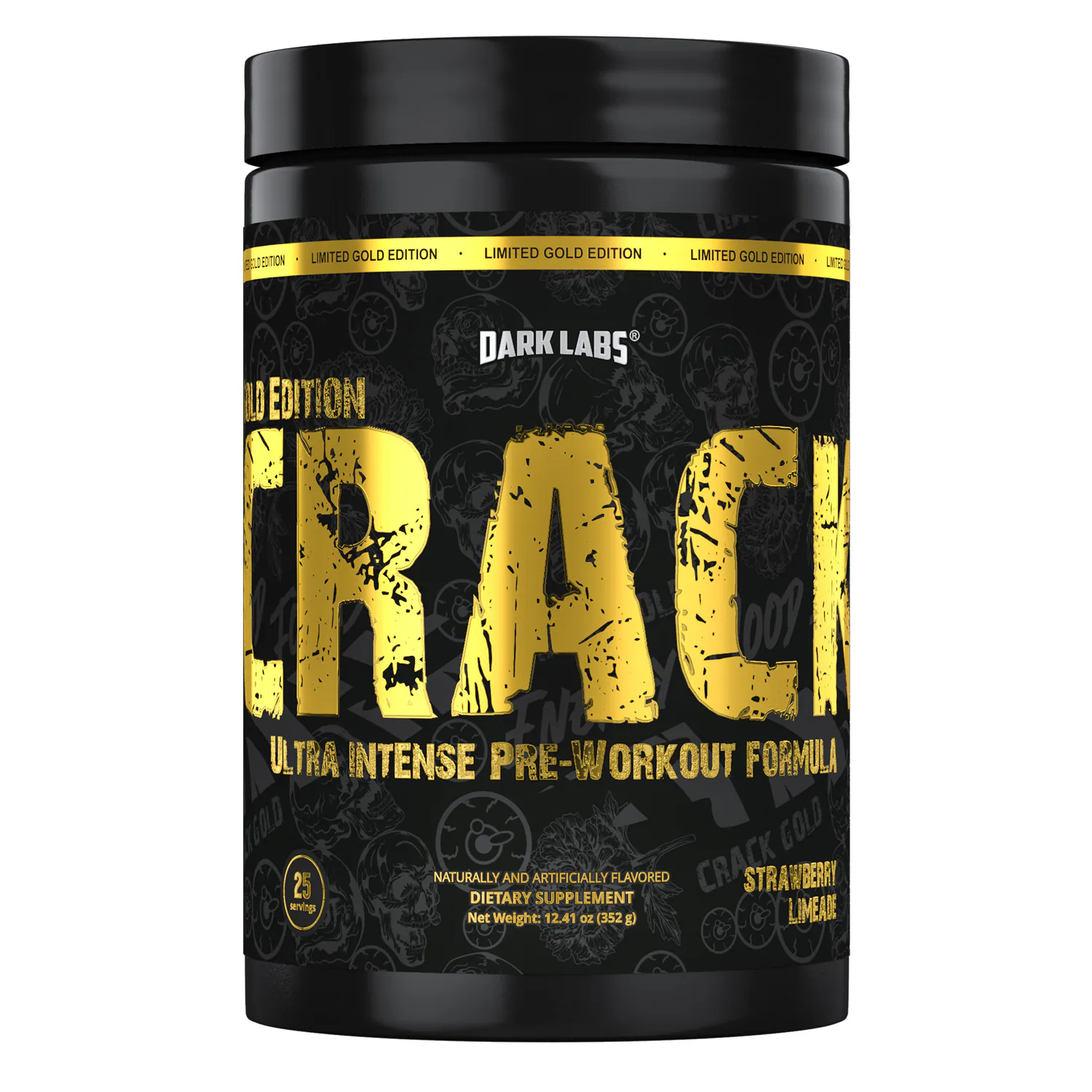
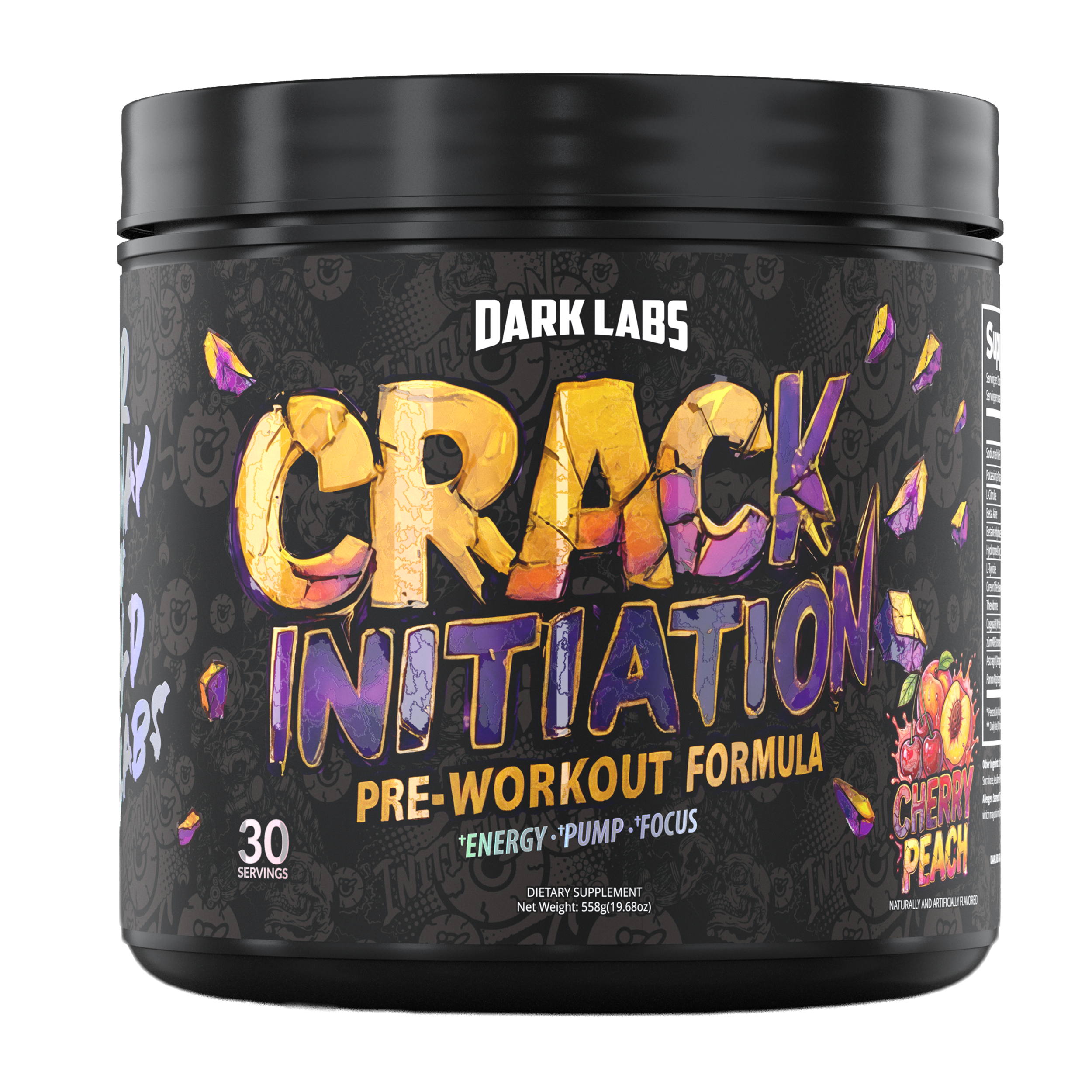
Pre-workouts come in different shapes and sizes: powders, capsules, or ready-made drinks. This way, you can consume pre-workouts in the most suitable form for you. Don’t worry if you don’t like supplement drinks – you can choose capsules. And if that’s not for you, take powder instead. Plus, you can switch between options over time, so you’ll never get bored.
The main driver behind the energy boost in many pre-workouts is caffeine. However, they often contain other ingredients designed to support different aspects of performance. Below is a list of some popular pre-workout ingredients:
- Caffeine: A well-known stimulant for energy, focus, and alertness. It typically takes around 30-60 minutes to reach peak levels in your bloodstream.
- Beta-Alanine: An amino acid that helps buffer acid buildup in muscles during intense exercise (lasting roughly 1-10 minutes), potentially improving endurance and allowing for more reps. Consistent daily intake is key for its effectiveness, but taking it pre-workout means you'll likely feel its characteristic tingling sensation (paresthesia) during your session. This tingling is harmless.
- Creatine: Often included for its proven benefits in strength and power output. However, creatine works best through consistent daily loading, so its presence in a pre-workout is more about convenience than immediate timing-dependent effects for that specific workout.
- L-Citrulline/Arginine: Amino acids aimed at boosting nitric oxide production, which can improve blood flow to muscles (the "pump").
- Carbohydrates: Provide a direct source of energy.
- B Vitamins: Involved in energy metabolism.
- Other ingredients noted in original: Beta Phenylethylamine, Agmatine Sulfate.
Why should I want to take pre-workouts?
Taking pre-workouts at the right time can give a significant boost to your training sessions, leading to more efficient workouts and potentially less fatigue afterward. The main potential effects are:
- Having more energy: Primarily due to caffeine, pre-workouts provide an energy boost, helping you power through intense workouts. You can use this strength to potentially burn more calories or lift slightly heavier weights, increasing training efficiency.
- Being more focused: Ingredients like caffeine can increase concentration, helping you maintain proper form and technique, which is crucial for effective and safe training.
- Boosting your endurance: Certain ingredients, like beta-alanine, help combat muscle fatigue, potentially allowing for longer training durations or more repetitions. This can be valuable if you have limited days for gym visits, enabling you to maximize the effectiveness of each session.
When to take pre-workouts?
As the name suggests, pre-workouts should be taken before your workout. However, timing is crucial for effectiveness. You need to give the ingredients time to be absorbed and start working.
The Optimal Window: 30-60 Minutes Before Exercise
The generally recommended time to take your pre-workout is 30 to 60 minutes before you start your training session. This timing allows the active ingredients, especially stimulants like caffeine, to be absorbed and reach peak levels in your bloodstream right as you begin exercising. This helps ensure you feel the energizing and focus-enhancing effects when you need them most.
Why Timing Matters
- Peak Effectiveness: Taking it within this 30-60 minute window aligns with the absorption time for key ingredients like caffeine.
- Avoid Taking Too Early: Consuming it too far in advance (e.g., hours before) might mean the effects start to wear off before or during your workout.
- Avoid Taking Too Late: Drinking it just as you walk into the gym won't give the ingredients enough time to work effectively from the start.
Finding Your Personal Sweet Spot
While 30-60 minutes is a solid guideline, listen to your body! Factors like:
- Your metabolism: Some people process ingredients faster than others.
- Sensitivity: How sensitive you are to stimulants like caffeine.
- Stomach contents: Taking pre-workout on an empty stomach may lead to faster absorption but could potentially cause stomach upset for some. Taking it after a large meal can slow absorption. Experiment to see what feels best – perhaps a small carbohydrate snack 30 minutes before your pre-workout if taking it totally empty doesn't suit you.
Start with the 30-45 minute mark and adjust based on your experience. You might find 30 minutes is perfect, or you might prefer closer to 60 minutes.
Evening Workouts & Sleep
Remember the caffeine content! If you train in the evening, taking a stimulant-heavy pre-workout too late (e.g., within 4-6 hours of bedtime, though this varies) can interfere with your sleep. Quality sleep is vital for recovery and results. Consider a stimulant-free pre-workout or taking your caffeinated one earlier if you work out late.
Hydration
Stay hydrated! Pre-workout ingredients often work best when you are well-hydrated. Drink water before, during, and after your workout.
How to choose pre-workouts?
Knowing when to take pre-workouts is key, but choosing the right one is also important. Consider these aspects:
- Your aim: Are you focused on endurance, strength, muscle gain, or fat loss? Different formulas may emphasize ingredients suited for specific goals. Read product descriptions to find one that aligns with your objectives.
- Your experience: Some pre-workouts are very potent and might not be suitable for beginners. Conversely, if you've used pre-workouts for a long time, you might need a different formula or consider cycling off stimulants periodically to maintain sensitivity. Start with a lower dose (e.g., half a scoop) to assess your tolerance, especially with new products containing stimulants or beta-alanine.
- Ingredients and Dosage: Check the label to see what ingredients are included and in what amounts. Always follow the manufacturer's recommended dosage instructions found on the packaging.
- Your preferred form: Powder, capsules, or drinks? Choose the form you find most convenient and enjoyable. Feeling good about taking your supplement is part of the overall positive training experience.
The Takeaway
Pre-workouts are supplements containing ingredients like caffeine, amino acids, and vitamins, designed to enhance workout performance by boosting energy, focus, and endurance.
To maximize their benefits, the optimal time to take them is generally 30 to 60 minutes before starting your workout. This allows key ingredients time to absorb and reach peak effectiveness.
However, individual factors matter. Pay attention to how your body responds and adjust your timing within this window. Always follow the product's dosage instructions, consider starting with a smaller dose to assess tolerance, and be mindful of caffeine intake, especially for evening workouts. Choosing a pre-workout that matches your goals, experience level, and preferences will help you get the most out of your supplement and your training.
If you consider using pre-workouts, but you are afraid that it might interfere with your other supplements, check our article on whether you can mix creatine with pre-workouts.
What are pre-workouts and how can they enhance your training?
Pre-workouts are supplements that contain a mix of ingredients like caffeine, amino acids, and other stimulants. They enhance your training by providing increased energy, reducing fatigue, and improving workout efficiency.
When is the best time to take pre-workouts?
The best time to take pre-workouts is 30-45 minutes before your training session. This gives the supplements enough time to take effect and provide the desired boost in energy and performance.
How do I choose the right pre-workout?
When choosing a pre-workout, consider your goals, experience level, and preferred form. Determine whether you want to focus on weight loss or muscle building, select a pre-workout suitable for your experience level, and choose a form (powder, capsules, or drinks) that you find most convenient and enjoyable.
Read more
Do you need a boost of energy before hitting the gym? If you’re looking for an effective pick-me-up, there are a few products that can help you. While millions of people rely on caffeine in coffee ...

Pre-workout supplements are booming in popularity, and it's easy to see why, given the edge they can give our training sessions. Since these supplements share several active ingredients with famili...