





Compound vs Isolation Exercises: Which Is Better?
When it comes to building muscle and improving strength, the debate between compound exercises vs isolation exercises has raged on since the very start. At a basic level, the answer seems simple: compound exercises provide a wider range of benefits, from improving functional strength to maximizing time in the gym. But the truth is the “better” choice” often depends on your individual goals, and the isolation exercises pros should not be discounted. In the end, a mix of both is likely the best—it’s the ratios and practical considerations that are up for discussion.
Compound Exercises vs Isolation Exercises: Definition
Let’s start the discussion off by establishing a few foundational definitions for a better understanding of the topic.
Compound Exercises
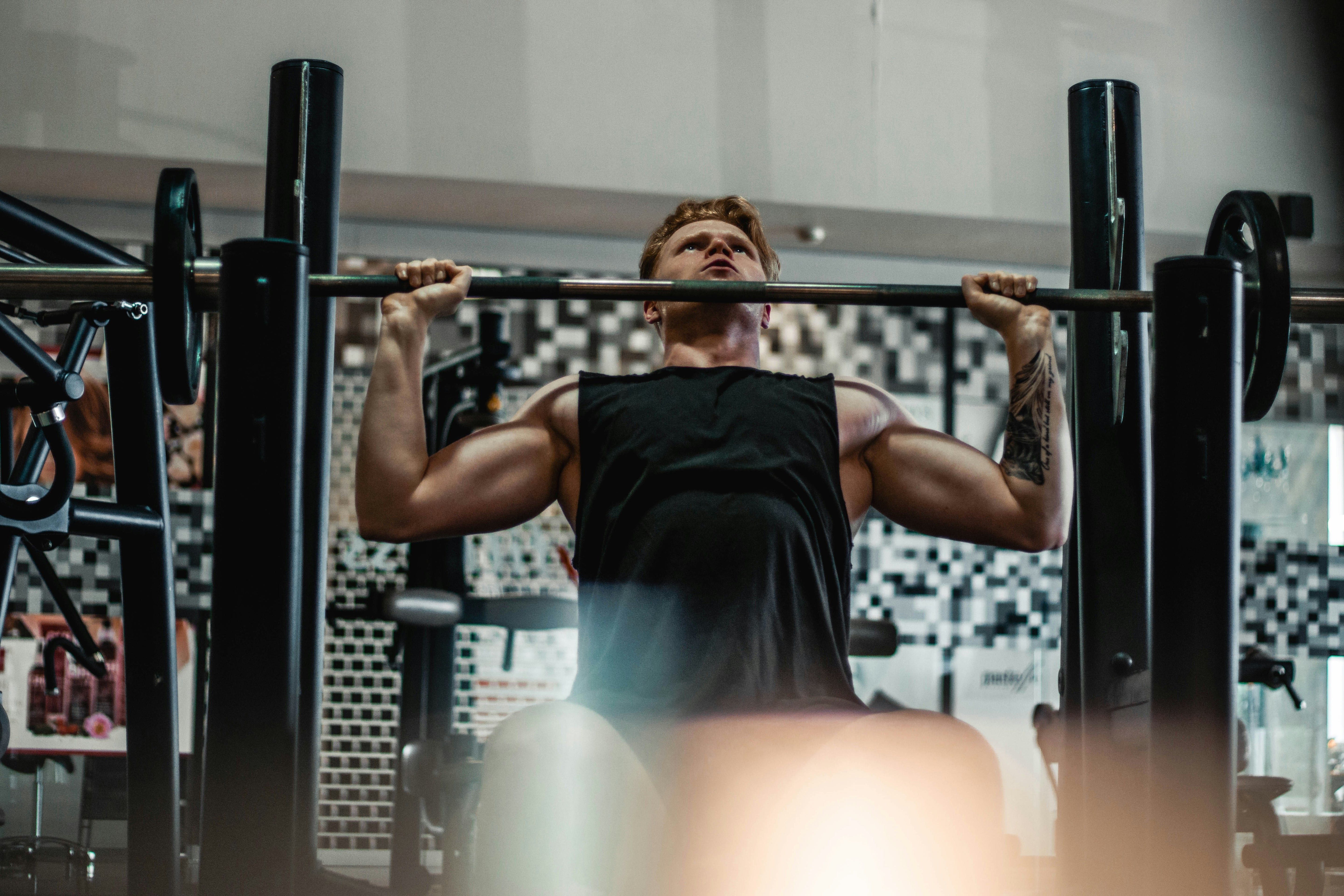
In the simplest terms possible, compound exercises are movements that, when performed correctly, incorporate motion across several joints. An overhead press, for example, is a compound exercise: to move the weight up, your triceps extend at the elbow joint while your delts (primarily the anterior head) flex at the shoulder joint. To bring it back down, your triceps flex and your shoulders extend, bringing you back to a neutral position. On top of that, there’s also some minimal movement in the hips and the knees, though that’s not the focus of the exercise.
The main point of compound exercises is twofold:
- First, you create a powerful stimulus for your body, requiring strength, stability, and coordination across multiple points in the kinetic chain. For this reason, compound exercises are often praised, as they give “the most bang for your buck” in terms of time spent vs. the potential strength gains you make.
- Second, compound exercises allow you to train multiple muscle groups simultaneously, leading to better overall muscular development and improved energy expenditure.
This efficiency is a key reason why coaches, professionals, and other top-level athletes prioritize compound exercises in their programming. They’re optimal from both a muscle-building and strength-building perspective, and you can get a monstrous amount of work done in just a few exercises.

Isolation Exercises
Conversely, isolation exercises only involve movement across a singular joint at a time—a bicep curl is a classic example. In this movement, only the elbow joint is involved, as the biceps brachii contracts to flex the arm in the concentric portion of the movement and extend in the eccentric.
Unlike compound exercises, isolation exercises are designed to target specific muscles more directly, making them ideal in several scenarios:
- You’ve got weaknesses in specific muscles that need addressing to improve performance or aesthetics,
- Correcting muscle imbalances by incorporating unilateral training,
- Rehabilitation or recovery and strengthening the specific muscle helps get you back to 100% health faster without placing unnecessary strain on other joints or muscle groups,
- Pre-fatiguing muscles before shifting to compound exercises to maximize fiber recruitment during the compound exercise.
Compound Exercises: Benefits and Downsides
As mentioned, compound exercises often form the backbone of any solid training program. No matter if you’re a beginner bodybuilder or have made the gym your second home—odds are compounds are on the menu every time you train. They offer incredible benefits for building muscle and improving overall fitness due to their efficiency and versatility.
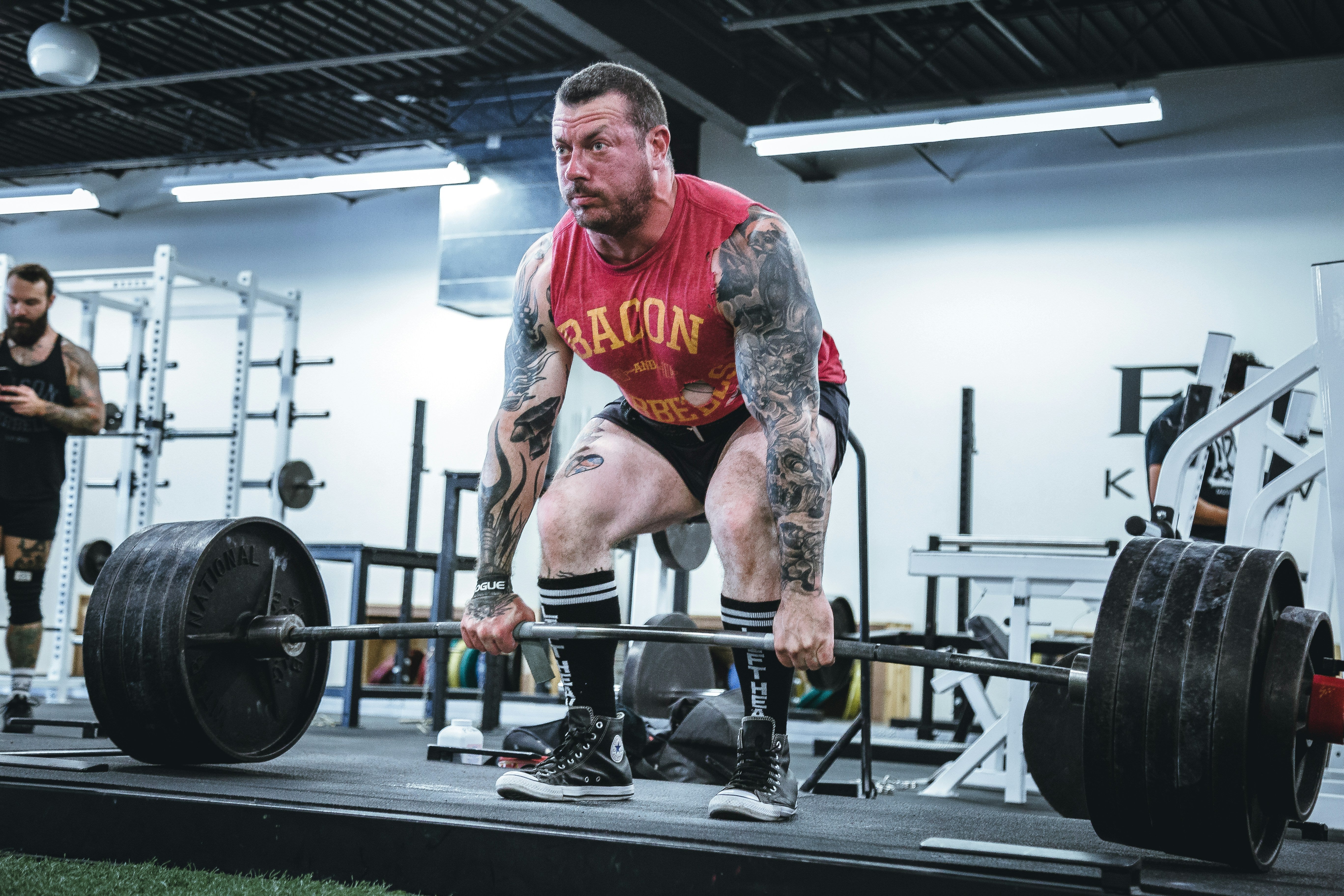
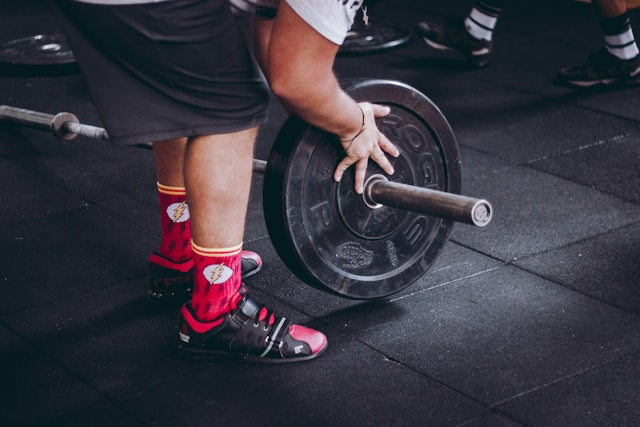
One of the biggest benefits of compound exercises is their ability to maximize time in the gym. Exercises like squats, deadlifts, and bench press work several large muscle groups simultaneously, allowing you to train your entire body with fewer movements. Renowned training programs like Stronglifts 5x5 are as popular and evergreen primarily due to this reason.
Additionally, compound lifts promote functional strength by mimicking real-life movements to a non-insignificant degree. Deadlifts work your entire back and core, replicating the motion of lifting heavy objects off the ground. Bench press and overhead press improve your upper-body stability and pushing power. These movements are excellent for developing balance, coordination, and core stability.
However, compound exercises are not without their downsides:
- Steeper Learning Curve: Proper execution of these lifts using good technique requires knowledge of biomechanics and lots of practice. Mistakes can lead to injuries, especially under heavy loads.
- Risk of Overcompensation & Injury: When done improperly, under excessive fatigue, or without an adequately strong mind-muscle connection, you could end up sacrificing technique just to get the weight up. This often involves recruiting weaker muscles to compensate, which can also lead to injury.
- Fatigue: Compound exercises are more fatiguing, meaning you can do less volume each workout if you only add those to your program.
Isolation Exercises: Pros and Cons
When it comes to isolation exercises, pros include addressing muscle imbalances to even out strength disparities, their use in rehabilitation without placing strain on other muscle groups or joints, and the ability to effectively sculpt specific muscles by focusing on shape and definition. They’re also fantastic for building your mind-muscle connection, especially when performed in a deep stretched position. Additionally, isolation exercises offer incredible variety, meaning you can switch things up in your workouts to stay motivated in your training.
If any of these cases reflect your fitness goals, incorporating isolation exercises into your routine is a must.
As you expect, though, this does not mean that isolation exercises aren’t without their limitations:
- Performing them can be time-consuming since only one muscle group is targeted at a time, and generating a large enough stimulus to trigger muscle growth takes more effort.
- Isolation exercises often fall into the trap of lacking functional benefits. For example, it’s hard to imagine a scenario where you can replicate the movement of a calf raise, lateral raise, or hamstring curl.
- Additionally, most isolation exercises do not teach you coordination or core stability, which, while not absolutely necessary, constitute abilities that are great for athletes in general.

The Takeaway – What’s the Best Approach?
The debate between compound exercises vs isolation exercises isn’t about choosing one exclusively over the other—it’s about finding the right balance. The best approach will depend on your goals, experience level, and available time.
For most lifters, a mix of both is optimal. It lets you structure your workouts practically with the more taxing compound movements at the start and targeted isolation exercises at the end of each session. If you want to build muscle faster, incorporate both into your program to maximize strength, hypertrophy, and injury prevention.
You may also read: The Importance of Rest Days.
What is the main difference between compound and isolation exercises?
Compound exercises involve movement across multiple joints, targeting several muscle groups simultaneously, while isolation exercises focus on a single joint and target one specific muscle group.
What are the main benefits of compound exercises?
Compound exercises maximize time efficiency, build functional strength, promote muscle coordination, and target multiple muscle groups simultaneously, making them ideal for overall fitness and strength building.
When should isolation exercises be prioritized?
Isolation exercises should be prioritized when addressing muscle imbalances, during rehabilitation, or for specific aesthetic goals, as they allow targeted muscle focus and minimal strain on other joints or muscles.
What is the best way to incorporate both compound and isolation exercises into a workout?
Start your workout with compound exercises for maximal strength and efficiency, then finish with isolation exercises to target specific muscles and enhance muscle definition or address weaknesses.
Read more

Rest is the often underestimated third pillar of muscle protein synthesis. Overshadowed by heavy lifting and consuming copious amounts of protein, sleeping enough and resting are simply not conside...
Muscle memory sounds almost magical, as if your biceps and quads have tiny brains that remember how to perform an exercise on their own. But what is muscle memory, really? The science behind muscle...