

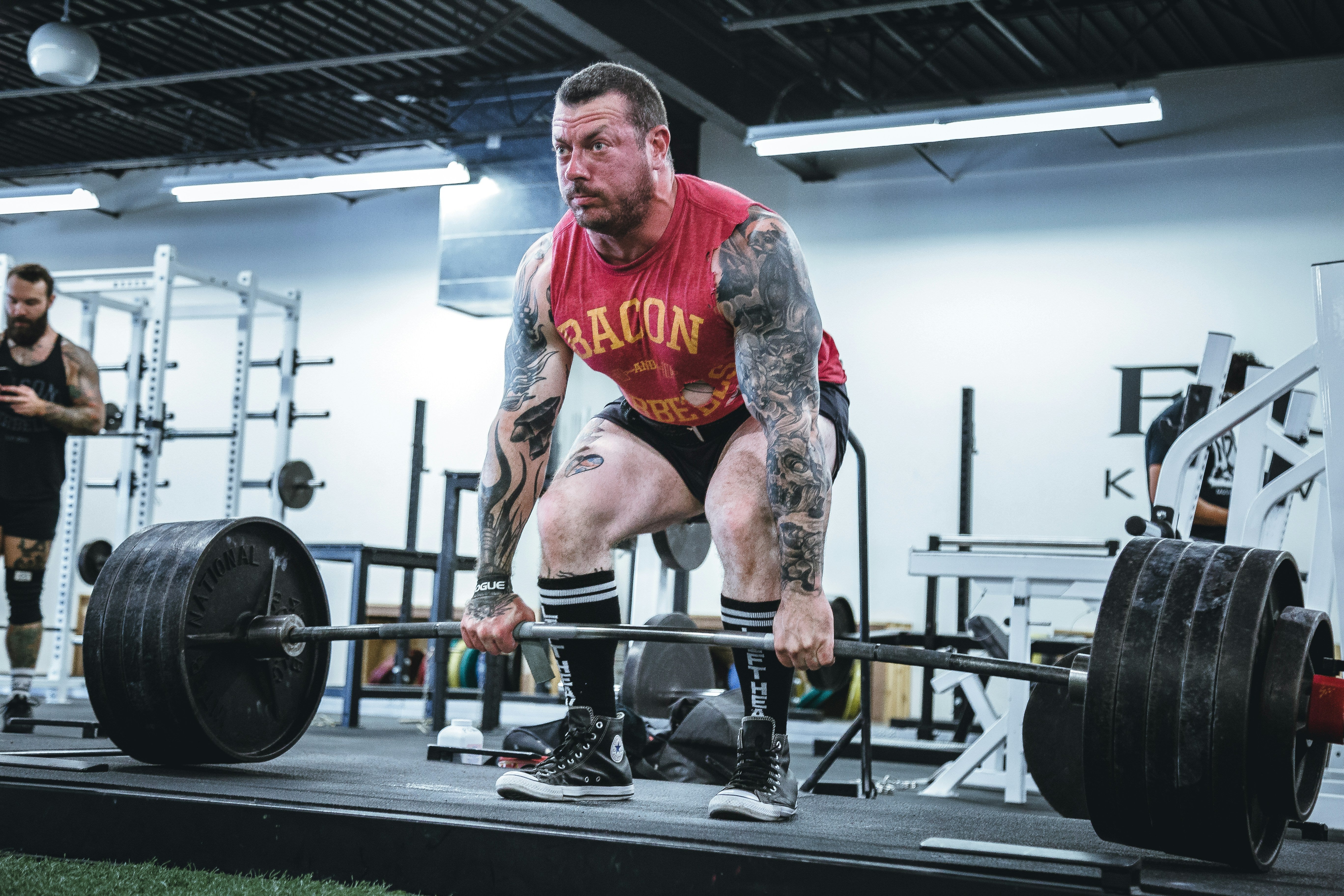










The Importance of Rest Days
Rest is the often underestimated third pillar of muscle protein synthesis. Overshadowed by heavy lifting and consuming copious amounts of protein, sleeping enough and resting are simply not considered to be glamorous enough to warrant attention. But did you know that the importance of rest days—and proper sleep—actually has the most impact on your overall muscle growth out of the three factors? Our bodies can’t function without sleep, and muscles can’t be built without rest. Though it may seem counterproductive to give yourself a break every now and then, there are definite, science-backed arguments for it. Read on to find out more about the importance of rest days in training.
Why Rest Is Important in Training
As active individuals who train several times a week, all athletes—whether they’re hypertrophy-focused gymgoers or avid runners who focus on endurance—ought to be aware of the importance of rest days and sleep in their training regimen.
Per the intro, adequate rest is considered the third pillar of muscle building. The other two are certainly well-known to you: training hard (factoring in progressive overload) and eating sufficient protein, ideally in a caloric surplus. The former provides your body with a stimulus to actually cultivate new muscle growth, while the latter serves as the fuel with which your body builds muscle. Simple, right?
But here’s where rest days come into play. While overall rest (i.e., adequate sleep) is crucial for daily recovery, specific rest days are just as vital in the long-term strategy for physical and mental recovery. Incorporating rest days into your routine allows your body to recover from central nervous system fatigue, prevent overtraining, and ultimately enhance performance.

The Importance of Rest Days for Muscle Growth
During training, your body accumulates fatigue. Not just in the short term, mind you—of course, there’s the kind of immediate fatigue you feel during a set that won’t allow you to continue repping out a set indefinitely. But over the long term, you also build up central nervous system fatigue (also called central fatigue), which affects your exercise performance and muscle function.
Now, crucially, adequate sleep helps stave off these negative effects. However, due to several factors, including stress, aging, or genetics, even a regular sleep schedule can never fully eliminate this fatigue if you keep working out hard just as regularly. A tiny bit of accumulated fatigue will persist—and continue to grow—as your intensive workouts start taking a noticeable toll. Over time, this lingering fatigue can build to a level that sleep alone can no longer fix, which is where rest days become indispensable.
What Are the Benefits of Incorporating Rest Days?
A rest day can be essential for recovery and maximizing performance during training. Beyond the obvious aspect of muscle repair, rest days prevent overtraining, which impedes your body’s ability to recover and leads to decreased performance. They also give you a chance to reset your tolerance to pre-workouts, albeit very slightly.
An often overlooked aspect is the aforementioned CNS fatigue. While your muscles may feel ready to go, your nervous system can take longer to recover. Rest days are essential for reducing this type of fatigue.
Lastly, rest days offer mental benefits. It’s good to take some time off from the gym to prevent oncoming burnout and keep yourself motivated and disciplined to hit the weights the next time around.
What a Rest Day Isn’t
Contrary to popular belief, a rest day doesn’t mean lying on the couch and doing nothing all day. While complete inactivity might occasionally be necessary, most rest days are about giving your body a break from intense exercise—not abandoning movement entirely. Need ideas? You’ll find them in the next section!
What a Rest Day Is (or Can Be)
A rest day is the perfect time to introduce some light activity to promote recovery while still getting that kick of endorphins.
- Walking is a fantastic activity for a rest day. It’s low-impact, can be done anywhere by anyone, alone or with others, and gets you outside, breathing in the fresh air.
- Stretching or yoga helps improve your flexibility, mobility, circulation, and range of motion. And let’s be honest, most of us don’t have enough of all of these.
- Low-intensity steady-state cardio activities like casual biking, swimming, or playing with your dog/kids can provide movement without taxing your CNS.
- Hobbies or relaxation: Spending some time doing the things you love can give you time to mentally recharge.

How Often Should You Take Rest Days
By now, we’ve hopefully hammered the importance of rest days home. But what’s the verdict on their frequency? That depends on a few factors: your lifestyle, training intensity, and recovery needs.
- If you work a physically demanding job and train four, five, or maybe six times a week, consider adding at least one more rest day to prevent burnout and accumulating CNS fatigue.
- Remember that life gets in the way, and you may not always get to work out whenever you’d like to—it’s like nature’s rest day being gifted to you! If that happens to you often, rest days may not be something you need to be too concerned about.
- However, if you still feel fatigue picking up, consider reducing your workout intensity to keep recovery manageable.
Okay, and how about a workout tip for beginners: at the start of your journey, you typically don’t need to worry about rest days. This is because your training volume and intensity are unlikely to push you into that zone of extreme fatigue, where you need to start worrying about accumulating stress and thinking of ways to alleviate it.
However, prescriptive advice aside, all trainees should always prioritize listening to their bodies. Nobody knows yourself like you do. If you’re constantly fatigued, lacking motivation, plateauing all too frequently, or seeing consistent drops in performance, it’s likely time for a break. Remember, rest isn’t a weakness; it’s a tool for progress. Your muscle memory will still kick in and allow you to execute flawlessly, even if you take a break here and there!
The Takeaway
Hopefully, we’ve precisely illustrated the importance of rest days and debunked some myths along the way. We strongly recommend you take advantage of them—you’d be surprised at how much of a boost they can give you when utilized properly!
You may also read: Compound vs Isolation Exercises: Which Is Better?
Why are rest days important for muscle growth?
Rest days are crucial because they allow your body to recover from accumulated central nervous system (CNS) fatigue and muscle fatigue. They help prevent overtraining, improve performance, and enable muscle repair, ultimately enhancing muscle growth.
What are the benefits of taking rest days?
Rest days provide physical recovery, prevent overtraining, reduce CNS fatigue, and offer mental benefits like preventing burnout and maintaining motivation. They also help reset your body’s tolerance to pre-workouts and improve overall performance.
How often should someone take rest days?
The frequency of rest days depends on lifestyle, training intensity, and recovery needs. Typically, those with high training volumes or physically demanding jobs should include at least one to two rest days per week. Beginners may need fewer rest days initially.
Read more
What are the benefits of stimulant-free pre-workout mixes? Can they stand up to the supplements that contain stimulants like caffeine, or are they a waste of time? As a matter of fact, there are so...
When it comes to building muscle and improving strength, the debate between compound exercises vs isolation exercises has raged on since the very start. At a basic level, the answer seems simple: c...