


Does Creatine Help You Lose Weight?
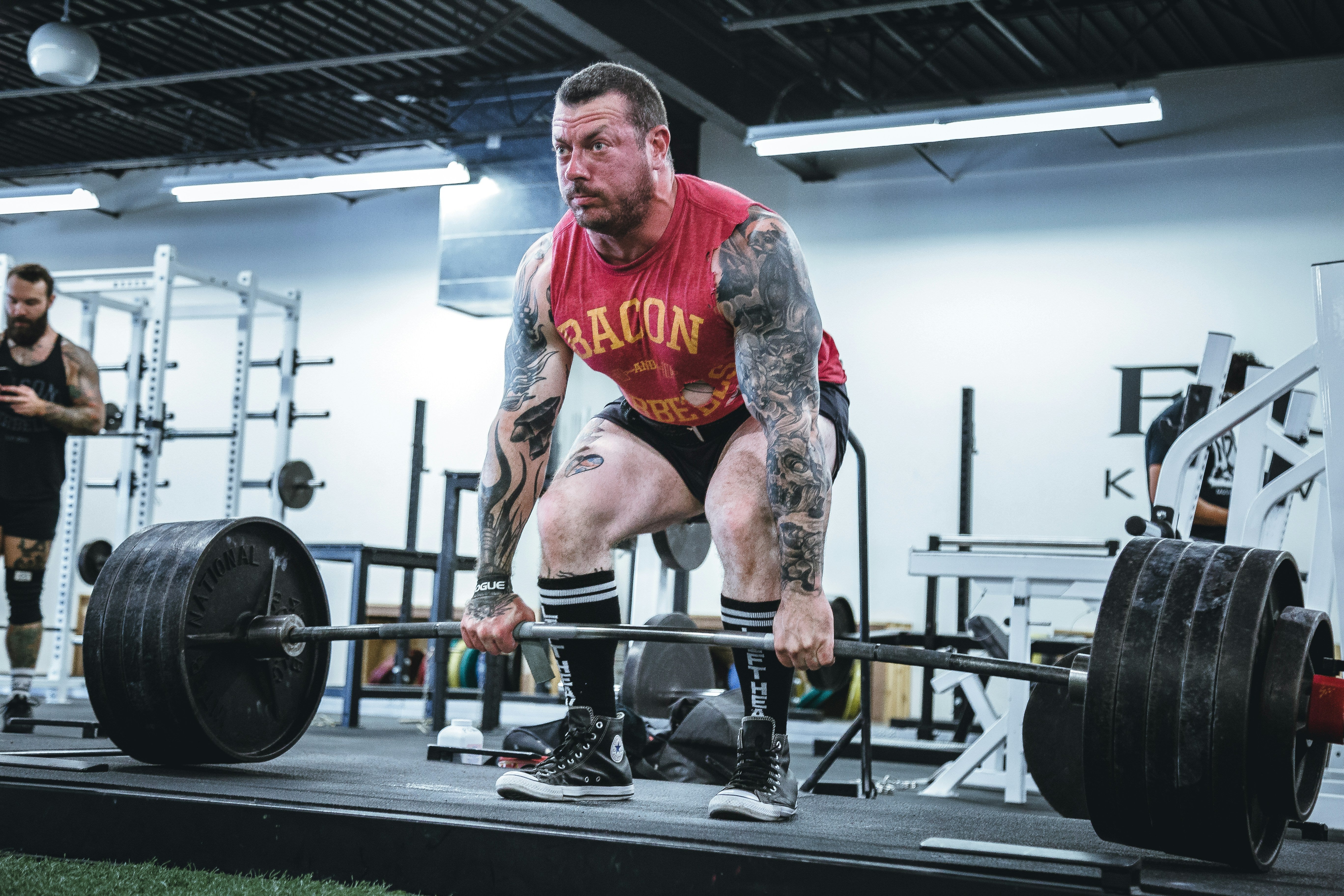
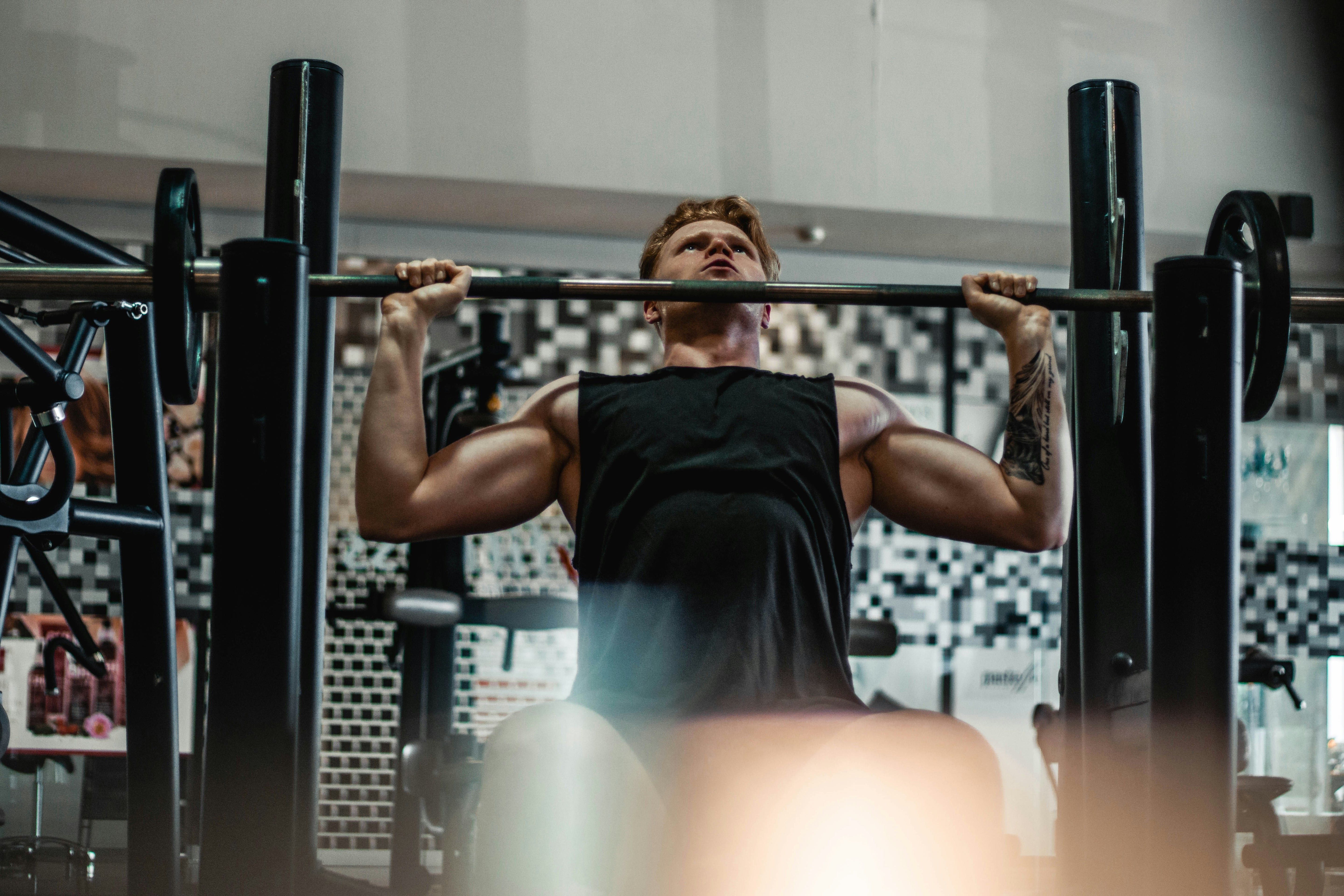
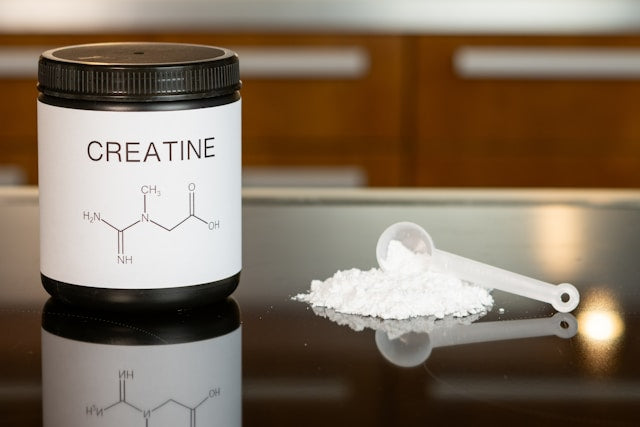
Does creatine help you lose weight? The short answer is: indirectly, yes. Creatine itself doesn’t burn fat, but its benefits can support weight loss efforts by proxy. After all, the supplement has become a staple in the fitness community for a reason. It’s among the most tested and verified compounds in the world and is 100% proven to increase strength and power output, allowing for more intense workouts. This increased intensity can lead to greater calorie expenditure and muscle growth, both of which contribute to a healthy weight loss process. Curious about the science behind it? We cover exactly how you can use creatine to lose weight and provide extra practical guidelines. Read on to learn more!
How Does Creatine Work, Exactly?
To determine whether creatine has the potential to help you lose weight, we should first take a look at its effects up close and understand its mechanisms.
Creatine is one of the most widely used supplements across the world of fitness. As a compound, it is found naturally in many foods, particularly in meats like beef or poultry, but also in vegetables like broccoli or spinach, as well as many others.
Our bodies’ natural biological capabilities allow us to use creatine as part of a complex set of mechanisms called the phosphagen energy system, which provides rapid bursts of energy. This system is crucial during high-intensity, short-duration activities like sprinting or weightlifting.
To perform these activities, your cells need ATP, which gets depleted rapidly. However, pre-loading your muscles with creatine to increase stores in advance lets you generate ATP much quicker on demand, allowing you to sustain high-intensity efforts for longer.
In practice, these mechanisms allow you to:
- Increase your strength and power output: Deeper energy reserves mean more reps, heavier lifts, and better performance.
- Improve your workout capacity: With more ATP readily available, you can train harder and longer, leading to more calorie burn.
- Faster recovery between sets: More energy also means shorter rest times to intensify your workouts further.

The Role of Creatine in Losing Weight
So, does creatine help you lose weight? By itself, no, it doesn’t. However, through the mechanisms outlined above, indirectly, it can greatly contribute to the effectiveness of your workouts and create a greater caloric demand. But that’s not all.
You’ve probably heard that most people who take their training seriously use creatine supplements to get more jacked and build more muscle. This also relates back to the overall weight loss effect. You see, muscle gain and fat loss are closely related—the more muscle you build, the easier it gets to burn fat, meaning both effects springboard off of each other the better you get at doing either.
Here’s how creatine contributes to a leaner physique:
Increased Muscle Mass & Higher Resting Metabolism
As opposed to fat, muscle tissue is metabolically active, meaning it burns more baseline calories just to sustain it. The more you build, the more energy your body requires throughout the day. This creates a higher total daily energy expenditure, which is essential for weight loss.
Improved Strength and Workout Efficiency
As mentioned, creatine enables you to lift heavier for longer and for more reps, increasing the number of calories burned during training. Now, on its own, this number isn’t really high enough to consider it significant but keep in mind we’re talking about a long-lasting commitment. Over time, even incremental increases can tip the scales in your favor more than you’d believe.
Enhanced Recovery and Training Frequency
Since creatine also speeds up recovery between workouts by reducing muscle fatigue and damage, you can train more frequently and maintain a higher overall activity level.
Better Retention of Lean Mass in Caloric Deficits
Those who know how to bulk properly will disagree with me here, but the cutting phase is a real pain, especially when you have to contend with all the muscle you’ve built up seemingly falling away as you reduce calories. Well, creatine is here to save the day again, as it helps preserve lean muscle tissue in a caloric deficit, ensuring that the weight you lose comes primarily from fat reserves rather than valuable muscle mass.

Does It Actually Make You Gain Weight?
One of the most common concerns and questions concerning creatine supplementation is that it causes weight gain. While it’s true that some users see the number on the scale go up, this isn’t due to sudden fat accumulation. Instead, creatine increases intramuscular water retention—your muscles simply hold on to more water inside their cells. This can cause numbers on the scale to spike up, but it’s far from the same as gaining fat.
Furthermore, this water retention is actually beneficial. It helps your muscles appear fuller and improves hydration at the cellular level, which can aid in performance and recovery. Plus, its muscle strength-increasing effects mean that over time, further changes in weight are so much more likely to occur as a direct result of taking on more lean muscle mass, offsetting any slight weight gain from both water and fat.
Taking Creatine to Lose Weight – Addressing Common Myths
Despite its well-documented benefits, creatine is often misunderstood. Here are some common myths debunked:
- “Creatine only helps with bulking.” Well, hopefully, we’ve already shown why this isn’t exactly true. While using creatine for faster muscle gain is its number one application, the increased intensity and performance improve the effectiveness of fat loss, especially when combined with a caloric deficit and a well-structured training program that emphasizes progressive overload.
- “You have to cycle off creatine.” Research has consistently shown that there’s no need to take breaks from creatine. In fact, it’s quite the opposite—its effects persist for as long as you’re on it, meaning that, if anything, if you want to reap all of the benefits, you better prepare for the long haul.
- “Creatine causes bloating and dehydration.” The water retention associated with creatine occurs intracellularly, which actually helps improve muscle function and performance. This is also the cause of any perceivable bloating, though, after the initial loading phase, this effect should even out.
The Takeaway
Should you take creatine for weight loss? Maybe—nobody’s forcing you to. However, its catalytic effects on weight loss are undeniable, even if indirect. When to take creatine is entirely up to you.
You may also read: Will Alcohol Interact With Your Pre-Workout?
Does creatine directly burn fat?
No. Creatine doesn’t directly burn fat; instead, it boosts workout intensity and muscle growth, which can support fat loss indirectly.
Why might my weight increase when taking creatine?
Initial weight gain is from increased water retention in muscle cells, not fat, which can make the scale go up without adding body fat..
How does creatine help with weight loss if it doesn’t burn fat?
It enhances strength, power output, and recovery, allowing for more intense, longer workouts. This increased exercise capacity contributes to greater calorie expenditure and muscle building, aiding in fat loss.
Can creatine preserve muscle during a calorie deficit?
Yes. Creatine helps retain lean muscle tissue while dieting, ensuring most weight lost comes from fat rather than muscle.
Read more
To tell you exactly how to bulk properly requires building a fundamental understanding of what bulking is and what it isn’t. You see, there are plenty of misconceptions floating around these days, ...
What happens when mixing pre-workout with alcohol—do the two interact? Essentially, as with anything else, if it sounds like a bad idea, it probably is one. Pre-workout and alcohol just aren’t mean...