
Will Alcohol Interact With Your Pre-Workout?
What happens when mixing pre-workout with alcohol—do the two interact? Essentially, as with anything else, if it sounds like a bad idea, it probably is one. Pre-workout and alcohol just aren’t meant to go together, as this combination can create unpredictable and potentially harmful effects. The stimulating substances in pre-workout can mask the intoxicating effects of alcohol, leading to overconsumption and impaired judgment. Furthermore, both compounds can have dehydrating effects, and dehydration is the ultimate enemy of proper gym performance. Read on to understand the potential dangers of mixing pre-workout with alcohol.
How Pre-Workout Supplements Affect the Body
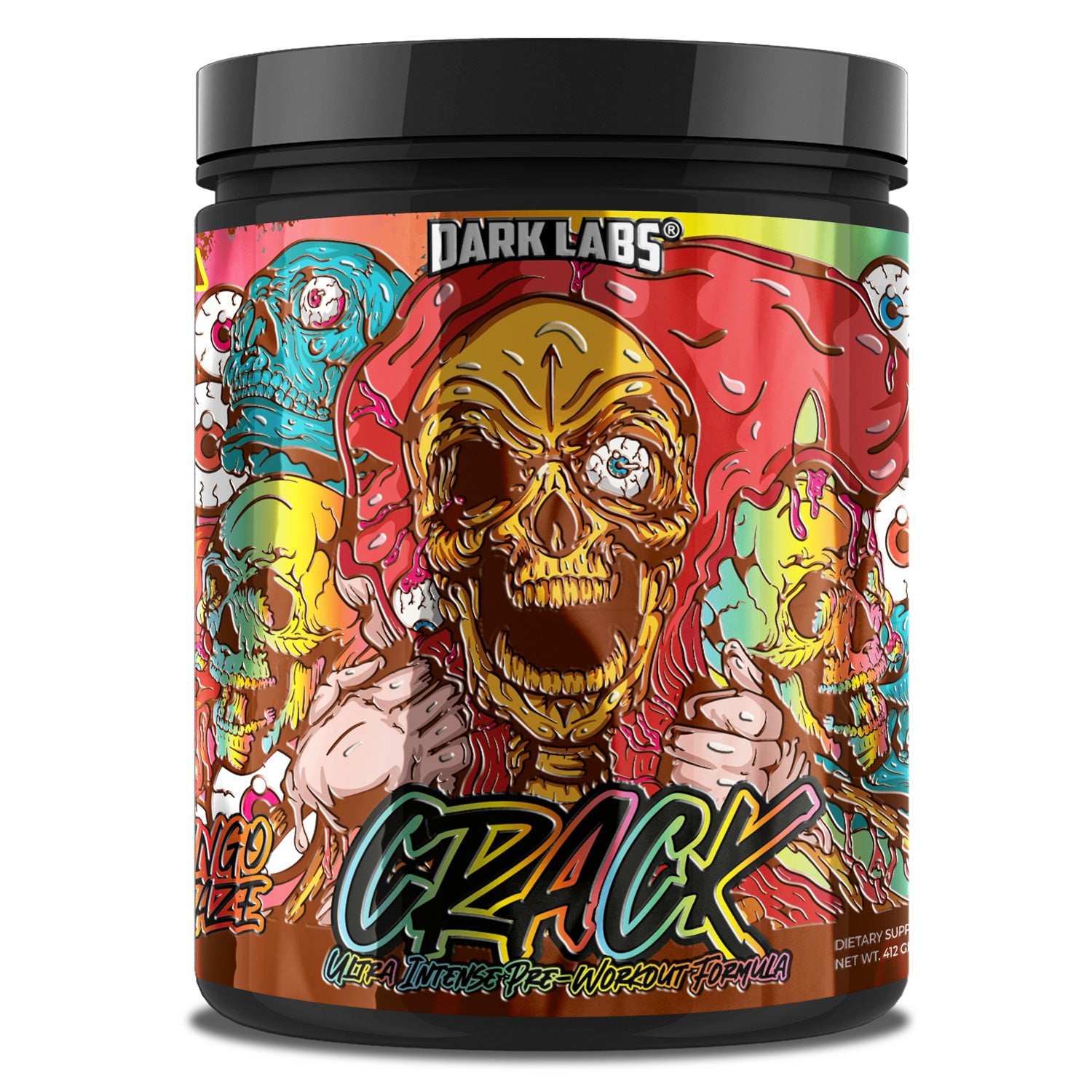
In the fitness supplement realm, pre-workout supplements are among the most popular. They are designed to enhance performance, increase energy, improve focus, and boost recovery, all with the goal of helping users push through tough workouts. But how exactly do pre-workouts work?
The answer lies in their key ingredients, which work together to prime the body for high-intensity exercise.
Common Ingredients of Pre-Workouts
- Caffeine – The most common stimulant in pre-workouts. Caffeine boosts alertness, reaction time, and endurance by blocking adenosine, which is the chemical responsible for making you feel tired. It also increases hart rate and blood pressure to make you more alert.
- Beta-Alanine – Known for causing a tingling sensation, beta-alanine helps buffer lactic acid buildup in muscles. This allows for longer, more intense workouts by delaying fatigue.
- Creatine – Often included in pre-workout formulas, creatine supplements enhance ATP production for quick energy boosts.
- Nitric Oxide Boosters – Compounds like L-citrulline, citrulline malate, arginine, and nitrate increase blood flow and oxygen delivery to muscles to improve endurance and muscle pumps.
- BCAAs – Some pre-workouts contain BCAAs to aid in muscle recovery.

Effects of Pre-Workouts on the Body
Pre-workout supplements increase energy levels, enhance endurance, and improve muscle performance when consumed before exercise. However, they also come with side effects, especially if taken in high doses. Jitters, increased heart rate, and dehydration can become common, especially when mixed in with other substances like alcohol.
While this effect may be reduced somewhat through the use of stimulant-free pre-workouts, you can’t ever truly eliminate all of it. So now, let’s further analyze how alcohol affects the body to consider whether mixing pre-workout with alcohol is safe.
How Alcohol Affects the Body
While pre-workouts and their ingredients function to stimulate the body, facilitating energy production and power, alcohol is on the complete opposite end of the spectrum. It functions primarily as a central nervous system depressant, meaning it slows down brain function and impairs coordination and reaction time.
In addition, it comes with a slew of negative effects that can cause problems:
- Dehydration and Electrolyte Imbalance – Alcohol is a diuretic, meaining it increases urine production, contributing to dehydration.
- Slowed Muscle Recovery – Alcohol impairs muscle protein synthesis, which is crucial for sustained growth and recovery.
- Reduced Strength and Endurance – Ethanol lowers glycogen levels which serve as the body’s primary fuel during workouts.
- Increased Fat Storage – From a nutritional perspective, alcohol is quite calorically dense. Consuming it can hinder fat loss and muscle-building goals.
- Disrupted Sleep – Sleeping enough is essential for recovery. Alcohol disrupts your sleep quality, decreasing the effectiveness of recovery and your overall fitness.
If you read through this list carefully, you’ll notice that several effects contradict the positives of pre-workouts while also exacerbating other, less desirable ones. For example, both caffeine and alcohol work as diuretics and can cause dehydration. Maintaining optimal water intake is crucial for effective workouts. Furthermore, since alcohol impairs coordination and endurance, it goes directly against what you’re probably aiming for when you take your pre-workout.
Irrespective of the compounded dehydration and potentially negating each other’s effects, however, the above doesn’t even begin to cover the more serious risks of mixing pre-workout with alcohol, which we’ll discuss next.
The Risks of Mixing Pre-Workout with Alcohol
Combining the two can lead to serious physical and cognitive issues:
Masked Intoxication
The stimulants in pre-workout, primarily caffeine, can make you feel more alert than you actually are, counteracting the dizziness (or drunkenness) caused by alcohol consumption. Conversely, as alcohol dumbs down your senses, you may drink more than intended, increasing the risk of impaired judgment since you’ll feel more “normal.”
Increased Heart Strain
Pre-workout supplements raise heart rate and blood pressure, and alcohol can do the same. This combination puts unnecessary strain on the cardiovascular system, increasing the risk of palpitations, dizziness, and even more severe complications for individuals with underlying health conditions.
Worse Post-Workout Recovery
Alcohol reduces protein synthesis and muscle recovery. This alone should act as a sufficient deterrent for anyone taking fitness seriously. Consuming alcohol along with your pre-workout can slow down the repair process and increase muscle soreness, ultimately hindering your progress.
Increased Risk of Injury
Alcohol impairs your motor skills, balance, and coordination. If you take pre-workout to stay alert, ingesting it with booze will still compromise your reaction time. As a result, your chance of sustaining an injury during training rises, especially if you’re lifting heavy weights or performing complex compound exercises like Olympic lifts.

Pre-Workout and Alcohol – Is There a Safe Way to Consume Both?
It’s worth highlighting that no amount of alcohol is healthy for you. Therefore, there’s no way to make it beneficial, especially not when combined with pre-workouts. If you’re going to drink, though, don’t take pre-workout and alcohol at the same time. Instead, wait at least 4 hours after your workout before consuming alcohol, drink plenty of water all throughout the day, and moderate your intake.
The Takeaway
Mixing pre-workout with alcohol is definitely not recommended. The risks—ranging from dehydration to impaired coordination and heart strain—are simply too large to ignore for the heck of it. The two substances just aren’t meant to go together, no matter how you slice it. If you’re serious about performance, recovery, and overall health, it’s best to keep alcohol consumption separate from your fitness routine.
You may also read: Does Creatine Help You Lose Weight?
Why is mixing pre-workout with alcohol a bad idea??
Both have dehydrating effects and can mask each other’s impact, increasing the risk of overconsumption, impaired judgment, and heart strain.
How does alcohol impact workout performance?
I Alcohol slows reaction time, impairs coordination, dehydrates the body, disrupts sleep, and reduces muscle recovery, which all hurt overall fitness results.
What are the biggest risks of combining the two?
Masked intoxication, increased heart strain, delayed recovery, and higher injury risk due to alcohol’s negative effects on coordination.
Can I safely drink alcohol and still use pre-workout?
It’s best to separate them. Wait at least four hours after exercise before drinking, stay hydrated, and avoid combining them to minimize health and performance risks.
Read more
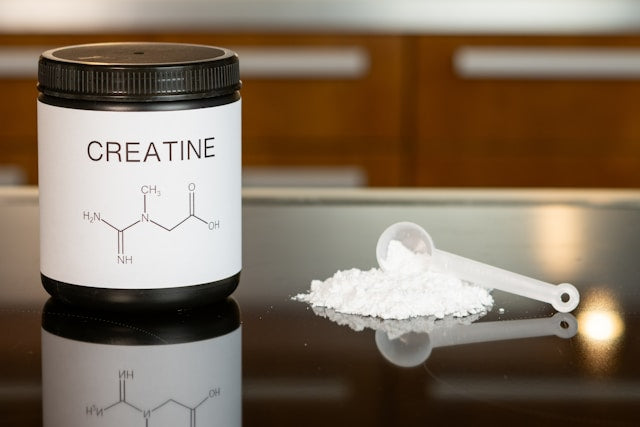
Does creatine help you lose weight? The short answer is: indirectly, yes. Creatine itself doesn’t burn fat, but its benefits can support weight loss efforts by proxy. After all, the supplement has ...
It’s common knowledge that progressive overload is what gets you gains. But if your technique is lacking, it might just be holding you back. You see, it’s not so much about how many reps you do, it...