




Hydration and Supplementation: What You Need to Know
Why does hydration matter more than you think?
Water is the unsung hero of our daily lives. Often taken for granted, it’s a must to keep every cell in our body functioning. From regulating body temperature to supporting digestion and joint lubrication, hydration is fundamental to our well-being. Think of your body as a finely-tuned machine. Water helps this machine run smoothly by ensuring that essential processes - like nutrient transportation and waste removal - occur efficiently. When you're well-hydrated, your energy levels are more stable, your mood improves, and your mental clarity is sharper. It’s like giving your body a well-oiled engine; everything just works better. At the other end of the spectrum, when dehydration sets in you might experience symptoms like headaches, fatigue, and difficulty concentrating. These are your body’s way of signaling that it’s running low on its most vital resource. For most people, aiming for around eight 8-ounce glasses of water a day is a solid rule of thumb, but your needs can vary. Factors like climate, physical activity, and diet all influence how much water you should drink. If you’re active or live in a hot climate, you’ll likely need more water. At this point it’s worth noting that hydration isn’t just about drinking plain water. Foods like fruits and vegetables (like watermelon, cucumbers, and oranges) contain a high water content and contribute to your daily intake. So, they are not only delicious but also help keep you hydrated.
Supplementation - what’s the real deal?
The world of supplements can be a bit like a treasure hunt - full of promises and potential but requiring a discerning eye to separate fact from fiction. Supplements are designed to fill nutritional gaps, enhance overall health, or support specific goals. However, they should never replace a balanced diet and healthy lifestyle.Creatine - one of the most popular players
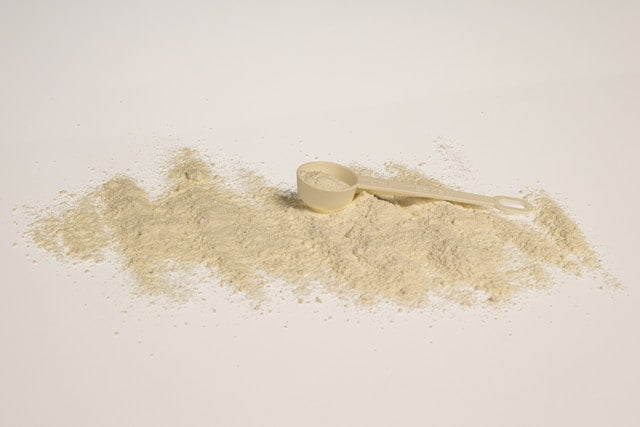
Creatine is one supplement that often comes up in health conversations. It’s a naturally occurring compound in the body that helps produce energy during high-intensity activities. While it’s most commonly associated with sports and bodybuilding, creatine can be beneficial for anyone looking to improve their energy levels and overall strength. It’s like adding a little extra fuel to your tank - helpful for intense bursts of activity or when you need a bit more endurance. Despite its benefits, creatine isn’t a one-size-fits-all solution. It’s particularly useful for short, intense efforts, but its effects might be less noticeable for prolonged activities. It’s important to use it correctly and stay hydrated, as creatine draws water into your muscles, which can increase the risk of dehydration if you’re not careful.Pre-workout supplements for energy and focus
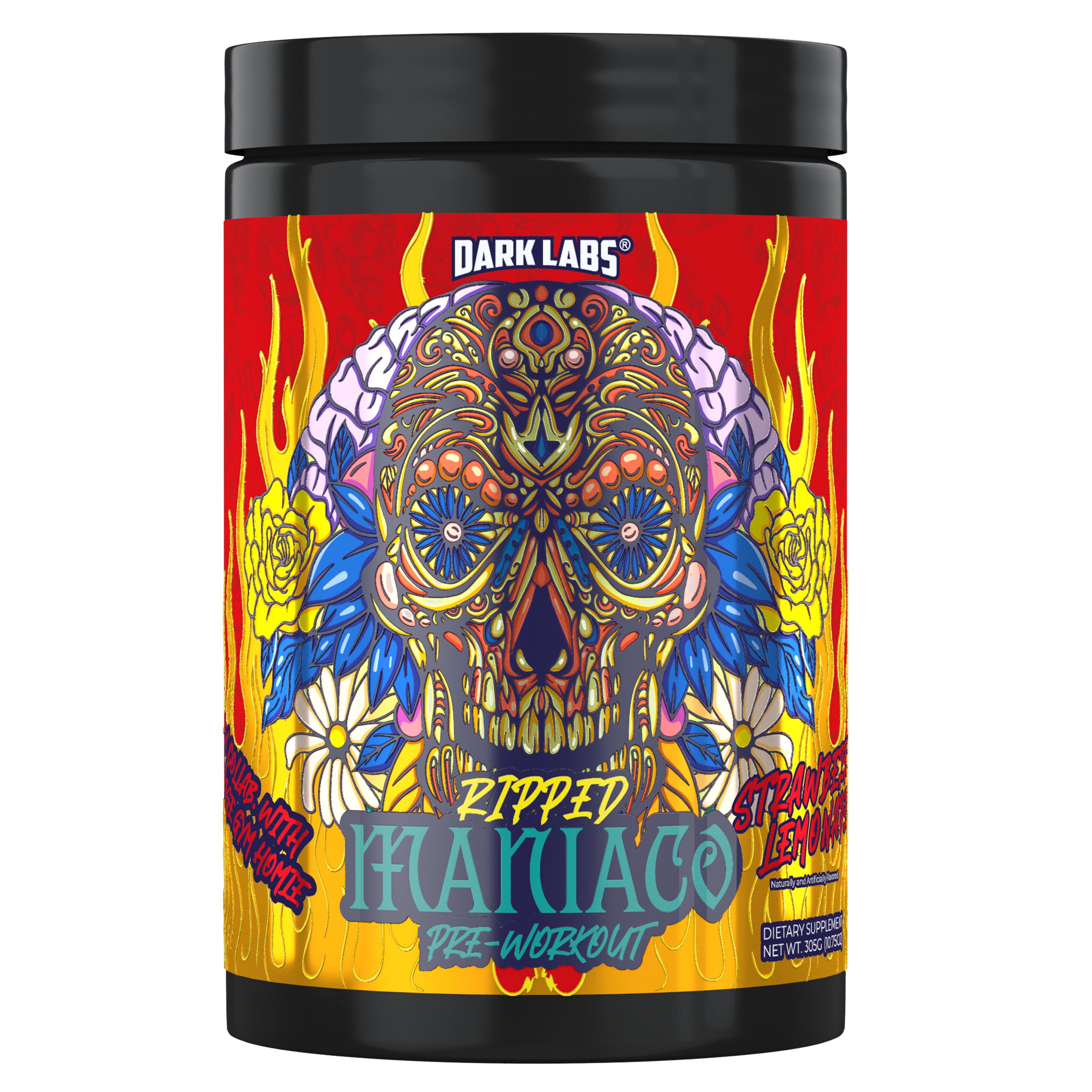
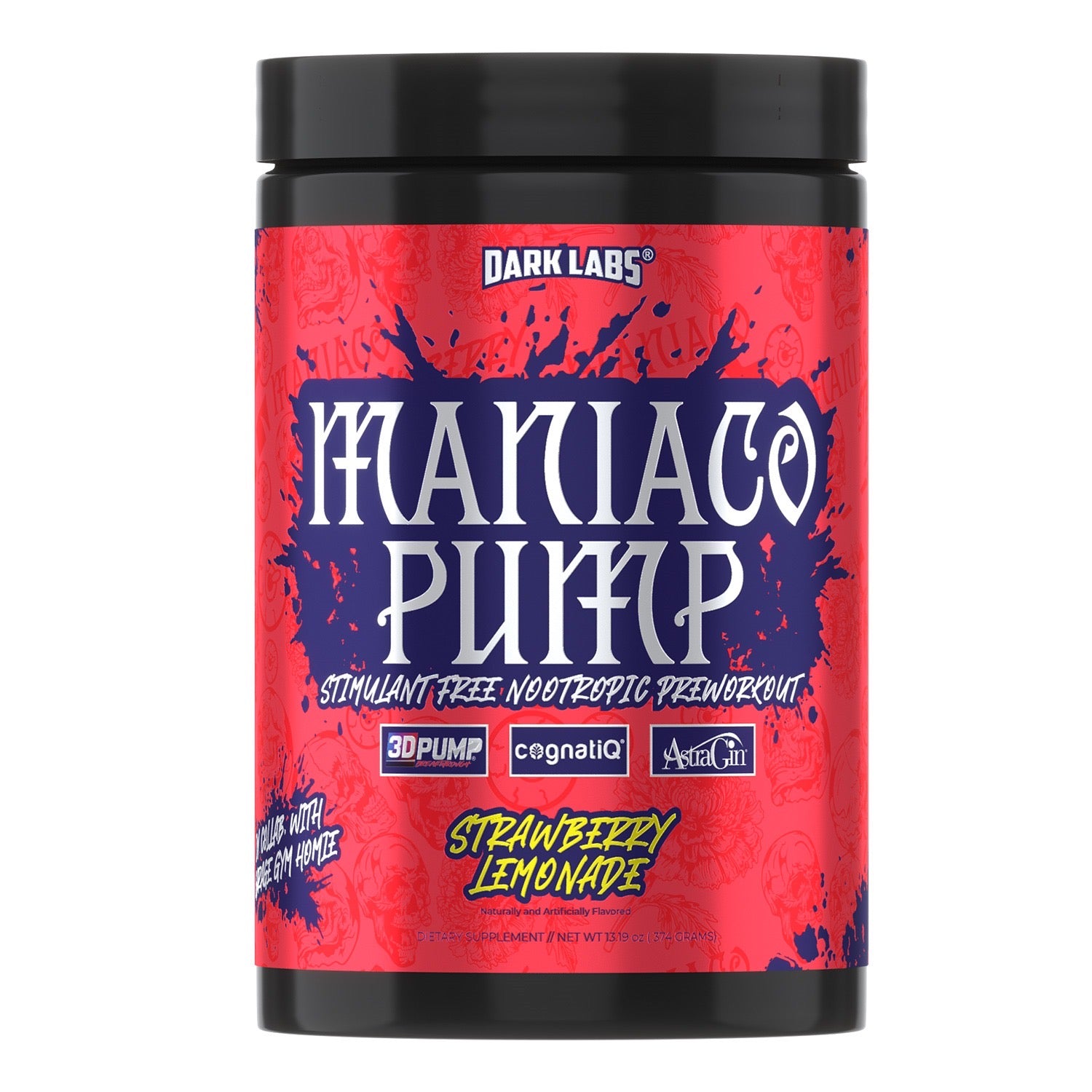
Pre-workout supplements are often marketed as the key to unlocking your full potential. They typically contain a mix of ingredients designed to boost energy, improve focus, and enhance performance. Common components include caffeine, which can help you feel more alert, and beta-alanine, which may improve endurance (see our article on the benefits of beta-alanine for athletes). While these supplements can provide a temporary boost, it’s essential to use them wisely. Overuse of pre-workouts can lead to jitteriness, digestive issues, or sleep disturbances, especially if they contain high levels of caffeine. They should complement - not replace - good nutrition and sleep. If you’re considering a pre-workout supplement, look for one with a balanced ingredient profile and avoid those with excessive stimulants.
What about fat burners?
Fat burners are another category of supplements that promise quick results. These supplements claim to boost metabolism, increase fat oxidation, or suppress appetite. While some may contain ingredients that can temporarily elevate metabolic rate, they are the most effective when combined with regular physical activity and a balanced diet. The reality is that no supplement can replace the fundamental principles of weight management - healthy eating, regular physical activity, and sufficient sleep. Fat burners might offer a slight edge, but they’re not a substitute for a comprehensive approach to health and fitness.It’s all about finding the right balance
Balancing hydration and supplementation involves understanding how each supports your overall health and well-being. Proper hydration enhances the effectiveness of supplements and helps your body function optimally. For example, staying hydrated can improve how your body absorbs and utilizes supplements, potentially enhancing their benefits. Conversely, some supplements are formulated to aid in hydration. Electrolyte supplements, for instance, can help maintain fluid balance and prevent dehydration, particularly during intense physical activity or in hot climates. The key is to find a balance that works for your body and lifestyle. Keep in mind that what works for one person might not work for another. Your individual hydration needs, supplement requirements, and overall health goals should guide your choices. Consulting with a healthcare provider or nutritionist can provide tailored advice and help you make informed decisions.The takeaway
Hydration and supplementation are important components of a healthy lifestyle, but they’re not magic solutions. Proper hydration supports overall health and enhances the effectiveness of supplements, while supplements can offer additional support when used wisely. By understanding the role of each and finding the right balance, you can improve your energy levels, well-being, and overall quality of life. As you go about your day, whether you’re tackling a busy schedule or enjoying leisure activities, keep these principles in mind. Drink plenty of water, choose supplements thoughtfully, and always prioritize a balanced diet and lifestyle. With these practices, you’ll be well on your way to feeling your best and thriving in all your endeavors.Why is hydration important for daily life?
Hydration is crucial because it keeps your body's essential processes, like nutrient transportation and waste removal, functioning smoothly. Proper hydration stabilizes energy levels, improves mood, and enhances mental clarity.
How much water should the average person drink daily?
A general guideline is to aim for around eight 8-ounce glasses of water daily, though individual needs may vary based on factors like climate, physical activity, and diet.
What should I consider when using creatine as a supplement?
Creatine can boost energy and strength, particularly during short, intense activities. However, it’s important to stay hydrated while using creatine, as it draws water into muscles, increasing dehydration risk.
Read more
Human growth hormones play a crucial role in bodybuilding. They are responsible for both muscle strength and growth. That’s why if you’re serious about your workouts, you need to know everything ab...

In the world of fitness and health, the journey doesn't end when you walk out of the gym or cross the finish line. In fact, it’s often said that the real gains are made during recovery. Whether you...