




The 5 Best Recovery Supplements in 2025
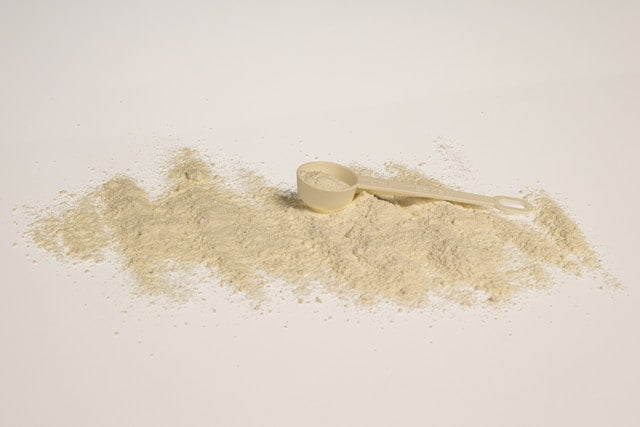
Whey protein - the gold standard of recovery
If you've ever stepped into a gym, you've likely heard of whey protein. This supplement is still the crème de la crème when it comes to muscle recovery in 2025. Derived from milk, whey protein is a complete protein, meaning it contains all nine essential amino acids that your body cannot produce on its own. These amino acids are crucial for muscle repair and growth, which makes whey protein a staple in any fitness enthusiast's post-workout routine. The reason whey protein shines in the recovery spotlight is its fast absorption rate. After a grueling workout, your muscles are essentially crying out for nutrients, and whey protein delivers them rapidly. Plus, it's packed with branched-chain amino acids (BCAAs), which are known to reduce muscle soreness and speed up recovery time. A shake or smoothie containing whey protein can be the difference between feeling like a superhero and feeling like you've been run over by a truck the next day.
Creatine - the power player for strength and recovery
Creatine often finds its way into conversations about pre-workout supplements, but its benefits extend well beyond just boosting your lifting power. This supplement is also a key player in the recovery game in 2025. Creatine works by replenishing the energy stored in your muscles, which helps you recover faster between workouts and reduces muscle fatigue. When you supplement with creatine, you're essentially providing your muscles with a high-octane fuel that helps them recover and rebuild. It can also help maintain muscle mass during periods of intense training or caloric restriction. Think of it as your muscles’ personal pit crew, ready to get you back on track with minimal downtime.Omega-3 fatty acids - the anti-inflammatory heroes
Omega-3 fatty acids might not be the first supplement that comes to mind when you think of recovery, but they play a critical role in reducing inflammation and aiding muscle repair. Found in fish oil and certain plant oils, omega-3s have been shown to help decrease the soreness and stiffness that often follow a tough workout. The key here is that omega-3s help balance the inflammatory processes in your body. While inflammation is a natural part of the healing process, excessive inflammation can lead to longer recovery times and decreased performance. By incorporating omega-3s into your supplement regimen, you’re essentially helping your body manage inflammation better, which can lead to quicker recoveries and improved overall health.
Branched-chain amino acids (BCAAs) - the recovery catalyst
Branched-chain amino acids - comprising leucine, isoleucine, and valine - are like the unsung heroes of muscle recovery. They are essential amino acids that play a crucial role in muscle protein synthesis, which is the process by which your body builds new muscle. Supplementing with BCAAs can help decrease muscle soreness and reduce exercise-induced muscle damage. The benefit of BCAAs is that they can be taken during or after a workout to help minimize muscle breakdown and speed up recovery. They work by promoting the repair of muscle fibers and reducing the amount of protein breakdown in your muscles. For those who push their limits regularly, BCAAs can be the secret weapon in 2025 to not only recovering faster but also maintaining muscle mass.Glutamine - the immune system’s best friend
Glutamine is another supplement that often gets overshadowed by its more popular counterparts, but it’s essential for a speedy recovery. As the most abundant amino acid in your muscles, glutamine plays a pivotal role in protein synthesis and muscle repair. It also helps in maintaining the health of your immune system, which can be compromised after intense physical activity. After a strenuous workout, your body’s glutamine levels can drop significantly, which may lead to decreased muscle repair and increased risk of illness. Supplementing with glutamine helps to replenish these levels and supports your body’s recovery processes. It’s particularly beneficial for those who engage in high-intensity or prolonged exercise, as it aids in reducing muscle soreness and fatigue.Recovery is the new training - the takeaway
In the hustle and bustle of the fitness world, recovery often takes a backseat to training and performance. However, it's crucial to remember that the road to improvement is paved with proper recovery. By incorporating the right supplements into your post-workout routine in 2025, you give your body the tools it needs to repair, rebuild, and come back stronger. Whey protein, creatine, omega-3 fatty acids, BCAAs, and glutamine each bring their unique benefits to the table. They work together to ensure that your muscles are nourished, your inflammation is managed, and your recovery is accelerated. Just as you wouldn’t skimp on the quality of your workout gear, don’t overlook the importance of quality recovery supplements. After all, recovery isn’t just about bouncing back; it’s about bouncing forward, ready for your next challenge. So, next time you lace up your sneakers and head to the gym, remember that the path to greatness doesn’t end with the final rep. It continues with the choices you make in recovery. Embrace these supplements and let them help you turn those hard-fought battles into victories. After all, in the grand game of fitness, it’s not just about how you play - it’s also about how you recover. Want to explore the best supplements for health and athletic performance? Check out our insightful blog article!What are the primary benefits of whey protein for muscle recovery?
Whey protein is highly valued for its fast absorption rate and content of all nine essential amino acids necessary for muscle repair and growth. It also contains branched-chain amino acids (BCAAs) that reduce muscle soreness and accelerate recovery time.
How does creatine enhance recovery after workouts?
Creatine helps replenish the energy stores in muscles, facilitating faster recovery between workouts and reducing muscle fatigue. It supports muscle repair, rebuilds, and maintains muscle mass during intensive training or caloric restriction.
Why are omega-3 fatty acids important for recovery?
Omega-3 fatty acids play a crucial role in reducing inflammation and aiding muscle repair. By managing inflammation effectively, omega-3s can decrease recovery time and enhance overall performance, making them essential for comprehensive recovery strategies.
What role do branched-chain amino acids (BCAAs) play in muscle recovery?
BCAAs, specifically leucine, isoleucine, and valine, are essential for muscle protein synthesis. They help reduce muscle soreness, minimize exercise-induced muscle damage, and speed up recovery by promoting muscle fiber repair and decreasing protein breakdown.
Read more
Imagine you’re embarking on a new adventure - maybe a thrilling hike through the mountains or a day spent exploring a bustling city. As you prepare, you might reach for a bottle of water or a handy...

In today's fast-paced world, finding a way to keep our bodies and minds in harmony is more important than ever. An increasing number of people are on the lookout for tools to help balance their liv...