







What is Lean Muscle? A Simple Guide for Beginners
If you've spent any time researching fitness and muscle building, you've undoubtedly encountered the term "lean muscle" countless times. Fitness influencers promise to help you "build lean muscle," supplement companies market products for "lean gains," and gym-goers constantly discuss their quest for "lean muscle mass." But what exactly is lean muscle, and why does this distinction matter for your training goals? Read on to find out!
Here's the straightforward truth: lean muscle is simply muscle. All skeletal muscle tissue in your body is lean by definition - there's no such thing as "fatty muscle" or "bulk muscle" that exists as a separate entity. When people talk about building lean muscle, they're actually referring to increasing muscle mass while maintaining relatively low body fat levels, creating the toned, defined appearance that most people associate with fitness.
Why Lean Muscle Matters
Muscle tissue serves as far more than just a cosmetic feature - it's a metabolically active organ that influences virtually every aspect of your health and performance. Understanding these benefits helps beginners appreciate why building muscle should be a priority, regardless of their specific aesthetic goals.
Metabolic Engine: Your 24/7 Calorie Burner
One of the most compelling reasons to build muscle is its impact on your metabolic rate. While the often-quoted figure of "50-100 calories per pound of muscle" is an exaggeration, each pound of muscle burns approximately 6-10 calories per day at rest. More importantly, muscle tissue increases your total daily energy expenditure in ways that extend far beyond resting metabolism.
When you gain muscle mass, your calorie burn increases through multiple mechanisms: higher basal metabolic rate from the muscle tissue itself, increased energy demands from carrying additional body weight during daily activities, and enhanced capacity for intense training that burns extra calories through EPOC (excess post-exercise oxygen consumption).
Strength and Functionality
While aesthetic improvements often motivate beginners to start training, the functional benefits of increased muscle mass quickly become apparent in daily life. Muscle tissue generates force, stabilizes joints, and enables movement, functions that become increasingly important as we age.
The strength benefits extend into every aspect of daily living: carrying groceries becomes effortless, climbing stairs no longer leaves you winded, and activities like moving furniture or playing with children become enjoyable rather than exhausting. Individuals with higher muscle mass have significantly lower injury rates during both athletic activities and activities of daily living.
For beginners, these functional improvements often provide more immediate satisfaction than aesthetic changes, which can take months to become visually apparent. The confidence that comes from feeling physically capable translates into improved quality of life that extends far beyond the gym.
Aesthetic Appearance: The Toned Look You Want
When most beginners think about building muscle, they're actually thinking about achieving a specific look: defined, toned muscles visible beneath relatively low levels of body fat. This appearance results from having adequate muscle mass combined with low enough body fat to showcase muscle definition.
The "toned" look requires two components: sufficient muscle tissue to create shape and definition, and low enough body fat levels to make that muscle visible. You can't tone existing muscle - you can only build muscle and/or reduce the fat covering it. Understanding this concept helps beginners avoid common mistakes like excessive cardio at the expense of resistance training, or extreme caloric restriction that leads to muscle loss rather than the defined look they're seeking.
How to Build Lean Muscle: The Core Pillars
Building muscle effectively requires attention to three fundamental principles that work synergistically to promote muscle growth. For beginners, mastering these basics provides a foundation for years of continued progress.
Progressive Overload
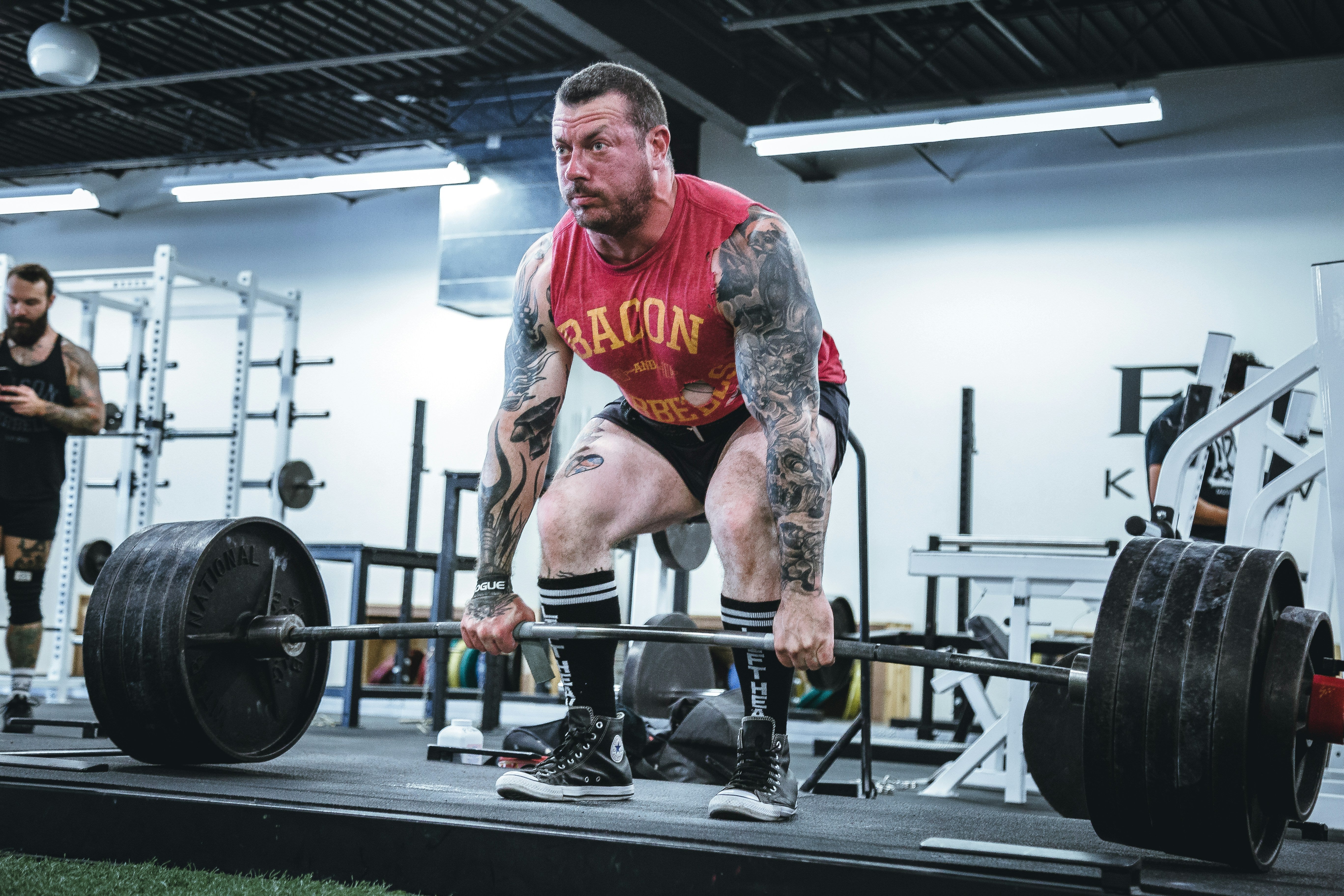
Progressive overload is the fundamental stimulus that forces your muscles to adapt and grow stronger. Simply put, you must consistently challenge your muscles with increasing demands over time to promote continued adaptation.
Progressive overload can be achieved through multiple variables: increasing weight, adding repetitions, improving range of motion, or enhancing movement quality. For beginners, the most straightforward approach is to gradually increase the weight you lift while maintaining proper form. Our what is progressive overload blog post explains this concept in detail and provides practical strategies for implementation.
Proper Nutrition
Muscle building is fundamentally an energy-expensive process that requires adequate calories and protein to support muscle protein synthesis. Many beginners under-eat in an attempt to simultaneously build muscle and lose fat, severely limiting their progress in both goals.
The most practical approach is focusing on whole foods with adequate protein at each meal, rather than obsessing over precise timing or exotic supplements. Establishing consistent eating habits that support your training will yield far better results than perfect meal timing with inadequate total nutrition.
Read more about recommended nutrient intake.
Consistency and Rest
Perhaps the most challenging aspect of muscle building for beginners is accepting that muscle growth occurs during recovery, not during training. Your workouts provide the stimulus for adaptation, but the actual process of building new muscle tissue happens when you're sleeping, eating, and recovering between sessions. Read more about the importance of rest days.
Role of Supplements in Building Lean Muscle
While proper training and nutrition form the foundation of muscle building, certain supplements can enhance your results when used appropriately. For beginners, it's crucial to understand that supplements enhance an already solid program - they don't replace consistent training and proper nutrition.
The most evidence-based supplements for muscle building include: creatine monohydrate for improved training capacity and muscle fullness, whey protein powder for convenient post-workout nutrition, and basic vitamins and minerals to support recovery and adaptation.
Best supplements for muscle growth provides comprehensive information about which supplements have the strongest scientific support for muscle-building goals.
Summary
For beginners, the path to building lean muscle doesn't require complex programming or exotic supplements. Focus on mastering the fundamentals: progressive overload through compound movements, adequate nutrition with emphasis on protein intake, and consistent recovery practices.
Start with a simple, proven program that emphasizes basic movement patterns performed 3-4 times per week. Track your workouts to ensure progressive overload, eat adequate calories and protein to support muscle growth, and prioritize sleep and recovery as essential components of your program.
Remember that building muscle is a long-term process that rewards consistency and patience over intensity and complexity. Every workout brings you closer to your goals, and every pound of muscle you build provides compounding benefits for your health, performance, and appearance. The journey of building lean muscle starts with your next workout - make it count.
Sources
Argilés, Josep M., et al. “Skeletal Muscle Regulates Metabolism via Interorgan Crosstalk: Roles in Health and Disease.” PubMed, 1 September 2016, https://pubmed.ncbi.nlm.nih.gov/27324808/.
Garde, Kevin. “Does having muscles REALLY ‘torch’ body fat?” BodyScan, https://bodyscanuk.com/blog/does-having-muscles-really-torch-body-fat.
Restivo, Jenette, and Howard E. LeWine. “Can you increase your metabolism?” Harvard Health, 1 July 2024, https://www.health.harvard.edu/nutrition/can-you-increase-your-metabolism.
What does “lean muscle” really mean?
“Lean muscle” simply refers to muscle tissue without excess body fat. All muscle is inherently lean — the term usually describes building muscle mass while keeping body fat levels low, resulting in a toned, defined look.
How can I build lean muscle effectively?
Focus on three key pillars: progressive overload, proper nutrition, and adequate rest. Gradually increase training intensity, eat enough protein and calories to support growth, and allow your body time to recover. Consistency in these areas is more important than advanced programs or supplements.
Do I need supplements to build lean muscle?
Supplements can support your progress but aren’t essential. Beginners should first master training and nutrition. Evidence-based supplements like creatine, whey protein, and multivitamins can enhance recovery and performance, but they should complement—not replace—a solid routine.
How long does it take to see visible results from muscle building?
Most beginners notice strength improvements within a few weeks, but visible muscle definition usually takes several months of consistent effort. Building lean muscle is a gradual process—patience, progressive training, and proper recovery are key to lasting results.
Read more

Taking time off from the gym might feel like betraying your gains, but strategic deload weeks are one of the most powerful tools in an advanced lifter's arsenal. In an industry obsessed with the "n...

The fountain of youth might not exist, but we've discovered something remarkably close: skeletal muscle mass. While most people view muscle building through the lens of aesthetics or athletic perfo...