









Why Muscle Mass Is Crucial for Longevity and Healthy Aging
The fountain of youth might not exist, but we've discovered something remarkably close: skeletal muscle mass. While most people view muscle building through the lens of aesthetics or athletic performance, the truth is that muscle tissue functions as one of the most powerful predictors of longevity, health span, and quality of life as we age. This isn't about vanity or gym culture - it's about investing in your future self's independence, vitality, and survival.
Unlike many health interventions that provide modest benefits, building and maintaining muscle mass offers profound protection against the most significant threats to healthy aging: sarcopenia, metabolic dysfunction, bone loss, and frailty. Understanding muscle as a longevity organ - rather than just a performance or aesthetic feature - fundamentally changes how we approach training, nutrition, and lifestyle choices throughout our lives.
The Fight Against Sarcopenia
Sarcopenia, the progressive loss of muscle mass and strength with aging, represents one of the most predictable yet preventable aspects of aging. The statistics are sobering: after age 30, muscle mass decreases at an annual rate of 3-8% per decade, with this rate accelerating dramatically after age 60. By age 80, between 11-50% of adults meet the clinical definition of sarcopenia, depending on the diagnostic criteria used.
The progression follows a predictable pattern: muscle mass begins declining in your 30s, but strength deteriorates even faster - declining 1.5% per year between ages 50-60, then accelerating to 3% per year thereafter. This disparity between mass and strength loss reflects changes in muscle quality, including increased fat infiltration, reduced contractile protein content, and impaired neural drive to the muscles.
What makes sarcopenia particularly insidious is its cascading effects on overall health. Sarcopenic individuals experience significantly higher rates of falls, fractures, hospitalization, and mortality compared to age-matched controls with preserved muscle mass. The condition also strongly predicts loss of independence, with affected individuals requiring assisted living or nursing home care at much higher rates.
Muscle as a Glucose Sink
Your skeletal muscles function as your body's primary glucose disposal unit, responsible for up to 80% of insulin-mediated glucose uptake following meals. This makes muscle mass one of the most powerful determinants of metabolic health and your long-term risk of developing type 2 diabetes.
The relationship between muscle and glucose metabolism operates through several mechanisms: larger muscles provide greater storage capacity for glucose as glycogen, increased muscle mass enhances insulin sensitivity independent of body weight, and muscle contractions during exercise create insulin-independent glucose uptake pathways.
Individuals with higher relative muscle mass have significantly better insulin sensitivity and lower diabetes risk across the entire spectrum of muscle mass, not just at the extremes. A study following over 13,000 adults found that for every 10% increase in skeletal muscle index, diabetes risk decreased by 12% in men and 19% in women, even after controlling for age, ethnicity, and body fat.
The implications are profound: every pound of muscle you build today enhances your glucose regulatory capacity for decades to come. This metabolic insurance policy becomes increasingly valuable as you age and face natural declines in insulin sensitivity.
Strong Muscles, Strong Bones
The relationship between muscle and bone health represents one of the most important but underappreciated aspects of musculoskeletal aging. Muscle contractions provide the primary mechanical stimulus for bone formation, making muscle mass a critical determinant of bone density throughout life.
This muscle-bone connection operates through multiple pathways: mechanical loading during muscle contractions stimulates osteoblast activity and bone formation, muscle-derived growth factors and cytokines promote bone metabolism, and shared hormonal influences affect both tissues simultaneously. The result is that muscle mass and bone density track closely together across the lifespan.
People with higher muscle mass have significantly greater bone mineral density and lower fracture risk, even after controlling for age, sex, and body weight. This relationship becomes particularly important for postmenopausal women, who face accelerated bone loss due to declining estrogen levels. Maintaining muscle mass through resistance training provides crucial protection against osteoporosis and fracture risk.
Your Protein Reservoir in Times of Stress
Skeletal muscle serves as your body's amino acid bank account, storing protein that can be mobilized during periods of illness, injury, or metabolic stress. This function becomes increasingly important as we age and face higher risks of hospitalization, surgery, and chronic illness.
For healthy aging, this means that the muscle you build during younger years serves as insurance against future health challenges. Each pound of muscle represents stored amino acids that your body can access when dietary intake is compromised or metabolic demands increase.
Actionable Steps to Build and Maintain Muscle for Life
Understanding the importance of muscle for longevity is only valuable if translated into action. The good news is that muscle tissue responds to training stimuli throughout the lifespan, with even very elderly individuals capable of significant strength and mass gains when properly trained.
Resistance Training
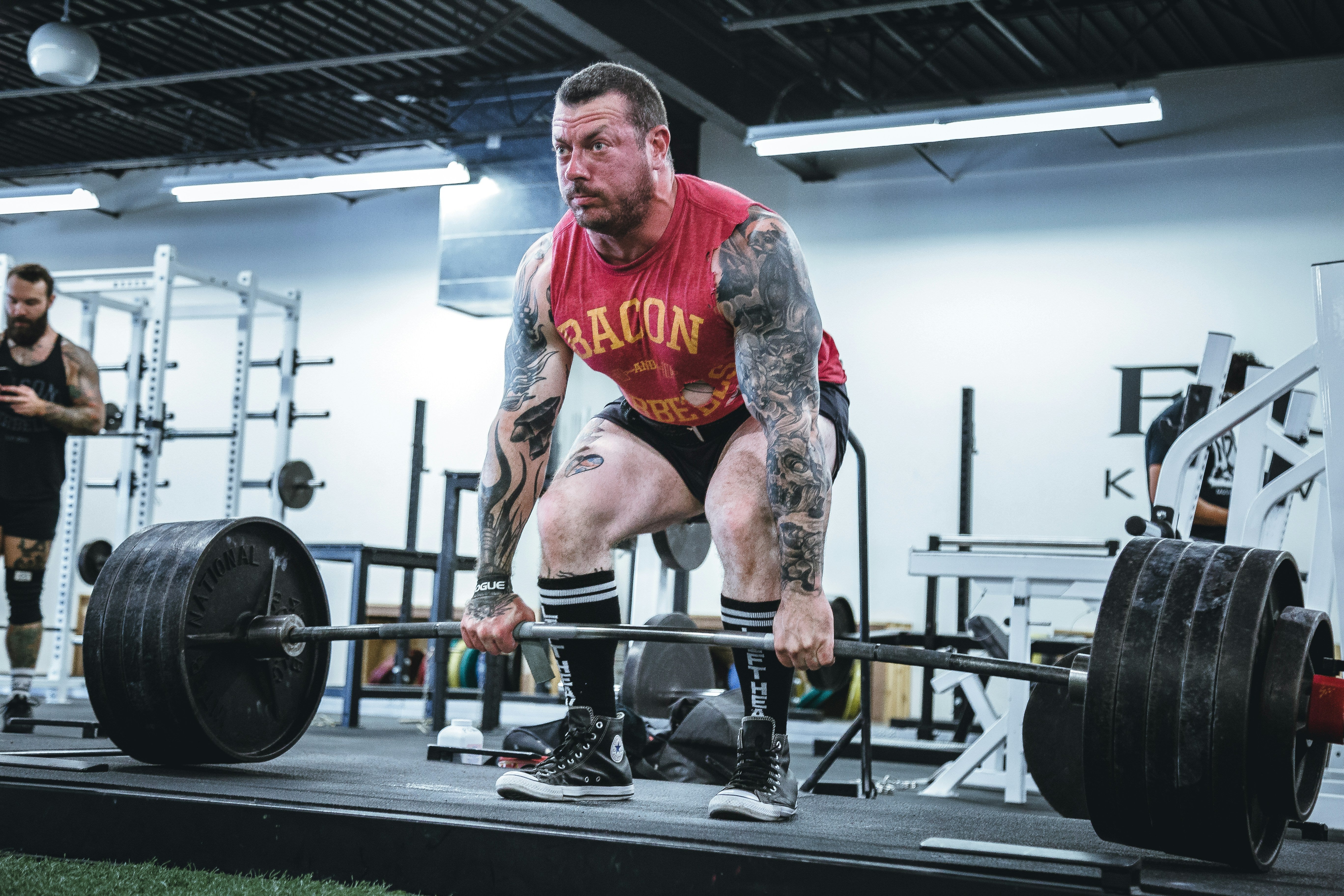
Progressive resistance training represents the single most effective intervention for building and maintaining muscle mass across all age groups. Effective resistance training for longevity emphasizes: compound movements that train multiple muscle groups simultaneously (squats, deadlifts, presses, rows), progressive overload through gradually increasing weight, volume, or intensity, and consistency over perfection - regular training beats perfect programming.
Why muscle density matters provides detailed guidance on building functional muscle tissue that supports long-term health.
Protein: The Building Block of Longevity
Adequate protein intake becomes increasingly important with age as protein synthesis efficiency declines and requirements increase. Effective protein strategies for muscle maintenance include: distributing protein intake across multiple meals rather than concentrating it in one large serving, emphasizing high-quality complete proteins that contain all essential amino acids, and timing protein intake around resistance training sessions to maximize muscle protein synthesis.
Hormonal Support for Aging Athletes
Age-related declines in anabolic hormones significantly impact muscle-building capacity, but several interventions can help maintain hormonal balance naturally. Natural approaches to hormone optimization include: maintaining healthy body weight and composition, ensuring adequate sleep (7-9 hours per night), managing stress through appropriate recovery and lifestyle practices, and consuming adequate dietary fat to support hormone production. The Testosterone Boosters category features research-backed ingredients that may support healthy hormone levels as part of a comprehensive approach.
Summary
Building and maintaining muscle mass represents one of the highest-return investments you can make in your long-term health and quality of life. Unlike many health interventions that provide modest benefits, the muscle you build today directly impacts your independence, disease risk, and longevity decades from now.
The choice is clear: you can allow the natural decline of aging to gradually erode your strength and vitality, or you can proactively build the muscle reserves that will sustain you through whatever challenges aging brings. Every workout is a deposit in your longevity account, every protein-rich meal supports your future independence, and every progressive training session builds the foundation for healthy aging.
Sources
Huang, Shuaishuai, et al. “Prevalence and influencing factors of sarcopenia among older adults in rural coastal areas of Ningbo City.” Nature, 19 February 2025, https://www.nature.com/articles/s41598-025-90017-z.
Josep M Argilés, Josep M., et al. “Skeletal Muscle Regulates Metabolism via Interorgan Crosstalk: Roles in Health and Disease.” PubMed, 1 September 2016, https://pubmed.ncbi.nlm.nih.gov/27324808/.
Lees, Matthew J., et al. “Skeletal Muscle A Critical Organ for Survival and Recovery in Critical Illness.” Nutrition in Critical Care – Where are we now?, vol. 41, no. 2, 2025, pp. 299-312, https://www.criticalcare.theclinics.com/article/S0749-0704(24)00084-8/abstract.
Santilli, Valter, et al. “Clinical definition of sarcopenia.” Clinical Cases in Mineral and Bone Metabolism, vol. 3, 2014, pp. 177-180. National Library of Medicine, https://pmc.ncbi.nlm.nih.gov/articles/PMC4269139/.
“Sarcopenia (Muscle Loss): Symptoms & Causes.” Cleveland Clinic, https://my.clevelandclinic.org/health/diseases/23167-sarcopenia.
Srikanthan, Preethi, and Arun S. Karlamangla. “Relative Muscle Mass Is Inversely Associated with Insulin Resistance and Prediabetes. Findings from The Third National Health and Nutrition Examination Survey.” The Journal of Clinical Endocrinology & Metabolism, vol. 96, no. 9, 2011, pp. 2898-2903, https://academic.oup.com/jcem/article-abstract/96/9/2898/2834715?redirectedFrom=fulltext.
Volpi, Elena, et al. “Muscle tissue changes with aging - PMC.” PubMed Central, 7 July 2004, https://pmc.ncbi.nlm.nih.gov/articles/PMC2804956/.
How does building muscle contribute to longevity?
Muscle mass is one of the strongest predictors of long-term health and independence. It protects against sarcopenia (age-related muscle loss), supports metabolic function, strengthens bones, and helps your body recover during illness or stress — making it a powerful “anti-aging” investment.
Why is muscle mass important for metabolic and bone health?
Muscle tissue helps regulate blood sugar by absorbing glucose and improving insulin sensitivity, significantly lowering the risk of type 2 diabetes. It also strengthens bones through mechanical loading during training, helping to prevent osteoporosis and fractures as you age.
What is sarcopenia and how can it be prevented?
Sarcopenia is the gradual loss of muscle mass and strength that begins as early as your 30s. It leads to frailty, falls, and reduced mobility. The best prevention is regular resistance training, sufficient protein intake, and active recovery — all of which stimulate muscle maintenance and growth throughout life.
Can older adults still build muscle effectively?
Yes — it’s never too late to start. Research shows that even people in their 70s and 80s can gain muscle and strength through progressive resistance training, adequate protein, and recovery. Consistency is more important than intensity; regular movement builds resilience and preserves independence.
Read more

If you've spent any time researching fitness and muscle building, you've undoubtedly encountered the term "lean muscle" countless times. Fitness influencers promise to help you "build lean muscle,"...

Key Points Lasting change in fitness requires a strategic approach rather than relying solely on motivation or willpower. The article outlines five principles for achieving fitness goals: ...